
What is digestive health? Your essential 2026 guide
Many people believe digestive health simply means avoiding stomach aches, but this view misses the bigger picture. Your digestive system is a sophisticated network extending from mouth to bowel, orchestrating nutrient absorption, waste elimination, and immune function. When this system operates smoothly, you gain energy, maintain healthy weight, and support overall wellbeing. This guide cuts through popular myths to deliver evidence-based insights on what digestive health truly means, how your body processes food, and which natural approaches genuinely support optimal digestion for UK readers seeking practical, science-backed solutions.
Table of Contents
- What Is Digestive Health? Understanding The Digestive System And Its Function
- Key Factors For Maintaining Digestive Health: Diet, Hydration, And Lifestyle
- Natural Supplements And Evidence-Based Options For Digestive Support And Detoxification
- When Digestive Health Is Compromised: Common Disorders And Tailored Approaches
- Supporting Your Digestive Health With Natural Supplements From Oxyhealth
- FAQ
Key takeaways
| Point | Details |
|---|---|
| Digestive health definition | Efficient nutrient absorption without distressing symptoms like bloating, constipation, or heartburn |
| System components | GI tract plus accessory organs work together using mechanical and chemical processes to break down food |
| Evidence-based support | NHS recommends 30g daily fibre, adequate hydration, probiotics, and stress management for optimal digestion |
| Natural supplements | Psyllium husk, inulin, and probiotics show clinical benefits, whilst many detox claims lack robust scientific support |
| Personalised approaches | Individual conditions like IBS or diabetic gastroenteropathy require tailored dietary and supplement strategies |
What is digestive health? Understanding the digestive system and its function
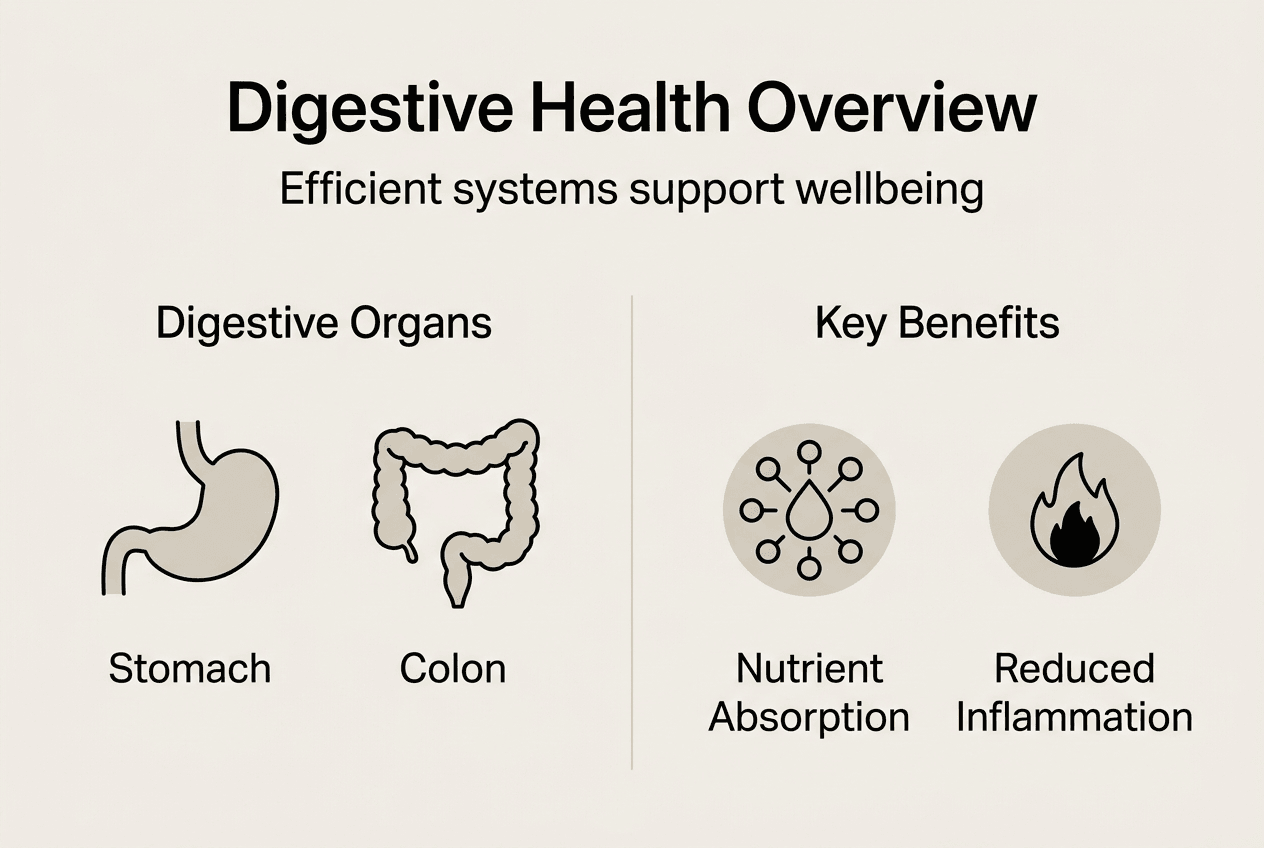
Digestive health refers to the efficient functioning of the digestive system, enabling nutrient absorption without symptoms like diarrhoea, constipation, heartburn, bloating or indigestion. This straightforward definition captures what matters most: your body extracts nutrients from food and eliminates waste without causing discomfort or disruption to daily life. Yet achieving this state requires understanding the remarkable machinery behind it.
The digestive system comprises the GI tract running from mouth to anus, alongside accessory organs including the liver, pancreas, and gallbladder. Each component plays a specific role in transforming the foods you eat into usable energy and building blocks. The mouth begins mechanical breakdown through chewing whilst salivary enzymes start chemical digestion. Your oesophagus transports food to the stomach, where powerful acids and enzymes continue the process.
The small intestine handles most nutrient absorption, working with pancreatic enzymes and bile from the gallbladder to break down fats, proteins, and carbohydrates. Your large intestine absorbs water and forms waste for elimination. Throughout this journey, muscular contractions called peristalsis propel food forward, whilst specialised cells secrete digestive juices at precisely timed intervals.
This intricate choreography converts macronutrients into absorbable forms:
- Carbohydrates break down into simple sugars like glucose
- Proteins split into individual amino acids
- Fats separate into fatty acids and glycerol
- Vitamins and minerals release from food matrices
When your digestive system functions optimally, these nutrients enter your bloodstream to fuel cellular processes, support tissue repair, and maintain energy levels. Understanding how detox diets impact this natural process helps you distinguish genuine health support from marketing hype. A smoothly operating digestive system forms the foundation for physical vitality, mental clarity, and long-term wellness.
Key factors for maintaining digestive health: diet, hydration, and lifestyle
Maintaining digestive health requires consistent attention to evidence-based lifestyle factors. UK NHS recommends a high-fibre diet providing 30g daily from wholegrains, fruits, vegetables, adequate fluids, reduced fat and spicy foods, plus probiotics for good digestion and IBS management. These recommendations emerge from decades of clinical research showing how specific dietary patterns support optimal gut function.

Fibre deserves special attention because most UK adults consume far less than the recommended amount. Soluble fibre from oats, beans, and fruits forms a gel in your digestive tract, slowing nutrient absorption and feeding beneficial gut bacteria. Insoluble fibre from wholegrains and vegetables adds bulk to stools, promoting regular bowel movements. Diverse fibre sources provide the widest range of benefits, supporting both transit time and microbiome health.
Hydration works hand in hand with fibre intake. Water helps dissolve nutrients, supports enzyme function, and softens stool to prevent constipation. Aim for six to eight glasses daily, increasing intake when you boost fibre consumption. Adequate fluids maintain the mucus lining protecting your digestive tract whilst enabling smooth peristaltic contractions.
Certain foods and drinks can irritate your digestive system:
- Caffeine stimulates acid production and speeds transit time
- Fizzy drinks introduce gas and may trigger bloating
- High-fat meals slow digestion and strain the gallbladder
- Spicy foods can inflame sensitive gut linings
- Alcohol disrupts gut bacteria balance and damages intestinal cells
Probiotics offer targeted support for digestive wellness. Live yogurt, kefir, sauerkraut, and other fermented foods introduce beneficial bacteria that compete with harmful microbes, produce vitamins, and modulate immune responses. Research shows particular benefit for IBS symptoms, though individual responses vary based on specific bacterial strains and baseline gut health.
Lifestyle factors extend beyond diet. Chronic stress triggers the fight-or-flight response, diverting blood flow from digestive organs and altering gut motility. Regular physical activity stimulates intestinal contractions and reduces constipation risk. Smoking damages the entire digestive tract, increasing ulcer and cancer risk whilst weakening the valve between stomach and oesophagus.
Pro Tip: When increasing fibre intake, add five grams weekly rather than jumping to 30g immediately. This gradual approach lets your gut bacteria adapt, minimising bloating and gas whilst you work towards optimal intake. Pair each fibre increase with an extra glass of water to maximise benefits and maintain comfort.
Exploring safe detox tips helps you implement these evidence-based strategies without falling for extreme approaches that may harm rather than help your digestive system.
Natural supplements and evidence-based options for digestive support and detoxification
Natural supplements offer scientifically validated support for digestive health when lifestyle measures need reinforcement. Psyllium husk improves bowel regularity, cholesterol, and glycemic control via gel formation, bile acid binding, and microbiome modulation, with benefits supported by randomised controlled trials and meta-analyses. This soluble fibre swells in your digestive tract, creating a viscous gel that slows glucose absorption, binds cholesterol for excretion, and provides substrate for beneficial bacteria to produce short-chain fatty acids.
These short-chain fatty acids, particularly butyrate, nourish colonocytes, reduce inflammation, and strengthen the intestinal barrier. Psyllium’s prebiotic effects shift gut microbiome composition towards health-promoting species whilst crowding out potential pathogens. Clinical trials demonstrate improvements in stool consistency, frequency, and ease of passage, making psyllium particularly valuable for constipation management.
Inulin, extracted from chicory root and other plants, functions similarly as a prebiotic fibre. It resists digestion in the small intestine, reaching the colon intact where bacteria ferment it into beneficial compounds. Studies show inulin increases stool frequency, improves calcium absorption, and may support weight management by enhancing satiety signals.
Evidence-based options for constipation include fibre supplements, kiwifruit, prunes, rye bread, probiotics, synbiotics, and magnesium oxide validated by multiple RCTs and GRADE guidelines. This comprehensive evidence base helps you select interventions with genuine clinical support rather than relying on testimonials or marketing claims.
| Supplement/Food | Mechanism | Evidence Level | Typical Benefit |
|---|---|---|---|
| Psyllium husk | Gel formation, SCFA production | Multiple RCTs, meta-analyses | Improved regularity, cholesterol reduction |
| Inulin | Prebiotic fermentation | RCTs | Increased stool frequency, calcium absorption |
| Prunes | Sorbitol, fibre, phenolic compounds | Clinical trials | Natural laxative effect, bone health |
| Probiotics | Microbiome modulation | Strain-specific RCTs | IBS symptom relief, immune support |
| Magnesium oxide | Osmotic effect | GRADE guidelines | Stool softening, regularity |
| Kiwifruit | Actinidin enzyme, fibre | Clinical trials | Improved transit time, regularity |
Contrasting this robust evidence, detox claims remain popular but limited versus lifestyle and diet basics, with DTC microbiome tests unreliable due to variability. Many detox products promise to eliminate toxins or reset your digestive system, yet your liver and kidneys already perform these functions efficiently. Extreme cleanses may actually disrupt beneficial gut bacteria whilst providing no measurable health improvements.
The supplement market offers genuine value when products target specific, evidence-based mechanisms. Understanding detox supplement types helps you identify which ingredients have clinical backing versus those relying purely on marketing narratives. Similarly, learning about probiotics in detox clarifies how these beneficial bacteria support natural detoxification pathways without requiring extreme protocols.
Pro Tip: Before starting any supplement, verify its clinical evidence by checking peer-reviewed studies rather than manufacturer websites. Look for randomised controlled trials published in reputable journals, noting the specific dosages and durations used in research. This approach ensures you invest in supplements with genuine efficacy rather than expensive placebos.
Resources like psyllium health benefits and constipation treatment guidelines provide deeper scientific context for making informed supplement choices aligned with your digestive health goals.
When digestive health is compromised: common disorders and tailored approaches
Digestive disorders affect millions of UK residents, requiring personalised management strategies beyond general wellness advice. Edge cases include diabetic gastroenteropathy involving dysmotility, functional dyspepsia from microbiota imbalance, and IBS involving motility and sensory disturbances. Each condition presents distinct challenges demanding targeted interventions rather than one-size-fits-all solutions.
Diabetic gastroenteropathy develops when prolonged high blood glucose damages nerves controlling digestive muscle contractions. This autonomic neuropathy slows stomach emptying, causing nausea, bloating, and unpredictable blood sugar swings. Management focuses on blood glucose optimisation, smaller frequent meals, and medications that stimulate gastric motility when lifestyle measures prove insufficient.
Functional dyspepsia describes persistent upper abdominal discomfort without structural abnormalities. Emerging research links this condition to gut microbiome alterations, low-grade inflammation, and heightened visceral sensitivity. Patients often benefit from eliminating trigger foods, managing stress, and potentially using probiotics to rebalance gut flora, though individual responses vary considerably.
Irritable bowel syndrome encompasses multiple subtypes characterised by abdominal pain, altered bowel habits, and bloating. Some patients experience predominantly constipation, others diarrhoea, whilst many alternate between both. The underlying mechanisms involve abnormal gut motility, visceral hypersensitivity, immune activation, and microbiome dysbiosis.
| Disorder | Key Features | Affected Population | Primary Treatments |
|---|---|---|---|
| Diabetic gastroenteropathy | Delayed gastric emptying, nausea | People with long-standing diabetes | Blood glucose control, prokinetic medications, dietary modification |
| Functional dyspepsia | Upper abdominal pain, no structural cause | 10-15% of adults | Trigger food elimination, stress management, possible probiotics |
| IBS-C (constipation) | Abdominal pain, infrequent hard stools | 4-5% of UK adults | Soluble fibre, osmotic laxatives, gut-directed hypnotherapy |
| IBS-D (diarrhoea) | Abdominal pain, loose frequent stools | 3-4% of UK adults | Low FODMAP diet, antispasmodics, specific probiotics |
Tailoring approaches based on phenotype proves essential, with slow-transit constipation responding to fermentable fibre whilst diarrhoea may improve with low-FODMAP protocols. Supplements aid management but lifestyle foundations remain critical per NHS guidance. This phenotype-specific approach acknowledges that interventions helping one person may worsen symptoms in another.
For constipation-predominant conditions, increasing fermentable fibres like psyllium, inulin, and resistant starch feeds beneficial bacteria producing stool-softening short-chain fatty acids. Conversely, diarrhoea-predominant patients often improve by temporarily reducing fermentable oligosaccharides, disaccharides, monosaccharides, and polyols (FODMAPs) that draw water into the intestine and undergo rapid bacterial fermentation.
Stress management deserves emphasis across all digestive disorders. The gut-brain axis creates bidirectional communication where psychological stress alters gut motility, secretion, and immune function, whilst gut disturbances influence mood and cognition. Techniques like cognitive behavioural therapy, gut-directed hypnotherapy, and mindfulness meditation demonstrate clinical benefits for functional digestive disorders.
Hydration requirements may differ based on your specific condition. Diarrhoea increases fluid losses, demanding higher intake to prevent dehydration. Constipation improves with adequate water supporting fibre’s bulking effect. Smoking cessation benefits every digestive disorder by reducing inflammation, improving blood flow, and supporting healing.
Exploring plant-based supplements offers additional options for managing digestive challenges through natural compounds with lower side-effect profiles than pharmaceutical alternatives, though always consult healthcare providers before combining supplements with prescribed medications.
Supporting your digestive health with natural supplements from Oxyhealth
Your journey towards optimal digestive wellness deserves trusted, evidence-based support. Oxyhealth offers carefully curated natural digestive supplements aligned with the scientific principles discussed throughout this guide. Our range includes high-quality fibre supplements, probiotics, and digestive enzymes sourced from Global Healing, a respected provider of organic natural health products.
For those seeking comprehensive approaches, explore our health kits and cleanse programmes designed to support your body’s natural detoxification processes without extreme protocols. These thoughtfully assembled kits combine complementary products for convenient, effective digestive support. Our cleanse and detox products focus on gentle, science-backed ingredients that work with your body rather than against it.
With same-day UK dispatch for orders before 2 p.m., free delivery over £50, and a 365-day satisfaction guarantee, Oxyhealth makes it simple to access premium digestive health support backed by genuine quality assurance.
FAQ
What is the best fibre source for digestive health?
Wholegrains like oats and brown rice, fruits including prunes and apples, vegetables such as broccoli and carrots, plus supplemental psyllium husk provide excellent fibre for digestive wellness. UK NHS recommends 30g fibre daily from diverse whole food sources to support regular bowel movements and gut bacteria health. Gradually increasing intake prevents bloating whilst allowing your digestive system to adapt comfortably.
How do probiotics support digestive health?
Probiotics such as live yogurt promote a healthy microbiome, aid digestion and are recommended for IBS symptoms per NHS guidance. These beneficial bacteria compete with harmful microbes, produce vitamins like B12 and K, strengthen intestinal barriers, and modulate immune responses. Different strains offer varying benefits, so choosing probiotics backed by clinical research for your specific digestive concern yields better results than generic formulations.
Are detox supplements effective for improving digestion?
Detox supplements remain popular but evidence supporting their effectiveness is limited compared to balanced diet and lifestyle approaches, with microbiome tests lacking standardisation. Your liver and kidneys naturally eliminate toxins without requiring special cleanses. Focus instead on proven strategies like adequate fibre, hydration, probiotics, and stress management. Understanding detox supplements for digestion helps distinguish evidence-based options from marketing hype.
Can digestive health affect overall wellbeing?
Absolutely. Your digestive system produces neurotransmitters like serotonin affecting mood, absorbs nutrients essential for energy and immunity, and houses 70% of immune cells. Poor digestive health creates nutrient deficiencies, chronic inflammation, and disrupted gut-brain signalling that influence mental clarity, emotional stability, and physical vitality. Supporting optimal digestion through diet, lifestyle, and targeted supplements creates foundation for comprehensive wellness across all body systems.
How long does it take to improve digestive health naturally?
Timelines vary based on your starting point and consistency with evidence-based strategies. Simple changes like increasing water intake may improve constipation within days, whilst microbiome shifts from dietary modifications typically require four to six weeks. Chronic conditions like IBS often show gradual improvement over two to three months with sustained lifestyle changes. Patience and consistency matter more than quick fixes, as your digestive system needs time to heal, rebalance, and establish new healthy patterns.
Recommended
- Improve Gut Health Process Naturally: Step-by-Step Guide – Oxyhealth
- 7 Types of Detox Supplements for Better Digestive Health – Oxyhealth
- Gut Health Bundle - Digestive Support - Global Healing – Oxyhealth
- Why Use Cleansing Kits for Better Health – Oxyhealth
- Sustainable wellness habits guide for lasting health in 2026 – EQUA - Sustainable Water Bottles