Why use plant-based supplements for detox and wellness
Many health-conscious individuals believe their bodies need external detox products to function optimally, yet the British Dietetic Association states that detox is nonsense because the body naturally removes waste. This widespread misconception overlooks a crucial truth: whilst the body detoxifies independently through the liver, kidneys, and gut, strategic plant-based supplementation can meaningfully support these processes and enhance overall wellness. Understanding this distinction helps you make informed choices about supplements that genuinely benefit your health rather than falling for marketing myths.
Table of Contents
- Understanding Natural Detoxification And The Role Of Plant-Based Supplements
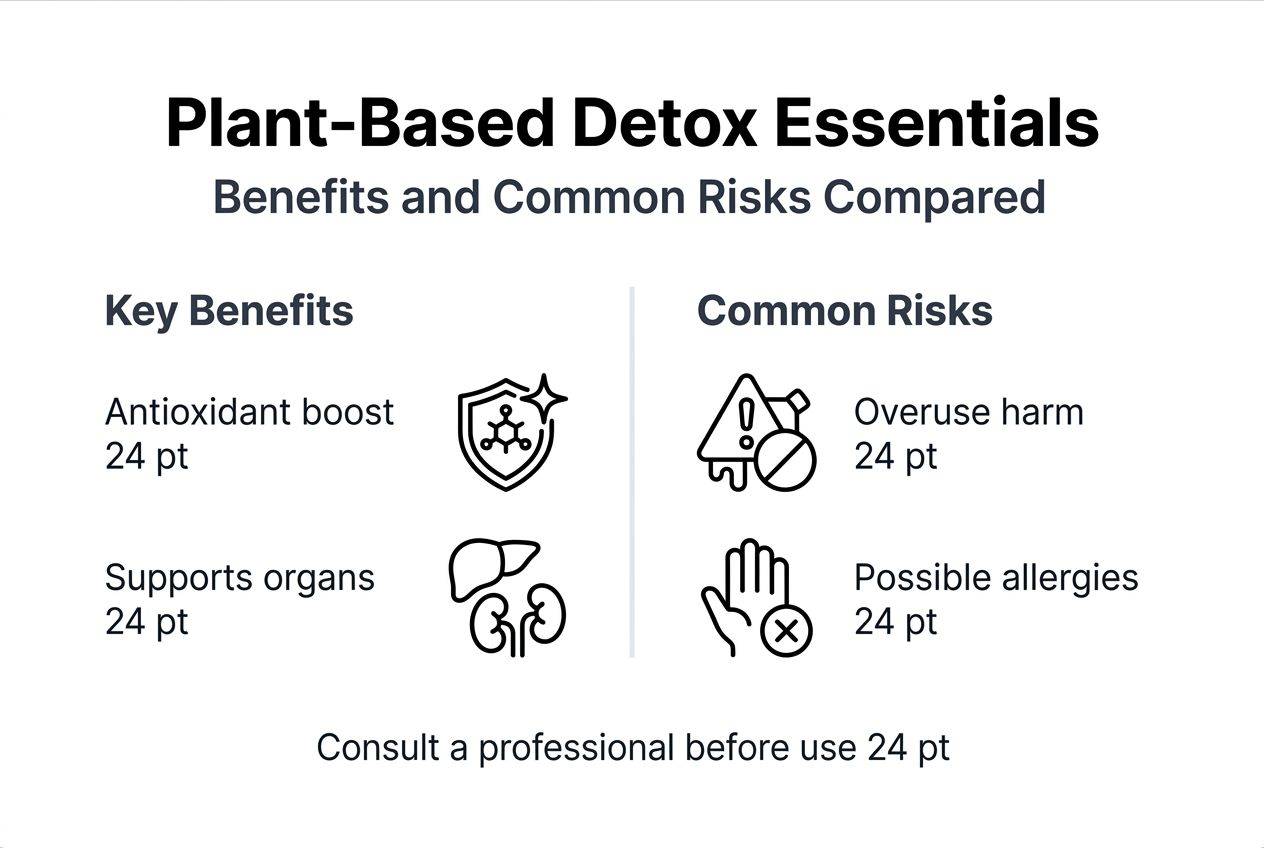
- Benefits And Risks Of Plant-Based Supplements For Detoxification
- How Plant-Based Supplements Support Overall Wellness Beyond Detox
- Choosing And Using Plant-Based Supplements Safely In 2026
- Explore Premium Plant-Based Supplements At Oxyhealth
- Frequently Asked Questions
Key takeaways
| Point | Details |
|---|---|
| Natural detoxification | Your body continuously removes toxins through liver, kidneys, gut, and skin without requiring special products. |
| Supplement support | Plant-based supplements provide antioxidants and nutrients that enhance organ function rather than replacing natural processes. |
| Safety considerations | Herbal supplements carry potential risks including liver injury and drug interactions, requiring cautious use and professional guidance. |
| Holistic benefits | Beyond detox support, plant supplements improve gut health, reduce inflammation, and enhance psychological wellbeing. |
| Quality matters | Regulatory oversight remains limited, making third-party testing and professional consultation essential for safe supplement selection. |
Understanding natural detoxification and the role of plant-based supplements
Your body operates as a sophisticated detoxification system without needing external intervention. The liver metabolises toxins, kidneys filter waste into urine, skin eliminates substances through sweat, and the digestive system expels waste naturally. These organs work continuously to maintain internal balance.
Detox myths proliferate online, claiming special teas, juices, or supplements are necessary for cleansing. The British Dietetic Association explicitly states that the entire detox concept is nonsense because the body possesses built-in detoxification abilities. Most commercial detox therapies lack scientific validation, with any perceived benefits typically arising from improved hydration and dietary choices rather than the products themselves.
Plant-based supplements occupy a different space from detox gimmicks. Rather than claiming to “cleanse” your body, quality supplements provide specific nutrients and antioxidants that support your organs’ natural functions. Think of them as performance enhancers for systems already working efficiently.
The most effective approach combines proper nutrition with strategic supplementation:
- Consuming diverse whole foods provides essential vitamins and minerals
- Regular physical activity enhances circulation and lymphatic drainage
- Adequate hydration supports kidney filtration
- Quality sleep allows cellular repair processes
- Targeted supplements fill nutritional gaps and provide concentrated beneficial compounds
Following a safe cleanse process focuses on supporting natural detoxification through lifestyle optimisation rather than relying solely on products. This evidence-based approach respects your body’s inherent wisdom whilst acknowledging that modern life sometimes creates nutritional deficiencies worth addressing.
Pro Tip: Rather than embarking on extreme detox programmes, focus on consistent healthy habits. Your liver and kidneys perform better with sustained nutritional support than with periodic “cleanses” that often stress these organs.
Benefits and risks of plant-based supplements for detoxification
Scientific research reveals genuine benefits when specific plant-based supplements support detoxification organs. Studies show plant-based nutraceuticals improve liver function in healthy individuals, with compounds like those in turmeric, dandelion, milk thistle, and ginger enhancing liver enzyme activity and supporting the organ’s metabolic processes.
The liver performs over 500 functions, with detoxification being just one role. Plant compounds provide antioxidants that protect liver cells from oxidative damage during toxin processing. These supplements don’t “detox” for you but rather shield your liver whilst it performs its natural work.

Kidney health similarly benefits from appropriate supplementation. Whole food-based supplements reduce oxidative stress and support kidney filtration capacity. Antioxidants help prevent damage to delicate kidney tissues that filter approximately 180 litres of blood daily.
However, significant risks accompany improper supplement use. Herbal supplements can overwhelm liver functions and cause organ damage in some cases. Popular supplements like turmeric extracts, when taken in excessive doses or poor-quality forms, have been linked to liver injury cases. The very organ you’re attempting to support can become damaged through misuse.
Key risk factors include:
- Taking doses exceeding recommended amounts
- Combining multiple supplements without professional guidance
- Using products with poor quality control or contamination
- Ignoring potential drug interactions with medications
- Assuming “natural” automatically means “safe”
| Supplement | Primary Benefit | Potential Risk |
|---|---|---|
| Milk Thistle | Liver cell protection | Rare allergic reactions |
| Turmeric | Anti-inflammatory support | Liver injury at high doses |
| Dandelion Root | Kidney filtration support | Diuretic effects, electrolyte imbalance |
| Ginger | Digestive enhancement | Blood thinning, medication interaction |
Regulatory oversight of herbal supplements remains limited compared to pharmaceutical medicines. Manufacturers aren’t required to prove efficacy before marketing products, and quality varies dramatically between brands. Some supplements contain unlisted ingredients or contaminants that pose serious health risks.
Pro Tip: Always purchase supplements from reputable suppliers who provide third-party testing certificates. Check for understanding herbal detox facts and risks before starting any new supplement regime.
The distinction between supporting health and causing harm often lies in dosage, quality, and individual circumstances. What benefits one person might harm another due to genetic variations, existing health conditions, or medication interactions.
How plant-based supplements support overall wellness beyond detox
Plant-based supplements offer extensive wellness benefits that extend far beyond supporting detoxification organs. Your gut microbiome, comprising trillions of beneficial bacteria, thrives on plant-derived fibres and prebiotics found in quality supplements. Research demonstrates plant-based supplements promote a healthy gut microbiome whilst reducing systemic inflammation throughout the body.
Chronic low-grade inflammation underlies numerous modern health concerns, from joint discomfort to cognitive decline. Plant compounds called polyphenols act as powerful anti-inflammatory agents, helping to modulate your immune response and reduce unnecessary inflammatory signalling. Unlike anti-inflammatory medications that can cause side effects with long-term use, plant-based antioxidants work gently to restore balance.
Psychological wellbeing receives substantial support from appropriate supplementation. Whole food supplement users experienced a 36% reduction in psychological stress markers compared to non-users. This remarkable finding suggests that nutritional support affects not just physical health but mental resilience and emotional balance.
The gut-brain axis explains much of this connection. Your digestive system produces approximately 95% of your body’s serotonin, the neurotransmitter crucial for mood regulation. Supporting gut health through probiotics and plant compounds creates favourable conditions for neurotransmitter production and improved mental clarity.
Nutrient bioavailability varies significantly between supplement forms and preparation methods:
- Fat-soluble vitamins (A, D, E, K) absorb better when consumed with dietary fats
- Curcumin from turmeric requires black pepper or fat for optimal absorption
- Whole food supplements often provide better bioavailability than isolated compounds
- Fermented plant extracts may offer enhanced nutrient availability
| Supplement | Primary Wellness Benefit | Best Taken With |
|---|---|---|
| Turmeric | Inflammation reduction | Black pepper, healthy fats |
| Milk Thistle | Liver cell regeneration | Food |
| Spirulina | Complete protein, B vitamins | Morning, empty stomach |
| Ashwagandha | Stress adaptation | Evening meal |
Pro Tip: Timing matters for supplement effectiveness. Fat-soluble nutrients absorb best with meals containing healthy fats, whilst some adaptogens work better on an empty stomach. Experiment to find what your body responds to optimally.
Plant supplements also provide concentrated doses of beneficial compounds difficult to obtain through diet alone. Whilst eating whole foods remains foundational, supplements can deliver therapeutic amounts of specific phytonutrients that support targeted wellness goals. Someone struggling with chronic inflammation might need more curcumin than feasibly obtained from dietary turmeric, making quality supplementation valuable.
The synergistic effects of plant compounds working together often exceed individual component benefits. Whole food supplements that preserve natural compound ratios may offer advantages over isolated extracts, though both approaches have merit depending on your specific health objectives.
Choosing and using plant-based supplements safely in 2026
Navigating the supplement market requires informed decision-making because quality and safety vary dramatically between products. Dietary supplements are not medicines and aren’t intended to treat diseases, yet many people use them as pharmaceutical alternatives without understanding this crucial distinction.
Regulatory gaps create significant safety concerns. Novel foods like CBD isolate require extensive safety data before approval, yet safety assessments highlight insufficient data for many products already on the market. Without guaranteed safety standards, consumers must exercise caution and conduct thorough research before purchasing supplements.
Follow these steps to select quality supplements:
- Verify the manufacturer’s reputation through independent reviews and company history
- Read labels carefully, checking for complete ingredient lists and allergen warnings
- Look for third-party testing certifications from organisations like Informed Sport or NSF International
- Research the specific supplement form, as bioavailability varies significantly between extracts
- Confirm appropriate dosing matches scientific research rather than marketing claims
- Consult a qualified healthcare professional, especially if taking medications or managing health conditions
Your existing medications may interact dangerously with seemingly harmless plant supplements. St John’s Wort affects numerous prescription drugs, including antidepressants and birth control. Ginkgo biloba can increase bleeding risk when combined with blood thinners. These interactions sometimes prove serious, making professional guidance essential.
Supplements should complement, never replace, a balanced diet rich in whole foods. No pill substitutes for proper nutrition, regular exercise, adequate sleep, and stress management. View supplements as targeted support for specific deficiencies or health goals rather than shortcuts to wellness.
Pro Tip: Start new supplements individually rather than combining multiple products simultaneously. This approach helps you identify which supplements provide genuine benefits and makes it easier to spot any adverse reactions.
Staying within recommended doses prevents most adverse effects. More isn’t better with supplements; excessive intake can overwhelm your detoxification organs and cause the very problems you’re trying to prevent. Follow dosing guidelines and resist the temptation to increase amounts without professional advice.
Consider exploring resources on how to support liver detox naturally and how to detox safely to understand comprehensive approaches that combine lifestyle factors with strategic supplementation. These holistic strategies typically produce better results than supplements alone.
Quality supplements cost more than cheap alternatives, but this investment protects your health. Contaminated or mislabelled products pose real dangers, from heavy metal contamination to undeclared pharmaceutical ingredients. Choosing reputable brands with transparent manufacturing practices provides peace of mind worth the additional expense.
Explore premium plant-based supplements at Oxyhealth
Supporting your body’s natural wellness processes becomes straightforward when you choose trusted, scientifically formulated plant-based supplements. Oxyhealth offers a carefully curated collection of premium supplements designed specifically to support detoxification organs and enhance overall wellbeing through quality ingredients and rigorous testing standards.
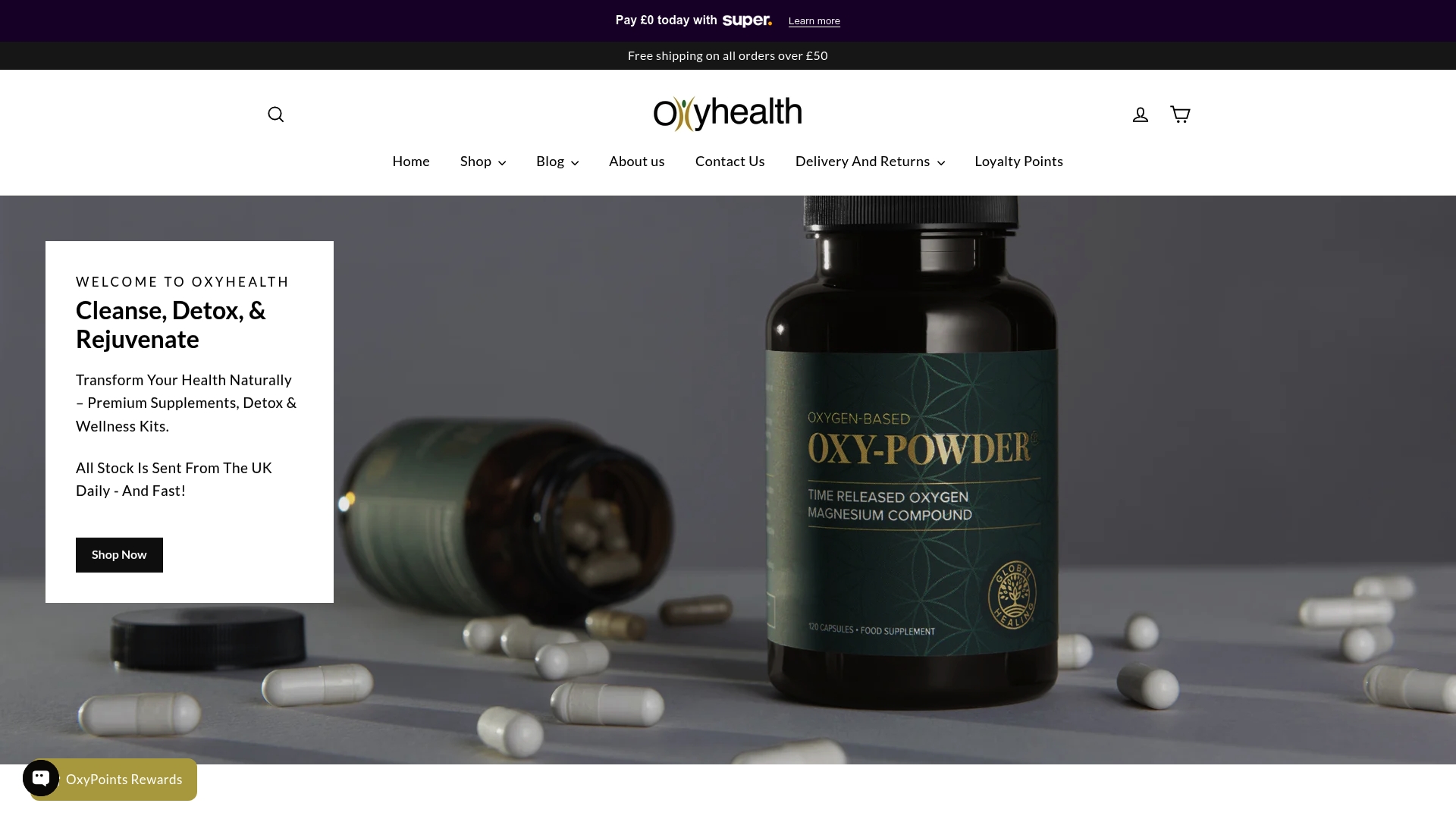
Our health kits and cleanse programmes combine complementary supplements with guided protocols that respect your body’s natural detoxification abilities whilst providing optimal nutritional support. Each kit is formulated based on scientific research, ensuring you receive effective dosing and synergistic compound combinations that work together harmoniously.
UK residents seeking authentic, effective natural health solutions benefit from our same-day dispatch for orders placed before 2 p.m., plus free delivery on purchases over £50. Our 365-day satisfaction guarantee demonstrates our commitment to quality and customer care. Browse our cleanse and detox products to discover how plant-based wellness support can enhance your health journey safely and effectively.
Frequently asked questions
Can plant-based supplements replace my body’s natural detoxification?
No, supplements cannot and should not replace your body’s inherent detoxification systems. Your liver, kidneys, gut, and skin continuously remove toxins without external products. Quality plant-based supplements provide antioxidants and nutrients that support these organs’ optimal function rather than performing detoxification for them.
Are all herbal supplements safe because they’re natural?
Natural doesn’t automatically mean safe. Some herbal supplements can cause liver damage, interact dangerously with medications, or produce adverse effects at high doses. Limited regulatory oversight means quality varies significantly between products. Always consult healthcare professionals and choose supplements with third-party testing certifications.
How do I integrate supplements with my existing diet and lifestyle?
Supplements work best as targeted support alongside a balanced whole-food diet, regular exercise, adequate hydration, and quality sleep. They fill nutritional gaps rather than replacing healthy habits. Start with foundational lifestyle practices, then add specific supplements to address identified deficiencies or support particular wellness goals under professional guidance.
What’s the difference between whole food supplements and isolated herbal extracts?
Whole food supplements preserve natural compound ratios found in plants, potentially offering synergistic benefits from multiple phytonutrients working together. Isolated extracts provide concentrated doses of specific compounds, useful for therapeutic targeting but sometimes lacking complementary nutrients. Both approaches have merit depending on your health objectives and bioavailability needs.
Can supplements cure diseases or health conditions?
No, dietary supplements are not medicines and aren’t intended to treat, cure, or prevent diseases. They support general wellness and may help address nutritional deficiencies, but they cannot replace medical treatment for diagnosed conditions. Anyone managing health issues should work with qualified healthcare professionals rather than relying solely on supplements.