
Herbal Detox Explained: Facts, Benefits and Risks
Finding genuine clarity around herbal detox can feel challenging when so many social media trends make bold promises. For those in the United Kingdom balancing modern wellness goals with healthy choices, the desire for safe and effective solutions is strong. This guide unpacks the core definition of herbal detox and its common misconceptions, highlighting what science really says about supporting your body’s natural cleansing process with herbal approaches.
Table of Contents
- Herbal Detox: Core Definition And Misconceptions
- Types Of Herbal Detox And Key Herbal Ingredients
- How Herbal Detox Works In The Body
- Scientific Evidence And Real-World Outcomes
- Safety, Risks And Legal Regulations In The UK
- Alternatives And Common Mistakes To Avoid
Key Takeaways
| Point | Details |
|---|---|
| Misleading Claims | Many detox therapies lack scientific support, with benefits largely arising from temporary dietary changes rather than real cleansing. |
| Natural Detoxification | The body already has effective detoxification systems, mainly through the liver and kidneys, which work continuously. |
| Consult Healthcare Professionals | It is essential to seek personalised advice from a registered healthcare professional before starting any herbal detox programme. |
| Safety and Regulation | Regulators like the MHRA oversee herbal medicines in the UK, but consumers must verify product safety and consult professionals to avoid risks. |
Herbal detox: core definition and misconceptions
Modern wellness culture has transformed the concept of detoxification from its original medical meaning into a broad lifestyle practice. Traditionally, detoxification referred to a clinical process of removing toxic substances from the body, but today it encompasses a wide range of dietary and supplementary approaches aimed at eliminating perceived internal toxins.
According to scientific research, many contemporary detox claims are misleading. Detoxification therapies lack substantial scientific support, with most benefits stemming from temporary dietary changes rather than genuine physiological cleansing. The key misconceptions surrounding herbal detox include:
- Claiming to remove unspecified “toxins” without scientific evidence
- Suggesting rapid, dramatic health transformations
- Presenting detox as a universal solution for multiple health concerns
- Overlooking the body’s natural detoxification mechanisms via liver and kidneys
Herbal detox approaches typically involve combinations of supplements, restricted diets, and lifestyle interventions. However, scientific reviews consistently find health benefits are largely unsupported or transient, indicating that most commercial detox programmes offer more marketing promise than medical reality.
Pro tip: Before starting any herbal detox programme, consult a registered healthcare professional who can provide personalised advice tailored to your specific health needs and potential risks.
Types of herbal detox and key herbal ingredients
Herbal detox approaches represent a diverse range of natural wellness strategies designed to support the body’s internal cleansing mechanisms. Herbal detox drinks involve carefully crafted blends of medicinal herbs that aim to promote overall health and potential toxin elimination through targeted nutritional support.
The most common types of herbal detox methods include:
- Herbal Tea Detoxes: Involving infusions of specific herbs like mint, tulsi, and lemon
- Supplement-Based Detoxes: Concentrated herbal extracts in capsule or liquid form
- Whole Food Herbal Detoxes: Incorporating herbs directly into dietary plans
- Liquid Herbal Cleanses: Prepared drinks featuring complex herbal combinations
Key herbal ingredients frequently used in detoxification approaches have unique properties. Neem supports liver function, amla provides antioxidant protection, giloy enhances immune response, and mint supports digestive processes. These herbs work synergistically to potentially support the body’s natural elimination systems.
Here is a summary of key herbal ingredients and their proposed effects:
| Herb | Proposed Benefit | Common Detox Use |
|---|---|---|
| Neem | Supports liver health | Used in teas and supplements |
| Amla | Antioxidant properties | Incorporated in whole food plans |
| Giloy | Enhances immunity | Found in liquid cleanses |
| Mint | Aids digestion | Infused in herbal drinks |
While herbal detox approaches offer intriguing possibilities, consumers should approach these methods with informed caution. Scientific evidence remains limited, and individual responses can vary significantly based on personal health conditions and metabolic differences.
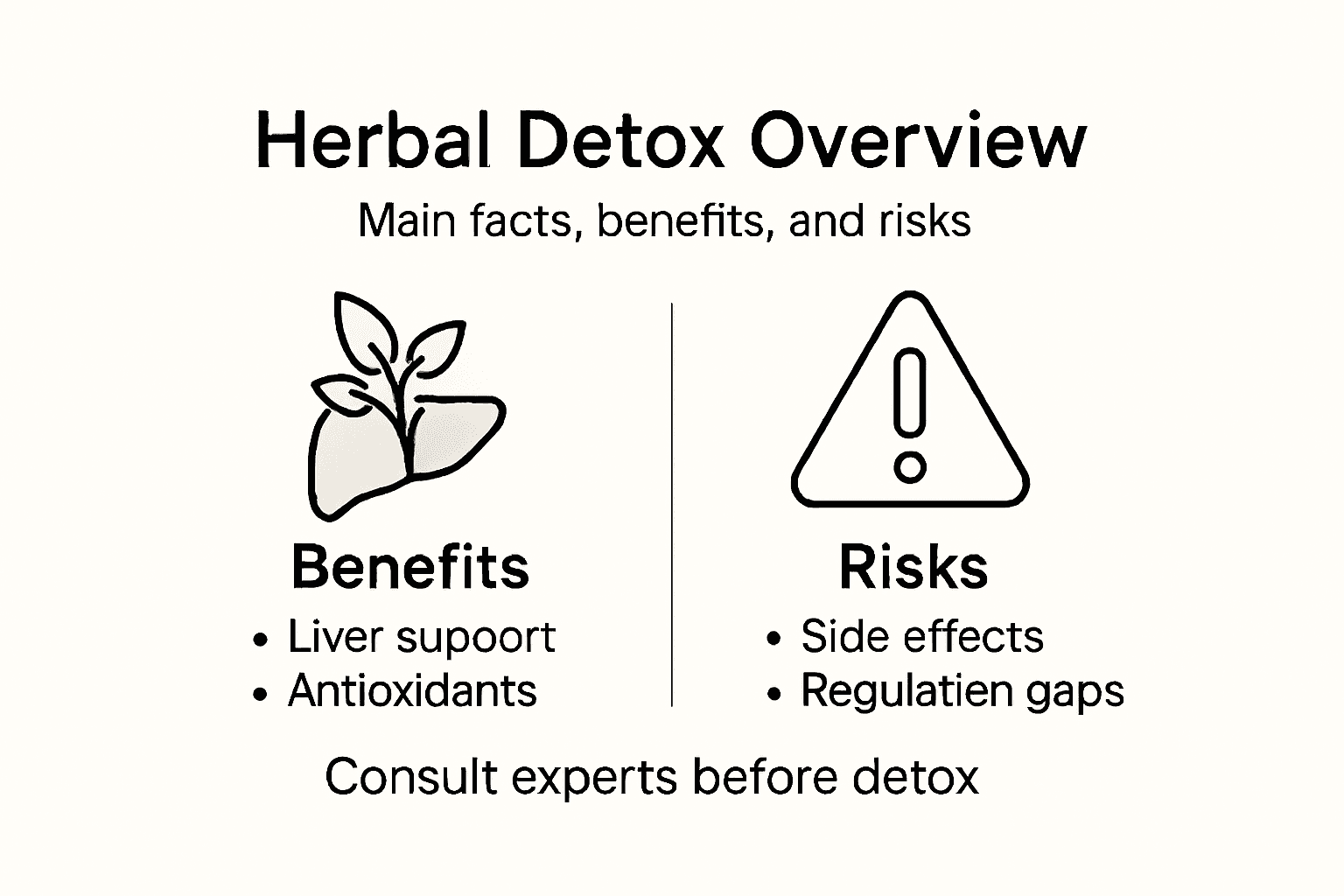
Pro tip: Consult a healthcare professional before starting any herbal detox programme to ensure compatibility with your individual health profile and existing medical conditions.
How herbal detox works in the body
Detoxification is a complex physiological process that occurs continuously within the human body, primarily involving multiple organ systems working in intricate harmony. Liver and kidney functions play a crucial role in metabolising and eliminating toxins, serving as the body’s primary natural cleansing mechanisms.
The primary detoxification pathways include:
- Liver Detoxification: Transforming toxins through biochemical processes
- Kidney Filtration: Removing water-soluble waste products
- Skin Elimination: Releasing toxins through sweat
- Lung Expulsion: Filtering and expelling gaseous waste
Medicinal plant compounds support these natural detoxification processes through bioactive phytochemicals like flavonoids, terpenoids, and polysaccharides. These natural compounds interact with the body’s enzymatic pathways, potentially enhancing the efficiency of toxin breakdown and elimination.

Kupffer cells within the liver play a critical role, actively removing infectious agents and cellular debris. The body’s detoxification system operates through multiple phases, converting fat-soluble toxins into water-soluble substances that can be safely excreted through urine, faeces, or perspiration.
Pro tip: Maintain optimal hydration and consume a balanced diet rich in antioxidants to support your body’s natural detoxification processes.
Scientific evidence and real-world outcomes
Current research on herbal medicines reveals nuanced perspectives regarding their effectiveness across different health conditions. While promising, scientific studies demonstrate significant variability in clinical outcomes, highlighting the complexity of herbal interventions.
The primary research findings indicate effectiveness in several key areas:
- Psychosomatic Conditions: Moderate positive therapeutic responses
- Gynecological Health: Notable supportive treatment potential
- Respiratory Illnesses: Promising preliminary evidence
- Chronic Disease Management: Variable but intriguing results
Herbal nutraceuticals show therapeutic potential across multiple health domains, including preventing and managing conditions such as diabetes, obesity, and hypertension. However, researchers consistently emphasise the critical need for more rigorous, high-quality clinical trials to substantiate these initial findings.
Important scientific limitations persist in current herbal medicine research. The quality of existing studies varies significantly, with many lacking robust methodological standards. Most research remains preliminary, requiring substantial additional investigation to establish definitive clinical guidelines and understand precise mechanisms of action.
Pro tip: Always approach herbal interventions as complementary treatments, not replacements for professional medical advice, and discuss potential interactions with a qualified healthcare provider.
Safety, risks and legal regulations in the UK
Herbal medicine regulation in the United Kingdom involves complex legal frameworks designed to protect consumer health and ensure product safety. The Medicines and Healthcare products Regulatory Agency (MHRA) oversees these regulations under the Human Medicines Regulations 2012, establishing stringent standards for traditional herbal medicinal products.
Key regulatory considerations include:
- Product Registration: Requires evidence of traditional use and safety
- Quality Control: Mandatory manufacturing standards
- Safety Assessments: Comprehensive risk evaluations
- Licensing Requirements: Strict approval processes
The UK Herbal Medicines Advisory Committee identifies multiple potential risks associated with herbal medicines, including potential adverse reactions, herb-drug interactions, and safety concerns for vulnerable populations. These risks necessitate careful consumer education and professional guidance.
Northern Ireland maintains slightly different regulatory approaches, highlighting the nuanced nature of herbal medicine regulation across the United Kingdom. Consumers must remain vigilant, understanding that while many herbal products are available, they are not automatically safe or effective without proper professional consultation.
Alternatives and common mistakes to avoid
Herbal detoxification strategies require careful consideration and informed decision-making to ensure safe and effective wellness practices. Understanding common mistakes can significantly improve detoxification outcomes, helping individuals navigate potential pitfalls and optimise their health approach.
Common mistakes to avoid during herbal detoxification include:
- Unrealistic Expectations: Assuming immediate or miraculous results
- Poor Herb Selection: Using low-quality or inappropriate herbal preparations
- Incorrect Dosage: Consuming herbs without proper measurement
- Ignoring Personal Health: Overlooking individual medical conditions
- Unsupervised Experimentation: Mixing herbs without professional guidance
Healthier alternatives to traditional herbal detox approaches encompass comprehensive wellness strategies. These include balanced nutrition, regular exercise, adequate hydration, stress management techniques, and professional medical consultation. Individuals should prioritise evidence-based lifestyle modifications over potentially risky herbal interventions.
The table below compares herbal detox methods to lifestyle-based detox alternatives:
| Approach | Main Strategy | Evidence Strength | Long-term Impact |
|---|---|---|---|
| Herbal Detox Programme | Supplementation & restriction | Limited clinical support | Results often temporary |
| Lifestyle Modification | Nutrition, exercise | Strong scientific support | Sustainable health outcomes |
Professional herbalists and nutritionists recommend a holistic approach that integrates scientific understanding with personalised health assessments. This means conducting thorough health screenings, understanding potential interactions, and developing tailored wellness plans that address individual physiological needs.
Pro tip: Consult a registered nutritionist or herbal medicine practitioner to develop a personalised, safe detoxification strategy tailored to your specific health requirements.
Discover Effective Herbal Detox Solutions Backed by Natural Science
Understanding the complexities and potential risks of herbal detox is essential before beginning any cleansing programme. This article highlights common misconceptions and emphasises the importance of supporting your body’s natural detox pathways with safe, scientifically informed supplements and lifestyle choices. If you are seeking a reliable way to enhance your wellbeing through herbal detox, finding quality products that align with your health needs is key.
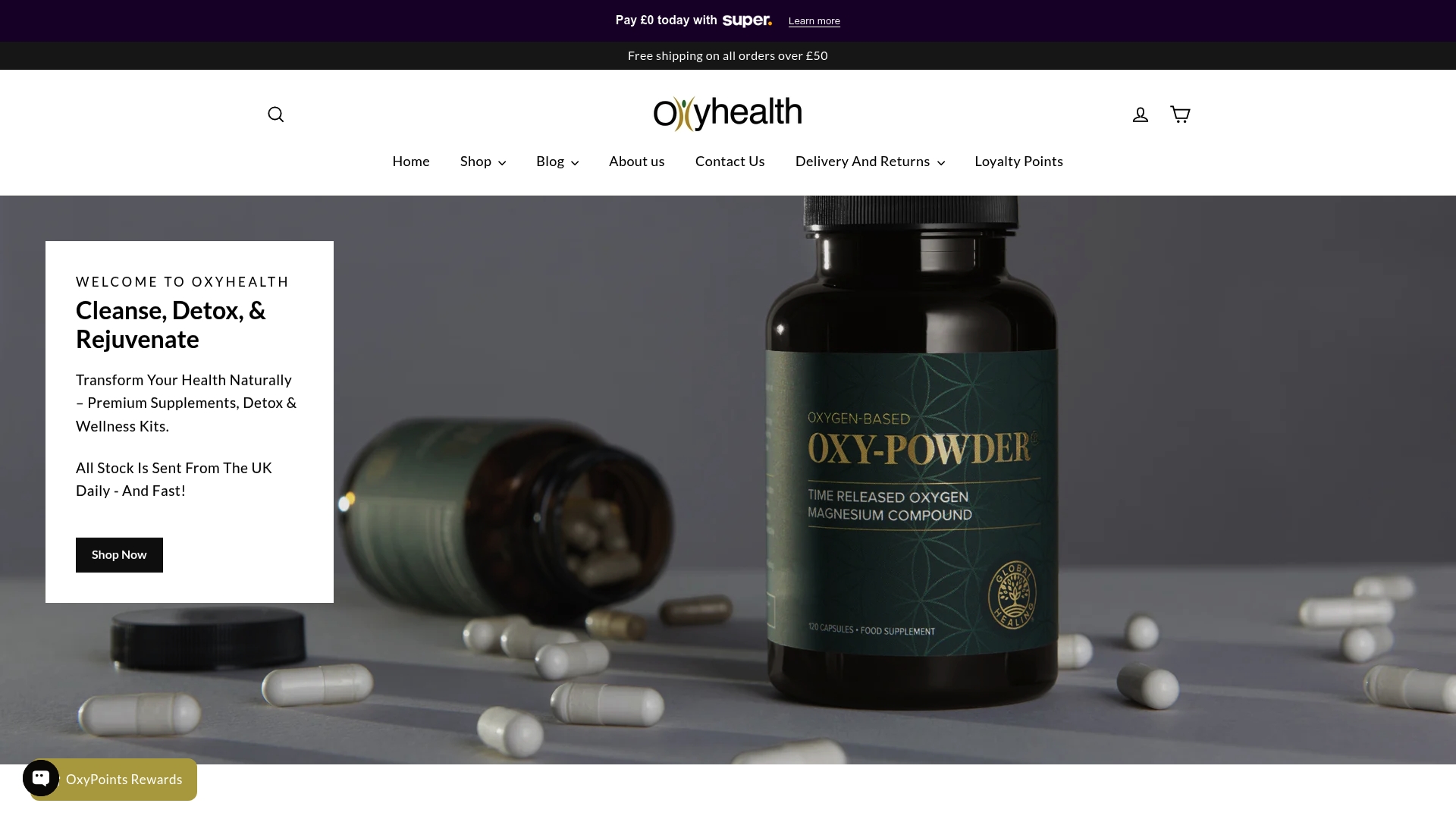
Explore a wide selection of trusted Cleanse & Detox products at Oxyhealth. Our carefully curated range includes supplements designed to support liver and kidney function, including best sellers like Oxy-Powder and Detoxadine. All our offerings come with UK-based same-day shipping when ordered before 2 p.m. and free delivery on orders over £50, ensuring you get authentic natural health products swiftly. Take control of your health journey today by visiting Oxyhealth, browse specialised Health Kits & Cleanse Programs, and consider adding Supplements that complement your personalised detox strategy.
Frequently Asked Questions
What is herbal detoxification?
Herbal detoxification refers to natural wellness strategies that aim to support the body’s internal cleansing mechanisms using a combination of herbs through teas, supplements, and whole foods.
What are the common misconceptions about herbal detox?
Common misconceptions include claims that herbal detox can remove unspecified ‘toxins’, provide rapid health transformations, and serve as a universal solution for various health issues, while ignoring the body’s natural detoxification processes.
What are the key herbal ingredients used in detox approaches?
Common herbs include Neem, which supports liver health; Amla, known for its antioxidant properties; Giloy, which enhances immunity; and Mint, which aids digestion. Each plays a specific role in potential health benefits during detoxification.
Are there risks associated with herbal detox programmes?
Yes, risks include potential adverse reactions to herbs, herb-drug interactions, and safety concerns for individuals with certain health conditions. It’s crucial to consult a healthcare professional before starting any herbal detox regimen.
Recommended
- 7 Essential Tips for a Safe Detox Superfoods Guide – Oxyhealth
- 7 Types of Detox Supplements for Better Digestive Health – Oxyhealth
- How to Support Liver Detox Naturally for Better Health – Oxyhealth
- Liver Health - Liver & Gallbladder Detox Support - Global Healing – Oxyhealth
- How to Detox Your Body: What You Need to Know
- Herbal Solutions for Vocal Care: Natural Relief for Voice - TMRG Solutions
- Is Jiaogulan Tea Good for? Exploring its Benefits – LongevityBotanicals