
Detox at Home Guide: Achieve a Safe Cleanse Process
Finding a trustworthy and efficient way to detox at home can feel overwhelming, especially when life in the United Kingdom rarely slows down. For those committed to their well-being, creating a safe space and selecting genuine, swift-delivery supplements are vital steps towards a smoother, more successful detox journey. This guide covers how to prioritise preparation, safety, and quality natural supplements so you can confidently support your body’s natural cleansing processes with peace of mind.
Table of Contents
- Step 1: Prepare Your Home For Safe Detoxification
- Step 2: Select Suitable Natural Detox Supplements
- Step 3: Plan And Follow Your Daily Detox Routine
- Step 4: Monitor Signs Of Effective Detox
- Step 5: Review And Adjust Your Detox Process
Quick Summary
| Key Point | Explanation |
|---|---|
| 1. Clear Your Schedule Completely | Dedicate 7 to 10 days exclusively to detox, ensuring you can rest and focus on the process without interruptions. |
| 2. Stock Essential Supplies in Advance | Gather filtered water, nutrient-rich foods, and herbal teas to support hydration and nourishment during detox. |
| 3. Create a Calm, Dedicated Space | Set up a distraction-free area for rest and recovery, removing temptations and ensuring a peaceful environment. |
| 4. Monitor Symptoms Regularly | Keep a daily log of energy levels, mood, and digestive function to track progress and identify any concerning changes. |
| 5. Be Flexible and Adjust as Needed | Review your detox progress regularly and make changes based on your body’s responses and needs to optimise your routine. |
Step 1: Prepare your home for safe detoxification
Preparing your home properly is the foundation of a safe at-home detox experience. This step involves creating a supportive environment, gathering essential supplies, and arranging your schedule so you can focus entirely on the cleansing process without interruption. Taking time to prepare now prevents unnecessary stress during the crucial days ahead.
Start by clearing your schedule completely. A successful detox requires your undivided attention, ideally for seven to ten days as the detoxification timeline typically lasts. Inform your employer or clients that you need time away, and delegate any urgent responsibilities. This isn’t laziness—your body needs rest whilst it eliminates toxins, and mental stress only complicates the process. You’ll also want to inform a trusted family member or friend who can check on you regularly, because having proper supervision throughout your detox is vital for safety.
Next, stock your home with essential supplies before you begin. Your body will lose fluids during the detoxification process, so gather plenty of filtered water, herbal teas, and electrolyte solutions. Fresh fruits and vegetables with high water content—courgettes, cucumber, watermelon, and leafy greens—should fill your fridge. Keep these simple, whole foods ready because your digestive system will be working hard during cleansing, and complex meals will only burden it. Stock shelf-stable items like oats, honey, and vegetable broth for when you need nourishment but lack energy to prepare elaborate meals.
Create a dedicated, calm space in your home for rest and recovery. This might be your bedroom, a quiet living area, or anywhere you feel most at peace. Ensure this space is clean, well-ventilated, and free from distractions. Remove alcohol, processed foods, and other temptations from your home entirely—don’t keep them “just in case.” Detox is mentally challenging, and having these items visible will test your resolve unnecessarily. Stock the space with comfortable blankets, pillows, and books or music for when you need gentle distraction.
Arrange practical support systems before starting. Discuss your detox plan with your GP or healthcare provider, who can offer guidance specific to your health situation and recommend when professional monitoring becomes necessary. Consider creating a simple daily schedule that includes meal times, water intake reminders, gentle movement, and rest periods. This structure helps you navigate the days ahead without making constant decisions about what to do next.
A clean, prepared home environment significantly reduces stress during detoxification and supports your body’s natural cleansing processes.
You should also prepare mentally for what lies ahead. Understanding what to expect during the withdrawal and detoxification process helps you stay committed when things feel uncomfortable. Have a list of light activities ready—gentle stretching, meditation apps, audiobooks, or journaling—to manage restlessness that sometimes accompanies detox. Many people find that having a clear purpose statement written down keeps them focused when motivation dips.
Finally, gather detox support products that align with your plan. Natural supplements designed to support your body’s detoxification can be valuable additions to your at-home process. Ensure you’ve ordered these well in advance so they arrive before you begin, allowing time to review instructions and prepare yourself mentally.
Pro tip: Set up a simple checklist on your phone or paper that includes daily water intake goals, meals, supplement times, and rest reminders—checking items off provides psychological momentum and keeps you on track when energy levels dip.
Step 2: Select suitable natural detox supplements
Choosing the right supplements is crucial to supporting your body’s natural detoxification processes without unnecessary complications. This step involves understanding which supplements genuinely work, knowing what to avoid, and selecting products that align with your specific health needs and goals.
Start by understanding what your body actually needs during detoxification. Your liver and kidneys work continuously to filter waste, but they benefit from targeted support. Rather than chasing trendy detox products that promise miraculous results, focus on supplements that enhance your body’s natural detoxification pathways by supporting these vital organs. The most effective approach combines foundational nutrients with specific botanical support rather than relying on any single product as a cure-all.
Beware of exaggerated claims. The supplement market is crowded with products that make sweeping promises about “complete body cleansing” or “instant detoxification.” Genuinely beneficial supplements work quietly and methodically. When evaluating products, scrutinise the ingredient list and research each component independently. Look for transparency in labelling that shows exactly what’s included and in what quantities. Companies that provide detailed sourcing information and third-party testing results demonstrate confidence in their products. Avoid anything with vague language like “proprietary blend” where exact amounts remain hidden from consumers.
Consider these key supplement categories that support detoxification:
- Vitamin C strengthens your immune system and supports liver function during the cleansing process
- Mineral-rich supplements including magnesium and potassium help maintain electrolyte balance as your body eliminates toxins
- Milk thistle and turmeric are herbs traditionally used in detox protocols to support liver health
- Activated charcoal can help absorb certain substances in your digestive tract, though use this cautiously and separately from other supplements
- Fibre supplements encourage healthy elimination and support digestive function throughout your cleanse
Prioritise products from suppliers with genuine credentials. Check whether the company sources from reputable manufacturers, maintains quality control standards, and operates transparently. UK-based retailers that stock supplements from established natural health brands offer better assurance than unknown online sellers. Read genuine customer reviews that discuss actual experiences rather than marketing-speak. Real feedback often reveals whether a product delivers as promised or causes unexpected side effects.
To help you choose detox supplements wisely, here’s a comparison of popular supplement categories and their main effects:
| Supplement Type | Primary Effect | Typical Usage |
|---|---|---|
| Vitamin C | Immune and liver support | Morning and midday |
| Magnesium & Potassium | Electrolyte balance | With meals or water |
| Milk thistle & Turmeric | Liver protection | During meals |
| Activated charcoal | Toxin absorption | Separate from other doses |
| Fibre supplements | Digestive function | With water, mid-day |
The most effective detox approach relies on your body’s natural processes, not on supplements alone. Supplements provide support, not solutions.
Time your supplementation thoughtfully. Some people take everything at once, which overwhelms the digestive system. Instead, spread supplements throughout the day and take them with appropriate meals or water as specified on labels. Start with smaller doses than recommended to assess your body’s response, then increase gradually. This measured approach helps you identify any adverse reactions early without compromising your entire detox programme.
Consider your individual health circumstances. If you take medications, have allergies, or existing health conditions, discuss supplement choices with your GP or a qualified nutritionist before starting. Some supplements interact with medications or aren’t suitable for certain conditions. This consultation is especially important if you’ve never done a detox before. Your healthcare provider can recommend specific supplements tailored to your needs rather than suggesting generic options.
Order supplements well in advance of your planned detox start date. This ensures products arrive with time to spare, allowing you to review instructions and prepare mentally. Quality supplements from reputable sources sometimes take longer to arrive than cheap alternatives from questionable sellers. The extra time also lets you assess whether you tolerate them well before diving into your full detoxification programme.
Finally, remember that supporting your body’s natural detox processes through balanced nutrition and hydration remains the foundation of any cleanse. Supplements enhance and accelerate this process, but they cannot replace adequate water intake, wholefood nutrition, and sleep. The best supplements work alongside healthy lifestyle choices, not as substitutes for them.
Pro tip: Keep a simple log documenting which supplements you take daily, how you feel, and any changes you notice—this record helps identify which products genuinely benefit you and provides valuable information to discuss with your healthcare provider if needed.
Step 3: Plan and follow your daily detox routine
A structured daily routine forms the backbone of successful at-home detoxification. This step involves creating a realistic schedule that balances supplementation, hydration, nutrition, rest, and activity in a way that sustains you through the entire cleansing process without overwhelming your system.
Begin by mapping out your daily schedule hour by hour. Write down when you’ll take supplements, drink water, eat meals, rest, and engage in gentle movement. Consistency matters more than perfection—your body thrives on predictable rhythms, and a clear schedule removes the mental fatigue of deciding what to do next when your energy is already depleted. Start your day early with a glass of filtered water and your first round of supplements as directed. Follow this with a light breakfast featuring whole grains and fresh fruits that provide sustained energy without taxing your digestive system. Throughout the morning, aim to drink at least 250 millilitres of water every hour, spreading this across the day rather than consuming large quantities at once, which can overwhelm your kidneys.
Structure your meals around nutrient-dense whole foods. Incorporating detox superfoods such as leafy greens, beetroot, and berries provides your body with the vitamins and minerals needed to support natural elimination processes. Aim for three balanced meals and two light snacks rather than grazing constantly. Lunch should feature vegetables, lean protein, and whole grains. Dinner should be lighter than lunch, eaten at least three hours before bedtime, to allow your digestive system time to rest overnight. Hydration deserves particular attention during detoxification because your body is actively eliminating waste through multiple channels, and insufficient water intake hampers this process significantly.
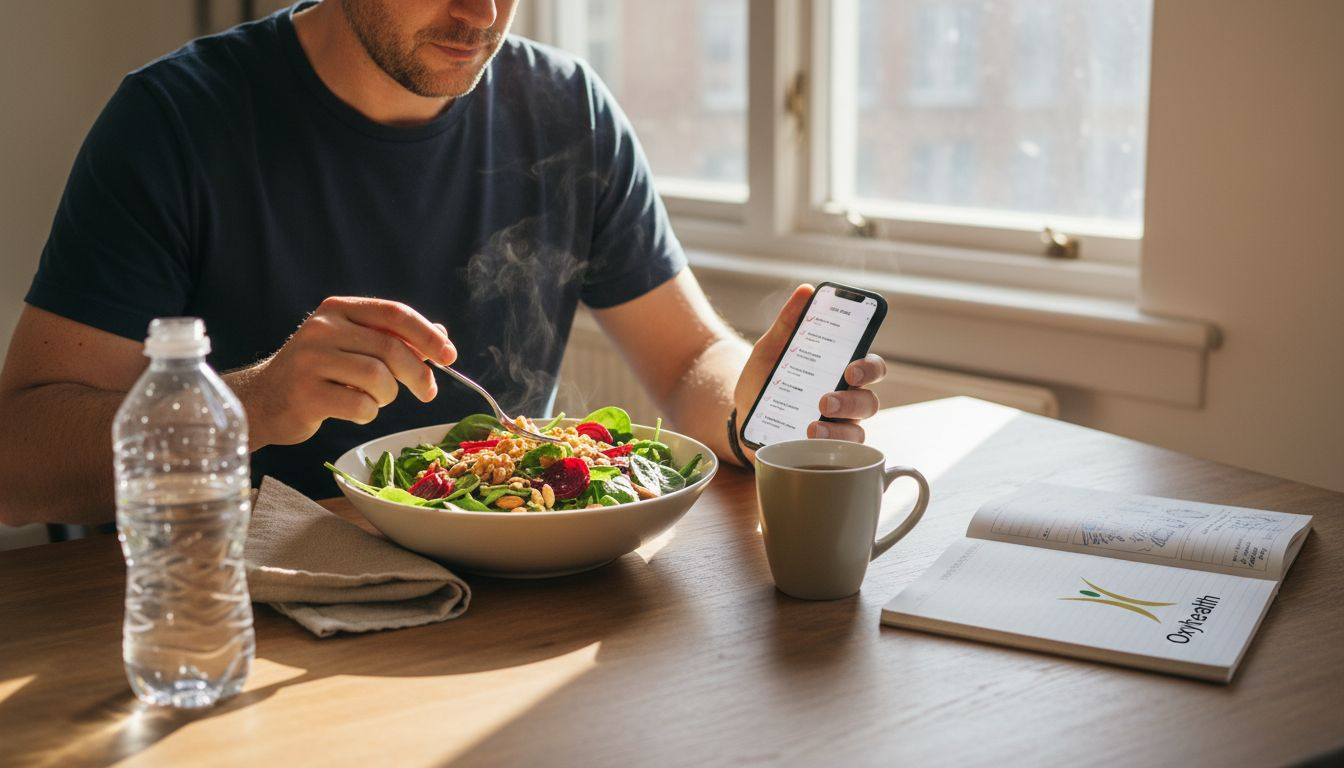
Incorporate structured rest periods throughout your day. Unlike normal life where you push through fatigue, detoxification requires you to honour your body’s signals. Block out time for a twenty to thirty-minute rest in the early afternoon and another in the late evening before dinner. This isn’t laziness—your body directs significant energy toward detoxification processes, and rest allows this to happen efficiently. During these periods, avoid screens, work, or anything mentally taxing. Instead, sit quietly, practise gentle stretching, listen to calming music, or read something light.
Monitor your symptoms and adjust accordingly. Withdrawal and detoxification symptoms fluctuate throughout the day, sometimes intensifying in the afternoon or evening. Keep a simple log noting headaches, fatigue, mood changes, digestion, energy levels, and sleep quality. This record helps you identify patterns and determine whether your routine needs adjustment. If you experience persistent symptoms, contact your GP or healthcare provider rather than assuming everything is normal.
Include gentle physical activity that supports circulation and lymphatic drainage. A twenty-minute walk in fresh air or ten minutes of gentle yoga helps your body eliminate toxins through sweat and movement, but avoid intense exercise that taxes your already-busy system. Many people find that walking immediately after meals aids digestion without demanding excessive energy. Listen to your body—if you feel exhausted, rest instead of forcing activity.
Your daily detox routine should feel sustainable, not punishing. If you cannot maintain it, simplify until you find a rhythm that works.
Address sleep quality intentionally. Detoxification happens largely during sleep when your body can focus entirely on cleansing processes without daytime distractions. Aim for eight to nine hours nightly by establishing a consistent bedtime. Reduce screen time at least one hour before bed, keep your bedroom cool and dark, and avoid caffeine after midday. Quality sleep accelerates detoxification far more effectively than any supplement.
Build flexibility into your schedule. Symptoms vary day to day, and rigidly following a routine that no longer serves you wastes energy fighting yourself. If a planned meal doesn’t appeal, replace it with something similar that sounds tolerable. If you planned a walk but feel depleted, rest instead. The goal is maintaining consistency with hydration, supplements, and basic nutrition whilst remaining flexible about specifics.
Maintain communication with your healthcare provider throughout the process. Regular check-ins with health professionals ensure safety and allow adjustments to your plan based on how you’re actually progressing. Describe what you’re experiencing honestly, including difficult symptoms, rather than minimising them to seem fine.
Pro tip: Set hourly phone reminders for water intake and use a visual checklist app where you tick off each water bottle, supplement dose, and meal—seeing tangible progress builds motivation and helps you stay consistent even on difficult days.
Step 4: Monitor signs of effective detox
Tracking your progress throughout detoxification helps you distinguish between normal cleansing symptoms and warning signs that require medical attention. This step involves establishing a simple monitoring system, recognising positive indicators of progress, and knowing when to contact your healthcare provider.
Start by understanding what happens during effective detoxification. Your body begins mobilising and eliminating accumulated substances through multiple channels simultaneously, which creates noticeable physical and mental changes. Observing physical and mental symptoms such as changing energy levels, mood shifts, and digestive changes provides valuable information about whether your detox is progressing normally. Some symptoms feel uncomfortable but indicate your body is working properly. Other symptoms demand immediate medical intervention. Learning to distinguish between the two protects you throughout the process.
Create a daily monitoring chart that tracks key indicators without becoming obsessive. Document these elements each morning and evening:
- Energy levels on a scale from one to ten, noting whether you feel increasingly capable or progressively more depleted
- Headaches or body aches, including location, intensity, and whether over-the-counter pain relief helps or doesn’t touch them
- Digestive function, including bowel movements, appetite, nausea, or stomach discomfort
- Sleep quality, noting how easily you fall asleep, whether you sleep through the night, and how rested you feel upon waking
- Mental clarity, documenting whether thoughts feel increasingly organised or persistently foggy
- Mood and emotional stability, noting irritability, anxiety, depression, or surprising moments of calm
- Appetite changes, recording whether food appeals to you and whether your body tolerates specific foods well
Positive signs of effective detoxification include gradually reducing withdrawal intensity, improving energy as days progress, clearer thinking capacity, and stabilising mood. Your appetite may normalise, sleep quality improves, and you notice cravings diminishing. These signs indicate your body is successfully processing and eliminating substances. Progress isn’t linear—you might feel significantly better one day and experience setbacks the next, which is completely normal. The overall trajectory matters more than day-to-day fluctuations.
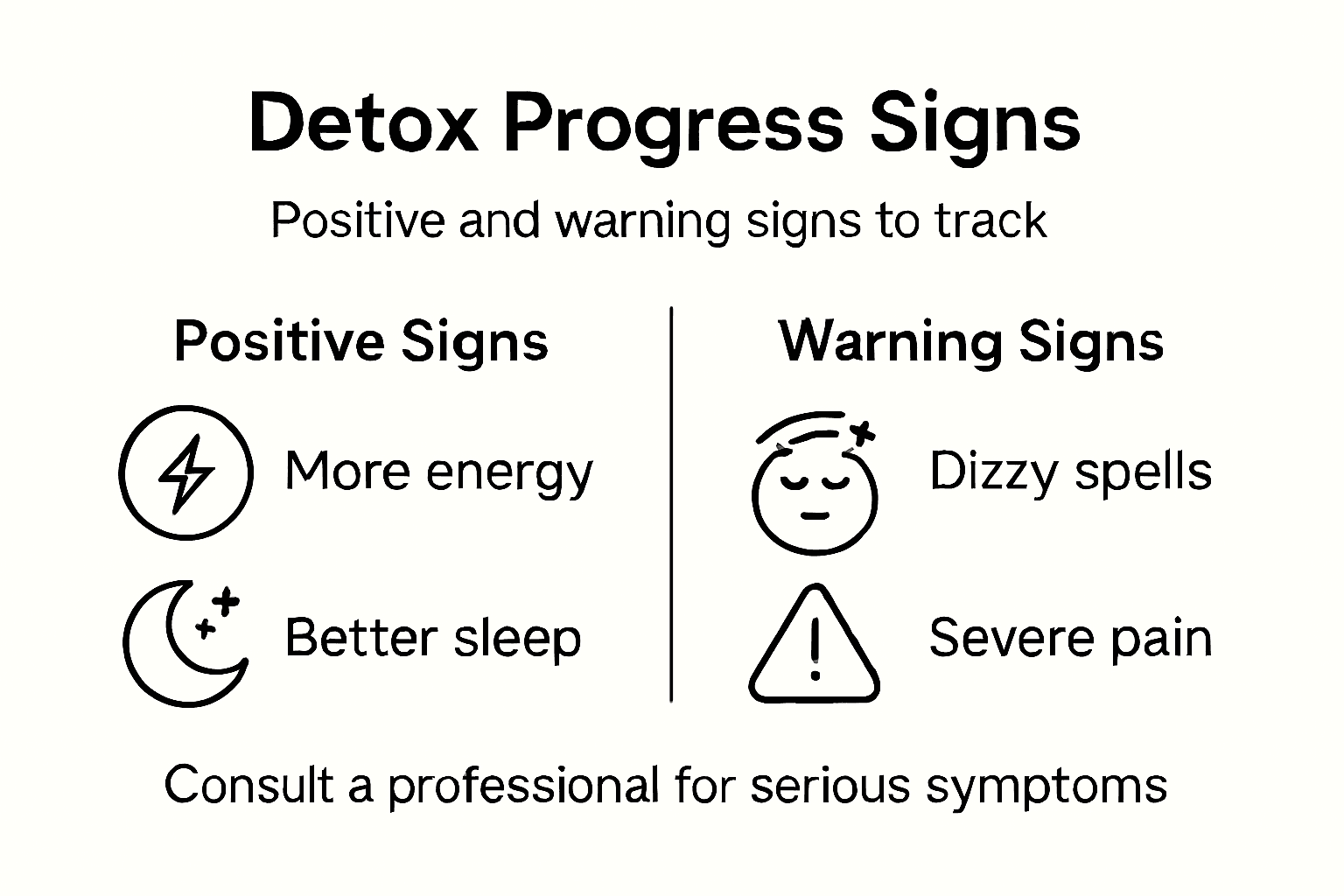
For rapid reference, here are key signs distinguishing normal detox progress from urgent warning symptoms:
| Symptom | Normal Progress | Warning Sign |
|---|---|---|
| Headache | Mild, improves with rest | Severe, no relief |
| Energy levels | Gradual improvement | Persistent decline |
| Mood | Stabilises after days | Severe confusion/hallucinations |
| Heart rate | Stable or mild changes | Extreme, rapid, irregular |
| Sleep quality | Improves over time | Constant insomnia |
Effective detox feels progressively more manageable. If symptoms worsen consistently or new concerning symptoms emerge, medical guidance isn’t optional—it’s essential.
Know which symptoms demand immediate attention. Certain warning signs require contacting your GP or emergency services without delay. These include chest pain, difficulty breathing, severe confusion, hallucinations, seizures, extremely elevated heart rate, dangerously high or low blood pressure, or thoughts of self-harm. These aren’t normal detox symptoms and indicate a serious medical emergency. Don’t assume they’ll pass on their own or try to manage them with rest and fluids. Assessment and monitoring using clinical tools helps healthcare professionals identify when symptoms cross into dangerous territory, so maintaining contact with your medical team matters tremendously.
Understand that stable vital signs indicate safe progress. Throughout your detox, your blood pressure, heart rate, temperature, and breathing should gradually stabilise. If you have access to a blood pressure monitor or pulse oximeter, taking readings twice daily creates an objective record of your physical stability. Discuss these readings during check-ins with your healthcare provider, who can interpret trends and identify concerning patterns you might miss.
Monitor psychological changes alongside physical ones. Mood instability, anxiety spikes, or depression sometimes intensifies during early detoxification before improving. This is normal. Persistent or worsening psychological symptoms, however, warrant professional support. Many people benefit from speaking with a counsellor or therapist during detox, particularly if they experience significant emotional turbulence. Your GP can arrange appropriate support.
Use your daily log to identify patterns. You might notice symptoms intensify at specific times, improve after particular meals, or correlate with sleep quality. These patterns help you optimise your routine. If you consistently feel worse in the evening, perhaps earlier mealtimes help. If you struggle with energy crashes mid-morning, adjusting your hydration or snack timing might help. Your log becomes a personalised guide to supporting your body through detox.
Schedule regular check-ins with your GP or healthcare provider, ideally every two to three days during the first week, then weekly thereafter. Bring your monitoring log to these appointments. Honest communication about what you’re experiencing—including uncomfortable or embarrassing symptoms—helps your healthcare provider offer appropriate support. They can reassure you about normal symptoms, adjust your supplements or nutrition if needed, and escalate care if concerning patterns emerge.
Pro tip: Use a simple spreadsheet or printable daily tracking sheet where you rate symptoms one to ten—this visual record makes patterns immediately obvious and provides concrete evidence to share with your healthcare provider, removing guesswork from medical conversations.
Step 5: Review and adjust your detox process
As your detoxification progresses, your body’s needs shift and what worked in week one might need adjustment by week two. This step involves reviewing your monitoring data, identifying what’s working well, and making strategic adjustments to optimise your cleansing process and support your continued progress.
Begin by analysing your monitoring logs from the past several days. Look beyond individual entries to spot trends. Are your energy levels gradually improving or consistently declining? Is your sleep quality stabilising or becoming more erratic? Are you managing supplements comfortably or struggling to stomach them at certain times? Patterns reveal far more than any single day’s data. When you identify a trend, that’s your signal that adjustment might help. Perhaps you notice digestive discomfort worsens after certain meals, which suggests tweaking your nutrition approach. Maybe headaches intensify in the afternoon, indicating your hydration schedule needs reshaping. Your body communicates through these patterns if you listen carefully.
Discuss your observations with your healthcare provider during your scheduled check-ins. Bring your actual logs rather than relying on memory. Adjusting a home detox plan depends on ongoing symptom monitoring and communication with healthcare providers, ensuring that modifications align with your individual health circumstances. Your GP can interpret patterns you might misunderstand and recommend changes supported by medical expertise. They might suggest adjusting supplement timing, modifying your meal structure, increasing specific nutrients, or introducing light medication if withdrawal symptoms intensify unexpectedly.
Consider these key areas when reviewing your detox:
- Nutrition and hydration if you’re struggling with certain foods or water intake feels either excessive or insufficient
- Supplement tolerance if you experience nausea, digestive upset, or feel the supplements aren’t producing expected benefits
- Activity level if your current exercise routine leaves you depleted or if you could benefit from increased gentle movement
- Rest and sleep if your current schedule isn’t allowing adequate recovery or if you’re oversleeping without feeling rested
- Mental health support if emotional challenges intensify or if you’d benefit from counselling alongside physical detoxification
- Medical monitoring frequency if you’re experiencing concerning symptoms that warrant more frequent check-ins with your GP
Be prepared to make practical adjustments. If certain supplements cause nausea, taking them with food might help, or your healthcare provider might recommend substituting with a different product that achieves the same goal. If you’re struggling to drink sufficient water, switching to herbal teas, coconut water, or watermelon provides hydration with variety. If afternoon energy crashes plague you, adjusting meal timing or adding a light snack might stabilise blood sugar. Small changes often create significant improvements without derailing your entire process.
Flexibility within structure keeps detox sustainable. Your initial plan was a starting point, not a permanent contract. Adjusting based on real experience demonstrates wisdom, not weakness.
Know when adjustments become insufficient. If symptoms worsen despite modifications or new concerning symptoms emerge, clinical protocols advise identifying deterioration and adapting treatment plans promptly to ensure safety and effectiveness. This might mean escalating from home detox to supervised medical care. This isn’t failure—it’s intelligent self-advocacy. Some people genuinely need more support than at-home strategies provide, and recognising this protects your health.
Review your overall goals alongside symptom progress. Your initial detox goal might have been physical cleansing, but perhaps you’ve discovered that addressing underlying stress or sleep patterns matters more. Maybe supporting your liver health naturally with specific dietary changes has become a priority. Your goals can evolve as you understand your body’s needs more deeply. Adjust your approach to align with these refined priorities.
Document what’s working. Note which supplements genuinely help, which meals make you feel best, which activities boost your mood, and which sleep strategies work. This personal knowledge becomes invaluable if you ever detoxify again or if you need to explain your process to healthcare providers. Over time, you’ll develop a sophisticated understanding of what your body needs for optimal wellness.
Establish a review schedule. Rather than constantly tinkering, schedule formal review sessions every three to four days. This prevents reactive adjustments born from a single bad day whilst allowing you to respond to genuine patterns. During each review, ask yourself what’s improved, what’s stalled, and what needs changing. Write these observations down so you can discuss them meaningfully with your healthcare provider.
Remember that plateau periods are normal. Progress doesn’t follow a straight line upward. You might feel substantially better for three days, then experience a setback day that feels discouraging. This doesn’t mean your detox is failing. Detoxification involves complex biological processes that naturally fluctuate. Trust the overall trend rather than fixating on daily variations.
Pro tip: Create a simple weekly review checklist asking “What worked well this week?” “What caused problems?” and “What should I change next week?”—then discuss these observations with your GP at your regular appointment rather than waiting for crises to prompt adjustments.
Support Your Safe At-Home Detox with Trusted Natural Solutions
Embarking on a safe and effective detox journey at home requires careful preparation, the right supplements, and a well-structured routine. Many people struggle with finding authentic products that genuinely support the body’s natural cleansing processes while ensuring safety and quality. This is where oxyhealth.co.uk comes in. Whether you need carefully formulated supplements like Oxy-Powder to enhance detoxification or prefer complete programmes that guide you step-by-step, our range is designed to meet your needs without compromising on purity or effectiveness.
Explore our Cleanse & Detox collection to find natural health products expertly crafted to support liver function, hydration balance, and gentle elimination. For a comprehensive approach, our Health Kits & Cleanse Programs provide everything you need for a structured detoxification plan from home. Make sure you choose trusted solutions available with fast same-day dispatch in the UK from Oxyhealth and experience the confidence that comes with genuine quality assurance and customer satisfaction. Start your safe detox journey today and give your body the support it deserves.
Frequently Asked Questions
How do I prepare my home for a safe detox at home?
To prepare your home for a safe detox, clear your schedule for seven to ten days and inform a family member or friend about your plan. Create a calm space free from distractions, stock your home with filtered water, herbal teas, and fresh fruits and vegetables, and remove any potential temptations like alcohol and processed foods.
What natural detox supplements should I consider?
Consider supplements such as Vitamin C for immune support, Milk Thistle for liver health, and Magnesium for electrolyte balance. Research each supplement and consult with a healthcare provider, starting with small doses and gradually increasing as needed to assess tolerance and effects.
How can I create a daily detox routine?
Map out a daily schedule that includes specific times for hydration, meals, supplement intake, rest, and gentle activities. Maintain consistency in your routine while being flexible to cater to your body’s needs, ensuring you monitor your energy levels and adjust based on your symptoms throughout the detox.
What signs indicate my detox process is effective?
Signs of effective detox include improved energy levels, stabilised mood, and enhanced digestive function. Keep a daily log of your symptoms, noting any positive changes, and be aware of any concerning symptoms that may warrant medical attention.
How do I adjust my detox plan during the process?
Review your monitoring logs regularly to identify patterns and areas that need adjustment, such as nutrition, supplement timing, or activity levels. Discuss any necessary changes with your healthcare provider to ensure that your detox plan remains safe and effective as you progress.
When should I seek medical help during my detox?
Contact a healthcare provider if you experience severe symptoms such as persistent headaches, extreme fatigue, or mood instability. It’s crucial to seek help immediately if you notice alarming signs like high heart rate or severe confusion, as these may indicate serious medical issues.