
Detox Diets and Their Impact on Vitality
Finding clear answers on detox diets can feel overwhelming when quick fixes are everywhere and contradictory advice fills your feed. For many British adults aiming to improve energy, support digestion, or find truly effective wellness strategies, the choices can be confusing. This guide cuts through hype with reliable information about natural detoxification mechanisms and genuine supplement options, so you can make choices that prioritise your health and long-term vitality.
Table of Contents
- What Detox Diets Really Mean
- Popular Types of Detox Diet Explained
- How Detox Diets Affect Digestion and Energy
- Science Behind Supplements and Cleansing Kits
- Risks, Misconceptions and When to Avoid
Key Takeaways
| Point | Details |
|---|---|
| Detox Diets Are Not Long-Term Solutions | While detox diets can offer temporary metabolic changes, they are not scientifically proven as comprehensive health solutions. |
| Consult Professionals | It is essential to seek guidance from registered nutritionists or healthcare professionals before starting any detox programme to ensure safety. |
| Potential Risks of Detox Diets | Detox diets can lead to nutrient deficiencies, electrolyte imbalances, and metabolic disruptions, especially in vulnerable populations. |
| Understanding Individual Responses | Each person’s physiological response to detox diets varies, and what works for one may not work for another; personalised approaches are crucial. |
What Detox Diets Really Mean
Detox diets represent a complex wellness approach promising quick health transformation through targeted nutritional interventions. Dietary detoxification processes aim to eliminate accumulated toxins from the body, though scientific evidence remains mixed regarding their comprehensive effectiveness.
These dietary strategies typically encompass several key methodologies:
- Temporary fasting periods
- Consuming exclusively liquid nutritional programmes
- Eliminating processed food groups
- Incorporating specific herbal supplements
- Reducing environmental chemical exposures
While proponents argue that detox diets can rapidly reset metabolic function, medical professionals emphasise the importance of understanding their potential limitations. The human body already possesses sophisticated natural detoxification mechanisms through organs like the liver, kidneys, and digestive system, which continuously process and eliminate harmful substances.
Detox diets are not scientifically proven long-term health solutions, but rather temporary nutritional interventions.
Detox approaches vary widely, ranging from juice cleanses to complex elimination diets. Some individuals report increased energy and improved digestive comfort, while others experience minimal observable changes. Understanding individual physiological responses becomes crucial when exploring these dietary strategies.
Pro tip: Always consult a registered nutritionist or healthcare professional before commencing any significant dietary detoxification programme to ensure personalised, safe nutritional guidance.
Popular Types of Detox Diet Explained
Detox diets represent a diverse range of nutritional strategies designed to support the body’s natural cleansing processes. Popular detox methodologies encompass multiple approaches, each targeting metabolic purification through distinct dietary interventions.
The most common detox diet approaches include:
- Juice Cleanse: Consuming exclusively fruit and vegetable juices for 1-3 days
- Intermittent Fasting: Restricting food intake to specific time windows
- Whole Food Detox: Eliminating processed foods and focusing on organic, nutrient-dense options
- Herbal Supplement Detox: Using targeted herbal combinations to support liver and kidney function
- Water Fasting: Consuming only water for short, controlled periods
Each detox approach carries unique characteristics and potential physiological impacts. Juice cleanses, for instance, provide concentrated nutrient delivery but may lack essential protein and complex carbohydrates. Intermittent fasting offers metabolic reset opportunities while maintaining more balanced nutritional intake compared to total food elimination strategies.
Detox diets should never replace professional medical advice or comprehensive nutritional planning.
Nutritional experts recommend approaching detox diets with careful consideration, understanding individual health requirements and potential physiological limitations. Some individuals may experience enhanced energy and digestive comfort, while others might encounter challenges related to nutrient deficiency or metabolic disruption.
Here is a comparison of popular detox diet types and their typical claims:
| Detox Diet Type | Common Duration | Typical Claims | Potential Shortcomings |
|---|---|---|---|
| Juice Cleanse | 1-3 days | Quick toxin elimination | May cause nutrient imbalances |
| Intermittent Fasting | Variable | Supports weight management | Can lead to energy fluctuations |
| Whole Food Detox | 1 week or more | Enhances digestion | Restrictive for some lifestyles |
| Herbal Supplement Plan | 3-14 days | Boosts liver function | Unproven for most supplements |
| Water Fasting | ≤3 days | Resets metabolism | Risk of severe deficiencies |
Pro tip: Consult a registered nutritionist to design a personalised detox strategy tailored to your specific health goals and physiological needs.
How Detox Diets Affect Digestion and Energy
Detox diets can significantly influence digestive processes and energy metabolism through radical nutritional interventions. Digestive health impacts vary widely depending on specific dietary strategies and individual physiological responses.
The primary mechanisms affecting digestion and energy include:
- Nutrient Restriction: Dramatically reducing caloric and nutritional intake
- Metabolic Disruption: Altering normal digestive enzyme production
- Fluid Balance: Changing hydration and electrolyte levels
- Gut Microbiome: Potentially destabilising beneficial bacterial populations
- Hormonal Shifts: Impacting metabolic signalling and energy regulation
Initial detox experiences often produce mixed physiological responses. Some individuals report temporary energy surges, while others encounter significant fatigue and digestive discomfort. Metabolic adaptation plays a crucial role in determining individual responses, with some people experiencing enhanced vitality and others struggling with nutrient deficiencies.
Short-term dietary interventions can create temporary metabolic changes but should not replace balanced nutritional strategies.
Nutritional experts emphasise the importance of understanding personal physiological limitations. Extreme detox approaches might trigger unintended consequences such as reduced metabolism, compromised immune function, and persistent digestive irregularities. Careful monitoring and professional guidance become essential when exploring these nutritional strategies.

Pro tip: Gradually introduce dietary changes and monitor your body’s specific responses to minimise potential digestive disruptions.
Science Behind Supplements and Cleansing Kits
Understanding the scientific landscape of detox supplements requires careful examination of their complex physiological interactions. Dietary supplement evaluations reveal significant variations in product quality, efficacy, and potential health implications.
Key scientific considerations for detox supplements include:
- Ingredient Composition: Analysing precise chemical constituents
- Bioavailability: Measuring how effectively nutrients are absorbed
- Potential Interactions: Understanding risks with existing medications
- Metabolic Impact: Assessing effects on cellular processes
- Regulatory Oversight: Examining quality control mechanisms
Nutritional research demonstrates that many marketed cleansing kits lack robust scientific validation. Biochemical mechanisms underlying detoxification are intricate, with the human body already possessing sophisticated natural elimination systems through liver, kidney, and digestive tract functions. Commercial supplements often make exaggerated claims without comprehensive empirical evidence.
Scientific scrutiny reveals most detox supplements offer minimal measurable health benefits beyond standard nutritional intake.
Professional healthcare practitioners consistently recommend approaching dietary supplements with critical analysis. Individual physiological responses vary dramatically, making generalised claims about detoxification supplement effectiveness problematic. Comprehensive medical consultation remains crucial before integrating any new supplementation strategy.
Pro tip: Request third-party testing documentation and independent research when evaluating potential detox supplement effectiveness.
Risks, Misconceptions and When to Avoid
Detox diets and cleansing programmes carry significant potential health risks that consumers must carefully consider. Detox diet risks encompass a wide range of potential physiological complications that extend beyond superficial wellness promises.
Critical risks and misconceptions include:
- Nutrient Deficiencies: Severe restrictions leading to essential vitamin and mineral depletion
- Electrolyte Imbalances: Disrupting critical bodily mineral concentrations
- Metabolic Disruption: Potentially damaging natural metabolic processes
- Gastrointestinal Complications: Causing digestive system stress
- Psychological Impact: Creating unhealthy relationships with nutrition
Individuals should exercise extreme caution and avoid detox programmes during specific health conditions. Vulnerable populations such as pregnant women, nursing mothers, individuals with chronic health conditions, and those preparing for surgical procedures face heightened risks from radical dietary interventions.
Sustainable health improvements come from balanced nutrition, not extreme dietary restrictions.
Many detox programmes perpetuate dangerous misconceptions about toxin elimination. The human body possesses sophisticated natural detoxification mechanisms through liver, kidneys, and digestive systems. Commercial detox products often make unsubstantiated claims about rapid weight loss or comprehensive body cleansing, which lack rigorous scientific validation.
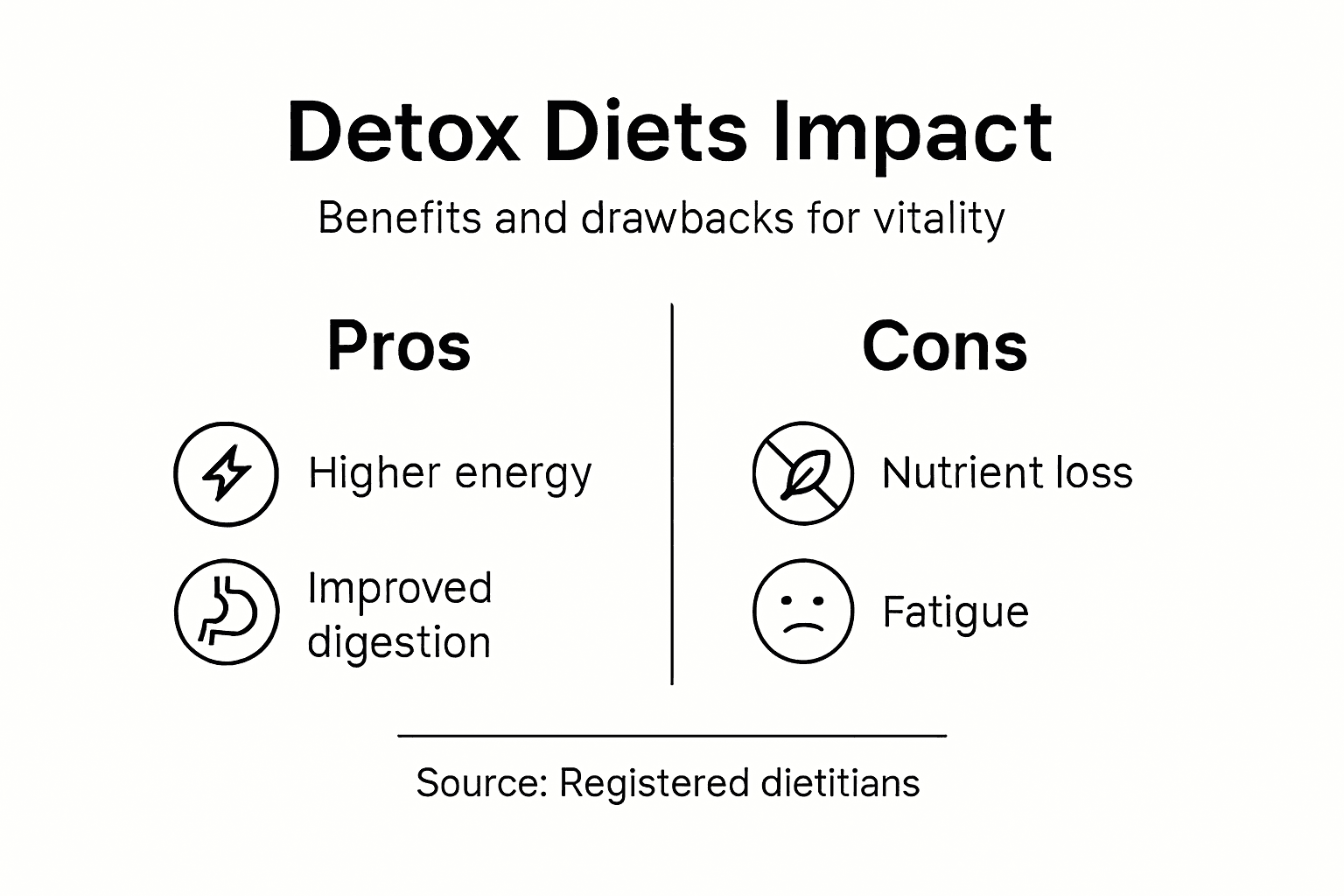
Below is a summary of potential risks and appropriate actions regarding detox diets:
| Risk or Misconception | Health Implication | Recommended Action |
|---|---|---|
| Nutrient deficiency | Weakens immunity and energy levels | Seek balanced, qualified advice |
| Electrolyte imbalance | May cause heart or kidney problems | Regularly monitor health status |
| Extreme metabolic changes | Can slow down long-term metabolism | Avoid prolonged radical diets |
| Psychological side effects | Potential for eating disorders | Prioritise mental well-being |
Pro tip: Consult a registered healthcare professional before initiating any extreme dietary intervention to assess individual health risks and potential complications.
Empower Your Vitality with Trusted Detox Solutions
Detox diets can be challenging to navigate, especially when aiming to boost vitality without risking nutrient imbalances or metabolic disruption. This article highlights key concerns such as digestive health, energy fluctuations, and the importance of professional guidance when undertaking detox plans. If you seek natural ways to support your body’s cleansing processes while maintaining balanced nutrition, exploring carefully formulated products can help you make safe and effective choices.
Discover a range of expertly crafted options designed to complement your detox journey at Cleanse & Detox – Oxyhealth.
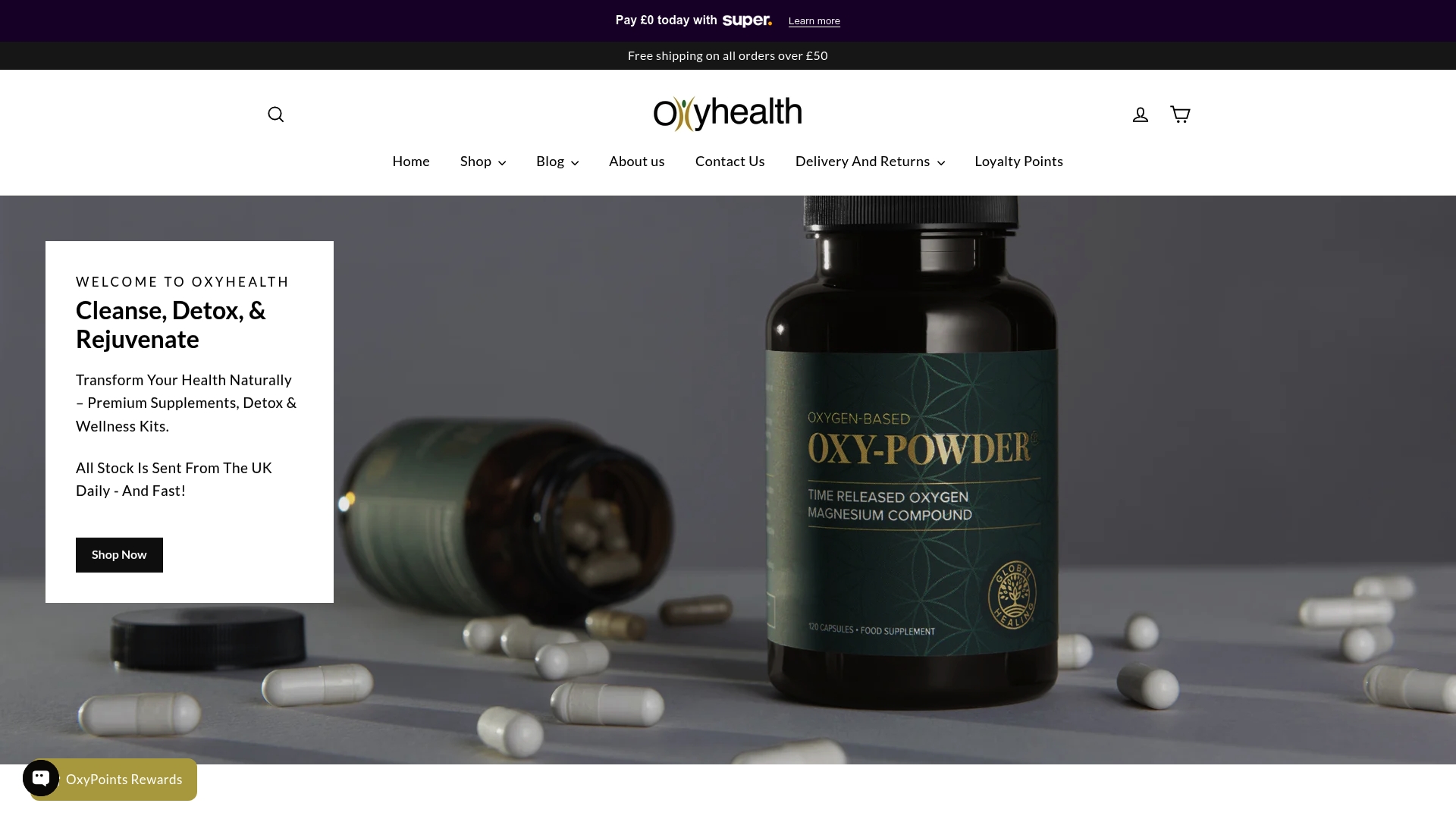
Take control of your wellness with quality supplements and health kits tailored for cleansing support. Our UK-based platform ensures fast dispatch and authentic products from trusted providers so you can experience revitalised energy and digestive comfort without compromise. Start your personalised detox today by visiting Health Kits & Cleanse Programs – Oxyhealth and browse our premium Supplements – Oxyhealth. For a full selection and complete guidance, head to Oxyhealth’s website and invest in your health with confidence.
Frequently Asked Questions
What are detox diets and how do they work?
Detox diets are nutritional strategies aimed at supporting the body’s natural cleansing processes by eliminating toxins through temporary dietary interventions. These can include fasting, juice cleanses, and the elimination of processed foods.
Can detox diets improve my energy levels?
Some individuals report increased energy after following detox diets due to reduced intake of processed foods and increased consumption of nutrient-dense options. However, results may vary, and some may experience fatigue or discomfort.
Are detox diets safe for everyone?
Detox diets may pose risks for certain individuals, including pregnant women, those with chronic health conditions, or those preparing for surgery. It’s crucial to consult a healthcare professional before starting any detox regime.
What should I consider before starting a detox diet?
Before starting a detox diet, consider your individual health needs, potential risks, and the lack of scientific validation for many detox methods. Consulting with a registered nutritionist or healthcare provider is essential for personalized guidance.