
Why avoid synthetic supplements for natural wellness in 2026
Most people assume all supplements offer equal health benefits, but this couldn’t be further from the truth. Synthetic supplements differ dramatically from their natural counterparts in composition, absorption, and effects on your body. Understanding these differences is crucial for making informed choices about your wellness routine. This guide reveals the hidden risks lurking in synthetic supplements and shows you how natural alternatives support genuine detoxification and long-term health. You’ll learn to identify harmful ingredients, understand why natural sources work better, and discover practical steps to transition safely towards supplements that truly nourish your body.
Table of Contents
- Understanding Synthetic Supplements And Their Risks
- Benefits Of Natural Supplements For Wellness And Detoxification
- How To Spot Synthetic Ingredients In Supplements And What To Avoid
- Practical Steps To Switch Safely To Natural Supplements For Better Health
- Explore Premium Natural Supplements And Wellness Kits At Oxyhealth
- Frequently Asked Questions
Key takeaways
| Point | Details |
|---|---|
| Synthetic supplements contain chemical compounds | Man-made vitamins often include harsh fillers and additives that can trigger adverse reactions in your body. |
| Natural supplements offer superior absorption | Whole food sources provide complete nutrient matrices that work synergistically for better bioavailability. |
| Reading labels prevents harmful exposure | Learning to spot synthetic ingredients empowers you to make safer supplement choices. |
| Gradual transition optimises health outcomes | Switching to natural supplements with professional guidance ensures safety and maximises wellness benefits. |
Understanding synthetic supplements and their risks
Synthetic supplements are laboratory-created compounds designed to mimic naturally occurring nutrients. Manufacturers isolate specific molecules or chemically modify substances to produce vitamins and minerals in concentrated forms. These products flood pharmacy shelves and online stores, often marketed with impressive health claims. However, their chemical structure differs fundamentally from nutrients found in whole foods.
Common synthetic additives include artificial colours like tartrazine and sunset yellow, binders such as magnesium stearate, and fillers including microcrystalline cellulose. You’ll also find synthetic vitamin forms like cyanocobalamin (B12), folic acid (synthetic folate), and dl-alpha-tocopherol (synthetic vitamin E). These compounds may look identical to natural vitamins on paper, but your body recognises the difference at a cellular level.
The bioavailability problem represents one of the most significant issues with synthetic supplements. Your digestive system struggles to break down and absorb isolated nutrients lacking the cofactors and enzymes present in natural sources. Synthetic supplements can contain harsh chemicals and fillers that may cause adverse reactions unlike natural sources. Studies show that high doses of synthetic vitamins can accumulate in tissues, potentially causing toxicity over time.
Common synthetic ingredients to recognise:
- Cyanocobalamin instead of methylcobalamin
- Folic acid rather than folate or methylfolate
- Synthetic vitamin E (dl-alpha-tocopherol)
- Calcium carbonate from limestone
- Ferrous sulphate for iron supplementation
Pro Tip: Check ingredient lists for chemical names ending in “ate” or “ide” as these often indicate synthetic mineral forms with lower absorption rates.
Research indicates that synthetic vitamin supplementation may increase oxidative stress in some individuals, particularly when consumed in megadoses without the protective compounds found in whole food sources.
The health risks extend beyond poor absorption. Some people experience digestive upset, headaches, or allergic reactions to synthetic additives. Long-term consumption of certain synthetic vitamins has been linked to imbalanced nutrient ratios in the body. When you take isolated nutrients, you risk creating deficiencies in related compounds that would naturally occur together. Understanding supplement quality matters becomes essential for protecting your health and achieving genuine wellness outcomes.
Benefits of natural supplements for wellness and detoxification
Natural supplements derive from whole foods, botanicals, and minimally processed sources that retain their complete nutritional profiles. These products contain vitamins and minerals alongside their naturally occurring cofactors, enzymes, and phytonutrients. This comprehensive nutrient matrix allows your body to recognise and utilise these compounds more efficiently than isolated synthetic versions.

The absorption advantage of natural supplements stems from their complex composition. When you consume vitamin C from acerola cherry extract, you receive bioflavonoids, anthocyanins, and other compounds that enhance absorption and utilisation. Natural supplements often contain complex nutrient matrices that improve absorption and support body’s natural detox processes. Your digestive system evolved to extract nutrients from food, not laboratory-created chemicals.
Detoxification pathways benefit enormously from natural supplement support. Your liver requires specific nutrients to perform its two-phase detoxification process effectively. Natural sources provide these nutrients in forms your body readily accepts. Milk thistle, dandelion root, and turmeric deliver compounds that enhance glutathione production and support liver cell regeneration. These botanicals work synergistically, meaning their combined effect exceeds what isolated compounds could achieve.
Key advantages of natural supplementation:
- Higher bioavailability due to complete nutrient profiles
- Reduced risk of adverse reactions or toxicity
- Synergistic effects from multiple beneficial compounds
- Better tolerance for sensitive individuals
- Support for natural metabolic processes
| Factor | Natural Supplements | Synthetic Supplements |
|---|---|---|
| Absorption Rate | 80-95% bioavailable | 30-50% bioavailable |
| Side Effects | Minimal, well-tolerated | Common digestive issues |
| Nutrient Synergy | Complete cofactor matrix | Isolated compounds |
| Detox Support | Enhances liver pathways | May burden detox systems |
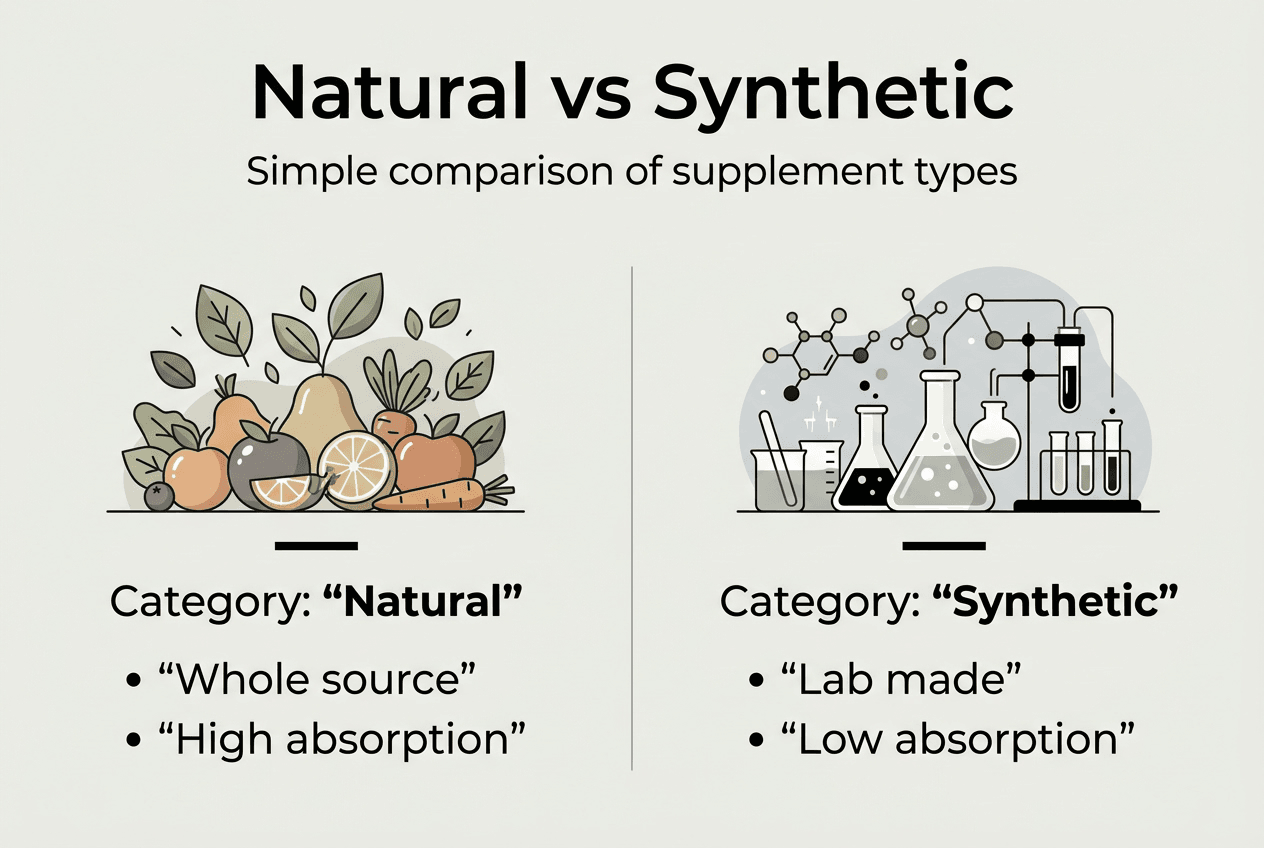
Natural supplements support liver detox naturally by providing antioxidants that neutralise free radicals generated during toxin processing. They supply amino acids needed for conjugation reactions and minerals required for enzyme function. This comprehensive support allows your body to eliminate toxins efficiently without overwhelming your system.
Pro Tip: When choosing natural supplements, look for products that specify their whole food sources on the label, such as “vitamin C from organic acerola cherry” rather than just “ascorbic acid.”
The fewer adverse effects associated with natural supplements make them ideal for long-term wellness programmes. You can take them consistently without worrying about accumulation or toxicity issues common with synthetic megadoses. Natural forms also tend to be gentler on your digestive system, reducing the stomach upset many people experience with synthetic vitamins. Understanding why to choose natural vitamins empowers you to make choices that truly support your health goals rather than merely treating deficiency symptoms.
How to spot synthetic ingredients in supplements and what to avoid
Identifying synthetic ingredients requires learning to read supplement labels with a critical eye. Manufacturers must list all ingredients, but they don’t always make it easy to distinguish natural from synthetic sources. The key lies in understanding ingredient naming conventions and recognising red flags that indicate chemical processing.
Common synthetic ingredients appear under specific chemical names that differ from their natural counterparts. Synthetic vitamin B12 uses cyanocobalamin, whilst natural forms include methylcobalamin or adenosylcobalamin. Folic acid signals a synthetic product, whereas natural folate or methylfolate indicates a superior source. Synthetic vitamin E appears as dl-alpha-tocopherol, with the “dl” prefix revealing its laboratory origin. Natural vitamin E uses d-alpha-tocopherol without the “l” isomer.
Synthetic ingredients to avoid:
- Artificial colours (tartrazine, brilliant blue, sunset yellow)
- Synthetic binders (magnesium stearate, stearic acid)
- Chemical preservatives (BHA, BHT, sodium benzoate)
- Cheap mineral forms (ferrous sulphate, calcium carbonate)
- Isolated synthetic vitamins (ascorbic acid without bioflavonoids)
Label terms often reveal synthetic origins even when not explicitly stated. Phrases like “pharmaceutical grade” or “USP grade” typically indicate synthetic production. Conversely, terms such as “whole food based,” “plant derived,” or specific source mentions (“from organic quinoa sprout”) suggest natural origins. Certain synthetic vitamins and additives are linked to inflammation and poor health outcomes when consumed long term.
Quality assessment checklist:
- Verify the supplement lists specific whole food sources for each nutrient
- Check for third-party testing certifications from independent laboratories
- Confirm the absence of artificial colours, flavours, and preservatives
- Look for organic certification when possible to avoid pesticide residues
- Research the manufacturer’s reputation and commitment to quality standards
- Ensure the product uses natural vitamin and mineral forms rather than synthetic versions
| Nutrient | Synthetic Form | Natural Form |
|---|---|---|
| Vitamin B12 | Cyanocobalamin | Methylcobalamin |
| Folate | Folic acid | Methylfolate, food folate |
| Vitamin E | dl-alpha-tocopherol | d-alpha-tocopherol complex |
| Vitamin C | Ascorbic acid alone | Whole food vitamin C with bioflavonoids |
| Iron | Ferrous sulphate | Iron from curry leaf, beetroot |
Pro Tip: Contact supplement manufacturers directly to ask about their sourcing and processing methods if label information seems unclear or incomplete.
Understanding why to use natural supplements helps you appreciate the importance of scrutinising ingredient lists. Learning about types of natural supplements explained further equips you to make informed decisions. When shopping, prioritise products from companies transparent about their ingredient sources and manufacturing processes. Avoid supplements with long lists of unpronounceable chemicals or those using harmful supplement ingredients that serve only as cheap fillers. Your health deserves better than laboratory-created compounds masquerading as nutrition.
Practical steps to switch safely to natural supplements for better health
Transitioning from synthetic to natural supplements requires a thoughtful, systematic approach rather than abrupt changes. Your body has adapted to whatever supplementation routine you currently follow, and sudden alterations can sometimes trigger temporary adjustment periods. A careful, informed strategy ensures you experience only positive outcomes from this important health upgrade.
Consulting healthcare professionals represents the crucial first step before modifying your supplement regimen. Your doctor or qualified nutritionist can review your current supplements, assess your health status, and identify any potential concerns with switching. They’ll consider your medications, existing health conditions, and nutritional needs to create a personalised transition plan. This professional guidance proves especially important if you take prescription medications that might interact with different supplement forms.
Transition action plan:
- Schedule a consultation with your healthcare provider to discuss your current supplement routine
- Research high-quality natural alternatives for each synthetic supplement you currently take
- Begin replacing one synthetic supplement at a time, starting with your most frequently used products
- Allow two to four weeks between each substitution to monitor your body’s response
- Keep detailed notes about any changes in energy, digestion, or overall wellbeing
- Adjust dosages as needed based on how you feel and professional recommendations
Monitoring your body’s signals during the transition helps you gauge whether the changes benefit your health. Positive signs include improved energy levels, better digestion, clearer skin, and enhanced mental clarity. Some people notice they need lower doses of natural supplements compared to synthetic versions due to superior absorption. However, temporary adjustment symptoms like mild fatigue or digestive changes can occur as your body adapts.
Signs to watch during your transition:
- Improved energy and vitality throughout the day
- Better sleep quality and more refreshing rest
- Enhanced digestive comfort and regularity
- Clearer thinking and improved concentration
- Any unusual symptoms that persist beyond two weeks
Pro Tip: Start a health journal to track your supplement changes, daily energy levels, sleep quality, and any symptoms you notice, creating a valuable record for you and your healthcare provider.
A careful, informed transition towards natural supplements optimises wellness benefits whilst minimising risks of adverse effects. Building a daily supplement routine with natural products supports your long-term health goals more effectively than synthetic alternatives. Remember that quality matters more than quantity when selecting natural supplements. Investing in premium products from reputable sources ensures you receive genuine nutritional value rather than wasting money on inferior formulations.
Learning to detox safely naturally complements your transition to natural supplementation. As you replace synthetic products with natural alternatives, your body’s detoxification systems function more efficiently. This creates a positive cycle where better supplementation supports improved detoxification, which in turn enhances your ability to absorb and utilise nutrients from your natural supplements.
Explore premium natural supplements and wellness kits at Oxyhealth
Your journey towards natural wellness deserves support from products you can trust completely. Oxyhealth specialises in premium natural supplements and comprehensive detox programmes designed specifically for health-conscious individuals who refuse to compromise on quality. Every product meets rigorous standards for purity, potency, and natural sourcing.
The natural supplements collection features carefully selected vitamins, minerals, and botanical formulations sourced from Global Healing, a respected leader in organic health products. These supplements provide complete nutrient profiles from whole food sources, ensuring optimal absorption and effectiveness. From methylated B vitamins to plant-based minerals, each product supports your body’s natural functions without synthetic additives or harmful fillers.
Available product categories for your wellness journey:
- Complete vitamin and mineral supplements from verified natural sources
- Targeted detox and cleansing formulations for liver and digestive support
- Organic superfoods and botanical extracts for daily nutritional enhancement
- Specialised health kits addressing specific wellness concerns
“Switching to natural supplements transformed my energy levels and overall wellbeing. The difference in quality and how my body responds is remarkable compared to the synthetic products I used previously.”
With same-day dispatch for orders placed before 2 p.m. and free delivery on purchases over £50, accessing premium natural supplements has never been easier. The 365-day satisfaction guarantee demonstrates Oxyhealth’s confidence in product quality and commitment to customer wellness. Explore the range today and experience the difference that genuine natural supplementation makes for your health.
Frequently asked questions
Are synthetic supplements harmful to everyone?
Synthetic supplements don’t necessarily harm every person who takes them, but they pose higher risks for certain individuals. People with compromised liver function, digestive sensitivities, or those taking multiple medications face greater potential for adverse effects. Even healthy individuals may experience reduced benefits compared to natural alternatives due to poor bioavailability and lack of synergistic cofactors. Choosing quality natural options reduces these potential risks whilst providing superior nutritional support.
How can I tell if a supplement is synthetic or natural?
Examine the ingredient list carefully for specific whole food sources like “vitamin C from acerola cherry” rather than just “ascorbic acid.” Synthetic supplements often list chemical names such as cyanocobalamin, folic acid, or dl-alpha-tocopherol without mentioning natural sources. Look for certifications indicating organic or whole food origins. Artificial colours, chemical preservatives, and long lists of unpronounceable additives typically signal synthetic production. Contact manufacturers directly if label information seems unclear or incomplete.
Is switching to natural supplements safe for people on medication?
Switching supplement types whilst taking prescription medications requires professional medical guidance to prevent potential interactions. Natural doesn’t automatically mean safe for everyone, as some botanical compounds can affect medication metabolism or effectiveness. Your healthcare provider can review your specific medications and health conditions to determine the safest transition approach. They’ll help you time the switch appropriately and monitor for any unexpected interactions. Never discontinue or change supplements without consulting your doctor first.
Can natural supplements support effective detoxification?
Natural supplements provide excellent support for your body’s inherent detoxification systems when chosen appropriately. They contain compounds that enhance liver enzyme function, boost glutathione production, and support both phase one and phase two detoxification pathways. Botanical extracts like milk thistle, dandelion, and turmeric work synergistically to promote natural cleansing processes more safely than synthetic alternatives. These whole food sources deliver antioxidants and cofactors that protect cells during toxin elimination. Learn more about how to support liver detox naturally for optimal wellness outcomes.