
Understand heavy metal detox for natural wellness in 2026
You’ve probably heard someone mention heavy metal detox in a wellness conversation, but what does it actually mean? The term gets thrown around casually, yet most people don’t grasp the biological processes involved or whether they even need to detox at all. This confusion leads to unnecessary worry and potentially risky practices. Understanding how your body naturally handles toxic metals, which supplements genuinely support detoxification, and when medical intervention becomes necessary empowers you to make informed wellness decisions. This guide breaks down the science, separates evidence from marketing, and provides practical advice for those genuinely concerned about heavy metal exposure.
Table of Contents
- What Is Heavy Metal Detox And How Does It Work?
- Natural Supplements And Dietary Agents In Heavy Metal Detox
- Medical Chelation Therapy Versus Natural Detox Approaches
- Applying Natural Heavy Metal Detox Safely And Effectively
- Explore Oxyhealth’s Natural Detox Solutions
- Frequently Asked Questions
Key takeaways
| Point | Details |
|---|---|
| Natural detox mechanisms | Your liver uses phase I and II pathways to process and eliminate toxic metals through urine and bile naturally. |
| Medical chelation limits | Chelation therapy carries serious risks like kidney damage and is FDA approved only for acute poisoning cases. |
| Supplement evidence gaps | Chlorella and spirulina show promise in preliminary studies, but robust clinical trials remain limited. |
| Safety first approach | Avoid detox during pregnancy or with kidney issues; always consult healthcare professionals before starting any protocol. |
What is heavy metal detox and how does it work?
Heavy metal detox refers to your body’s natural process of identifying, binding, and eliminating toxic metals like mercury, lead, and cadmium that accumulate through environmental exposure, food, and water. These metals interfere with cellular function and enzyme activity when they build up beyond safe levels. Your body didn’t evolve to handle the industrial quantities we encounter today, yet it possesses sophisticated mechanisms to manage moderate exposure.
Your liver serves as the primary detoxification centre, employing a two phase system to neutralise and prepare metals for elimination. Phase I enzymes modify toxic metals through oxidation and reduction reactions, making them more reactive but also more vulnerable to further processing. Phase II pathways then attach molecules like glutathione to these modified metals, creating water soluble compounds your kidneys can filter into urine or your liver can excrete through bile into faeces.
Glutathione plays the starring role in this process. This tripeptide molecule binds directly to toxic metals through its sulphur containing amino acid, forming stable complexes that your body recognises as waste. When glutathione levels drop, your detoxification capacity diminishes, allowing metals to accumulate in tissues. Supporting your body’s natural liver detox pathways becomes essential for maintaining this protective system.
The major excretion routes work together to remove bound metals:
- Urinary elimination filters water soluble metal complexes through your kidneys
- Biliary excretion moves fat soluble compounds through bile into your digestive tract
- Faecal elimination carries unabsorbed metals and bile contents out of your body
- Minor pathways include sweat, breath, and hair, though these contribute minimally
Common toxic metals your body encounters include mercury from fish and dental amalgams, lead from old pipes and paint, cadmium from cigarette smoke and industrial pollution, and arsenic from contaminated water and rice. Each metal has unique binding properties and tissue affinities, requiring different detoxification strategies.
Pro Tip: Your body detoxifies constantly without special protocols. Focus on supporting natural pathways through nutrition and lifestyle rather than aggressive interventions unless you have confirmed toxic exposure.
Natural supplements and dietary agents in heavy metal detox
Natural supplements and botanicals offer supportive mechanisms for enhancing your body’s innate detoxification capacity. These agents work through metal binding, chelation, antioxidant protection, and mineral displacement, providing gentler alternatives to pharmaceutical interventions for wellness maintenance.
Chlorella, a freshwater algae, contains cell wall components that bind toxic metals in your digestive tract, preventing reabsorption and promoting faecal elimination. Studies show it can reduce tissue accumulation when consumed regularly. Spirulina contains phycocyanin that chelates lead, mercury, and cadmium, offering protective effects demonstrated in animal research.

Cilantro (coriander leaf) mobilises metals from tissues, particularly mercury, though this action requires careful pairing with binding agents to prevent redistribution. Glutathione supplementation, especially in liposomal form, enhances bioavailability and directly supports phase II detoxification. Minerals like zinc and selenium displace harmful metals from enzyme binding sites while supporting antioxidant defences.
Probiotics influence heavy metal detoxification through multiple mechanisms. Certain bacterial strains bind metals in your gut, reducing absorption. Others produce compounds that support liver function and enhance elimination pathways. The gut microbiome’s role in detoxification continues to emerge as a critical factor in managing toxic exposure.
| Supplement | Primary Action | Evidence Level | Typical Dose |
|---|---|---|---|
| Chlorella | Binds metals in gut | Moderate (animal/small human studies) | 3-5g daily |
| Spirulina | Chelates via phycocyanin | Moderate (animal/preliminary human) | 3-5g daily |
| Cilantro | Mobilises tissue metals | Limited (case reports) | Fresh herb or extract |
| Glutathione | Direct phase II support | Growing (liposomal forms) | 500-1000mg daily |
| Zinc | Displaces toxic metals | Strong (mineral competition) | 15-30mg daily |
| Selenium | Antioxidant protection | Strong (mercury binding) | 100-200mcg daily |
Empirical evidence varies considerably across supplements. Spirulina reduces heavy metals and improves liver enzymes in some trials, while zeolite minerals increase urinary excretion of certain metals. However, most studies involve animals or small human cohorts, limiting definitive conclusions about efficacy and optimal dosing.
The quality and form of supplements dramatically affect absorption and effectiveness. Look for organic, tested sources free from contamination. Plant based supplements often provide superior bioavailability compared to synthetic alternatives. Understanding different types of detox supplements helps you choose appropriate options for your specific needs.
Pro Tip: Combine binding agents like chlorella with mobilising agents like cilantro to prevent metals from redistributing to sensitive tissues during detoxification.
Medical chelation therapy versus natural detox approaches
Medical chelation therapy and natural detox approaches occupy entirely different categories of intervention, with distinct purposes, mechanisms, and risk profiles. Understanding this distinction prevents dangerous confusion and inappropriate application of either method.
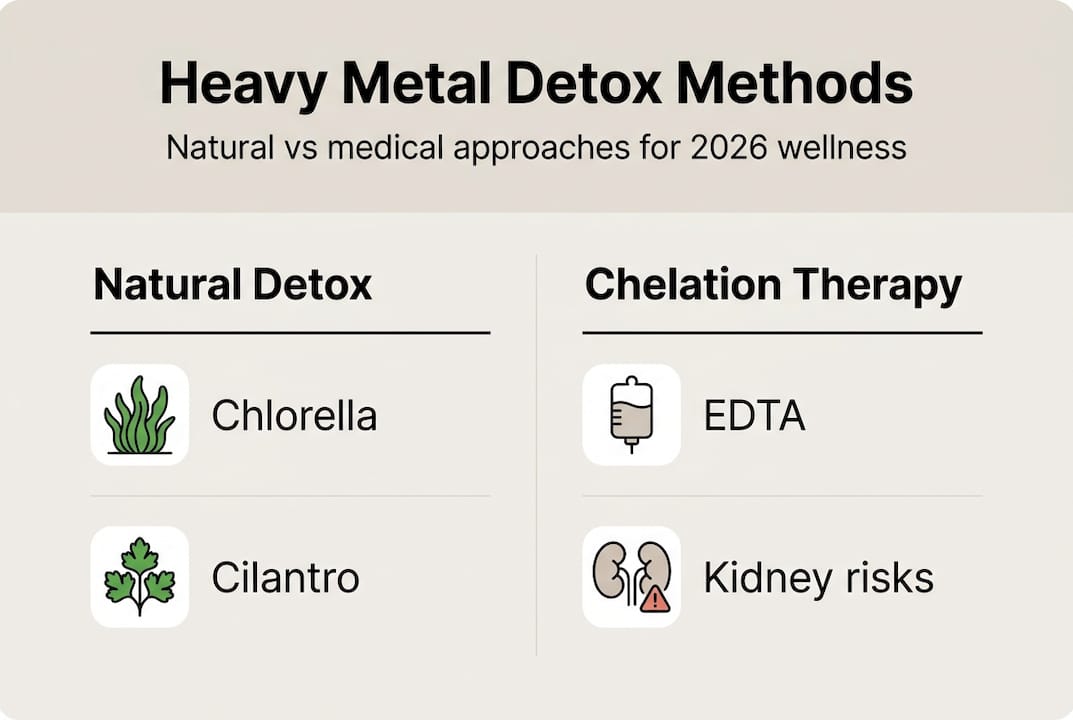
Chelation therapy uses pharmaceutical agents like EDTA, DMSA, and DMPS to form strong bonds with heavy metals, rapidly pulling them from tissues into circulation for urinary elimination. The FDA approved chelation only for acute poisoning cases where metal levels pose immediate health threats. These powerful drugs work quickly but carry significant risks.
The risks of pharmaceutical chelation include kidney damage from filtering high concentrations of metal chelate complexes, hypocalcemia and other mineral deficiencies as chelators bind essential nutrients alongside toxic metals, redistribution of metals to sensitive organs like the brain if protocols aren’t carefully managed, and adverse reactions ranging from nausea to cardiovascular events. Medical supervision remains absolutely essential.
Natural detox approaches work gradually through dietary compounds and supplements that gently support your body’s existing pathways. These methods lack the immediate power of pharmaceutical chelation but avoid the associated risks when used appropriately. Natural protocols promoted by naturopaths lack robust clinical trials, and mainstream medicine advises detox only with confirmed toxicity.
| Aspect | Medical Chelation | Natural Detox |
|---|---|---|
| Primary Use | Acute heavy metal poisoning | Wellness support, mild exposure |
| Mechanism | Pharmaceutical metal binding | Dietary support of natural pathways |
| Speed | Rapid (days to weeks) | Gradual (months) |
| Risks | High (kidney, minerals, redistribution) | Low to moderate (if used properly) |
| Supervision | Requires medical monitoring | Advisable but less critical |
| Evidence | Strong for poisoning cases | Limited, emerging |
| Regulatory Status | FDA approved for specific indications | Generally recognised as safe foods/supplements |
The key safety considerations include:
- Never use chelation therapy without confirmed heavy metal poisoning and medical supervision
- Natural approaches cannot replace medical treatment for acute toxicity
- Testing metal levels before and during any detox protocol guides appropriate intervention
- Gradual, supported detoxification minimises redistribution risks
- Professional guidance helps navigate the complex landscape of detox options
Oxyhealth offers a comprehensive heavy metal cleanse programme designed for those seeking natural support. Learning how to detox safely and naturally empowers you to make informed decisions aligned with your health status and goals.
Applying natural heavy metal detox safely and effectively
Implementing natural heavy metal detox requires a systematic, cautious approach that respects your body’s capacity and individual health circumstances. Following evidence based protocols while monitoring your response ensures safe, effective support of your natural detoxification systems.
A safe natural detox protocol follows these steps:
- Assess your exposure and symptoms through consultation with a healthcare provider, potentially including hair mineral analysis or blood testing
- Optimise foundational health by ensuring adequate hydration, nutrient status, and liver function before beginning active detox
- Introduce binding agents like chlorella or modified citrus pectin gradually, starting with low doses to assess tolerance
- Add mobilising agents cautiously only after establishing effective binding and elimination pathways
- Support phase II detoxification with glutathione precursors, antioxidants, and sulphur containing foods
- Monitor symptoms, energy levels, and any adverse reactions throughout the process, adjusting as needed
- Maintain the protocol for several months, as natural detoxification proceeds slowly compared to pharmaceutical methods
Critical warnings apply to specific populations. Avoid detox during pregnancy or with kidney issues without medical supervision, as mobilised metals can harm developing foetuses and compromised kidneys cannot handle increased elimination demands. Those with active infections, severe chronic illness, or recent surgery should postpone detox until their health stabilises.
Probiotics and mineral repletion play supporting roles throughout the process. Beneficial bacteria assist with gut binding and elimination, while ensuring adequate zinc, selenium, magnesium, and other minerals prevents deficiencies and supports enzyme function. Hydration facilitates urinary elimination and prevents concentration of toxins in your kidneys.
Supportive lifestyle practices enhance natural detoxification:
- Regular sauna bathing promotes sweat excretion of certain metals, particularly when combined with adequate mineral replacement
- Exercise increases circulation and lymphatic flow, supporting tissue mobilisation and elimination
- Stress management prevents cortisol interference with detoxification pathways
- Quality sleep allows your body to focus energy on repair and elimination processes
Natural heavy metal detox works best as a gradual, sustained practice rather than an aggressive short term intervention. Patience and consistency yield safer, more lasting results than rushed protocols.
Monitor for symptoms like fatigue, headaches, digestive changes, or mood shifts that might indicate metals mobilising faster than your body can eliminate them. Slowing the pace or increasing binding agents addresses these signals. Professional guidance from practitioners experienced in natural detox helps navigate challenges and optimise your protocol. Exploring safe detox at home provides additional practical strategies, whilst understanding how minerals support natural detoxification reinforces the importance of nutritional foundations.
Pro Tip: Keep a detailed journal tracking supplements, doses, symptoms, and energy levels throughout your detox journey. This record helps identify patterns and guides adjustments for optimal results.
Explore Oxyhealth’s natural detox solutions
Now that you understand the science and safety considerations behind natural heavy metal detox, you might wonder where to find quality supplements that support your wellness goals. Oxyhealth specialises in natural health products designed specifically for UK customers seeking evidence based detoxification support.
Frequently asked questions
What is heavy metal detox?
Heavy metal detox describes your body’s natural process of eliminating toxic metals like lead, mercury, and cadmium through liver biotransformation and excretion via urine, bile, and faeces. Natural supplements and dietary agents can support these pathways by binding metals, providing antioxidant protection, and enhancing elimination capacity.
Are natural supplements effective for heavy metal detox?
Some natural supplements like spirulina and chlorella demonstrate promise in preliminary animal and small human studies for binding metals and supporting elimination. However, the evidence base remains limited compared to pharmaceutical interventions. These supplements serve best as supportive adjuncts to natural detoxification rather than standalone treatments for confirmed toxicity.
Who should avoid heavy metal detox?
Pregnant women should avoid detox protocols entirely, as mobilised metals can cross the placenta and harm foetal development. Those with kidney impairment cannot safely process increased metal elimination. Anyone with active infections, severe chronic illness, or recent surgery should postpone detox until their health stabilises and consult healthcare professionals before beginning any protocol.
What risks are associated with chelation therapy?
Pharmaceutical chelation therapy carries significant risks including kidney damage from filtering concentrated metal complexes, depletion of essential minerals like calcium and zinc, potential redistribution of metals to sensitive organs, and various adverse reactions. The FDA approved these powerful drugs only for acute heavy metal poisoning cases requiring immediate medical intervention under close supervision.
Can I detox heavy metals at home safely?
You can support natural heavy metal elimination at home using evidence backed supplements, adequate hydration, mineral rich nutrition, and lifestyle practices like sauna bathing. Safety requires starting gradually, monitoring your response, avoiding detox during pregnancy or with kidney issues, and consulting healthcare professionals, especially if you suspect significant toxic exposure. A cautious, patient approach yields the best results.
Recommended
- How minerals support natural detoxification in 2026 – Oxyhealth
- Why use plant-based supplements for detox and wellness – Oxyhealth
- Chemical and Heavy Metal Cleanse Program - Global Healing – Oxyhealth
- Why Detox Matters for Modern UK Wellness – Oxyhealth
- Защо са важни минералите за здравето на жените през 2026 – Vitaminsflow