
How minerals support natural detoxification in 2026
Most people pursuing detox focus on trendy cleanses and supplements, yet miss the foundation: minerals. Your body’s detoxification machinery relies on trace minerals as essential cofactors for enzymatic reactions. Without adequate magnesium, selenium, zinc, and other key minerals, even the most rigorous detox protocol falls short. Research shows that mineral deficiencies directly impair liver detoxification capacity, yet many UK consumers remain unaware of this critical connection. This guide reveals which minerals matter most, how they work at cellular level, and how to optimise your mineral status safely for effective natural detoxification.
Table of Contents
- Essential Minerals And Their Roles In Detoxification Processes
- How Mineral Balance And Mineral Channels Affect Detoxification At The Cellular Level
- Assessing Mineral Status And Safely Supporting Detox With Mineral Supplements
- Common Pitfalls And Practical Tips For Optimising Mineral-Supported Detox In The UK
- Explore Oxyhealth’s Mineral Support Supplements For Detox
- FAQ
Key takeaways
| Point | Details |
|---|---|
| Minerals act as enzyme cofactors | Magnesium, selenium, and zinc enable detoxification enzymes to function properly in liver phases I, II, and III. |
| Electrolyte balance drives cellular detox | Mineral channels regulate ion flow, maintaining hydration and metabolic efficiency essential for toxin elimination. |
| Deficiencies sabotage detox efforts | Low mineral levels reduce glutathione synthesis and impair antioxidant defences, limiting detox capacity. |
| Supplement forms vary in absorption | Chelated minerals offer superior bioavailability compared to inorganic salts, making form selection crucial. |
| Professional guidance ensures safety | Serum analysis and tailored dosing prevent toxicity and optimise individual mineral-supported detox protocols. |
Essential minerals and their roles in detoxification processes
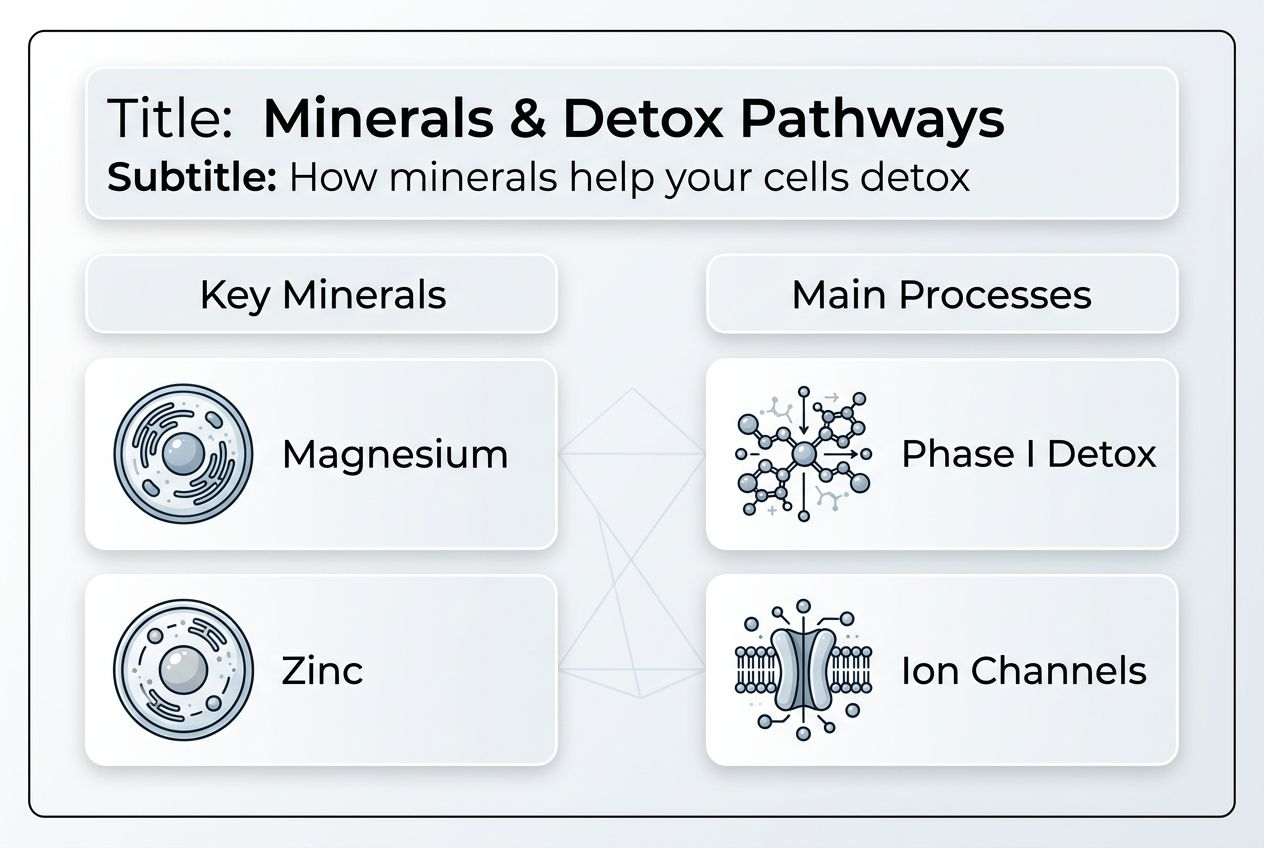
Your liver performs detoxification through three distinct phases, each requiring specific minerals like magnesium, selenium, and molybdenum as essential cofactors for enzyme function. Phase I involves cytochrome P450 enzymes that transform fat-soluble toxins into intermediate compounds. Magnesium activates over 300 enzyme reactions throughout this process, whilst selenium protects cells from oxidative damage generated during these transformations. Without adequate magnesium, Phase I slows dramatically, allowing toxins to accumulate.
Phase II conjugation requires minerals to bind toxins for elimination. Glutathione requires minerals like selenium and magnesium for synthesis and function, serving as your body’s master antioxidant. Zinc supports metallothionein production, which binds heavy metals for removal. Molybdenum aids sulfite detoxification by activating sulfite oxidase, an enzyme that converts harmful sulfites into safer sulfates. Copper deficiency disrupts this phase, as copper is essential for bile production that carries conjugated toxins from liver to intestines.
Phase III transport moves processed toxins out of cells through membrane channels. Manganese supports antioxidant defences via superoxide dismutase, protecting cell membranes during toxin export. This mineral also influences metabolic pathways that determine how efficiently your cells handle waste products.
Critical minerals and their detox functions:
- Magnesium: Activates detox enzymes, supports glutathione synthesis, regulates cellular energy for toxin processing
- Selenium: Powers glutathione peroxidase, protects against oxidative stress during Phase I reactions
- Zinc: Enables metallothionein production for heavy metal binding, supports immune function during detox
- Molybdenum: Activates sulfite oxidase for sulfur compound metabolism in Phase II
- Copper: Drives bile synthesis essential for toxin elimination through digestive tract
- Manganese: Supports superoxide dismutase activity, protects mitochondria during detoxification stress
| Mineral | Primary Detox Role | Key Enzymes Supported | Deficiency Impact |
|---|---|---|---|
| Magnesium | Phase I activation | Cytochrome P450 family | Slowed toxin transformation |
| Selenium | Antioxidant defence | Glutathione peroxidase | Oxidative cell damage |
| Zinc | Heavy metal binding | Metallothionein | Impaired metal elimination |
| Molybdenum | Sulfur metabolism | Sulfite oxidase | Sulfite toxicity |
| Copper | Bile production | Ceruloplasmin | Reduced toxin excretion |
| Manganese | Cellular protection | Superoxide dismutase | Mitochondrial stress |
Pro Tip: Combining minerals creates synergistic effects. Taking selenium with vitamin E enhances glutathione activity, whilst magnesium improves zinc absorption when taken separately from high-fibre meals.
The interplay between these minerals determines detoxification efficiency. A deficiency in one mineral creates bottlenecks that compromise the entire system. For instance, low selenium reduces glutathione effectiveness, even if other minerals are adequate. Understanding these relationships helps you support liver detox naturally through targeted mineral optimisation rather than generic supplementation.
How mineral balance and mineral channels affect detoxification at the cellular level
Cellular detoxification depends on mineral channels that regulate ion flow across cell membranes. These protein structures control sodium, potassium, calcium, and magnesium movement, maintaining electrical gradients essential for metabolism. Mineral channels regulate these ions to maintain electrical balance and metabolism, enabling cells to generate energy, communicate, and process waste efficiently.
Sodium-potassium pumps consume roughly 30% of cellular energy to maintain concentration gradients. This process drives nutrient uptake and waste removal, including toxin elimination. When mineral balance falters, these pumps lose efficiency. Cells become dehydrated, metabolic waste accumulates, and detoxification pathways stall. Magnesium stabilises these pumps, whilst potassium maintains intracellular fluid balance necessary for toxin dilution and transport.
Calcium channels trigger cellular signalling cascades that coordinate detoxification responses. When toxins enter cells, calcium influx activates protective mechanisms including antioxidant enzyme production and heat shock proteins. Proper calcium balance prevents excessive activation that could damage cells, whilst ensuring adequate response to toxic threats. Magnesium acts as a natural calcium channel blocker, preventing overstimulation.
Electrolyte functions in cellular detox:
- Sodium: Maintains extracellular fluid balance, drives nutrient-toxin exchange at cell membranes
- Potassium: Regulates intracellular hydration, supports enzyme function for metabolic detoxification
- Calcium: Triggers protective cellular responses, coordinates detox enzyme activation
- Magnesium: Stabilises membrane channels, prevents calcium overload, supports ATP production for detox energy
Disruptions in mineral balance impair metabolism and cellular communication, creating conditions where toxins persist. Low potassium causes cellular dehydration, concentrating toxins and reducing elimination efficiency. Magnesium deficiency allows excessive calcium entry, triggering inflammation and oxidative stress that compound toxic burden. These imbalances explain why some people experience fatigue, muscle cramps, or brain fog during detox protocols.
Pro Tip: Maintain electrolyte balance during detox by consuming mineral-rich bone broth, coconut water, or electrolyte solutions. This prevents the mineral depletion that often causes detox side effects like headaches and fatigue.
Mineral channel function directly impacts how effectively your cells handle toxin exposure. Optimising electrolyte status before starting intensive detox protocols reduces adverse reactions and improves outcomes. This cellular foundation supports cellular detox wellness more effectively than detox methods that ignore mineral balance.
Assessing mineral status and safely supporting detox with mineral supplements
Determining your mineral status requires more than guesswork. Serum analysis is key to diagnosing trace mineral imbalances, revealing deficiencies or excesses that affect detoxification capacity. Blood tests measure circulating mineral levels, whilst hair mineral analysis provides longer-term patterns. Red blood cell magnesium testing offers more accurate assessment than standard serum magnesium, as most magnesium resides intracellularly.
Supplement bioavailability varies dramatically by form. Chelated minerals are generally better absorbed than inorganic forms, with amino acid chelates like magnesium glycinate offering superior uptake compared to magnesium oxide. Picolinate and citrate forms also demonstrate enhanced absorption. Inorganic salts like sulfates and carbonates have lower bioavailability and may cause digestive discomfort at therapeutic doses.
Steps for safe mineral supplementation:
- Test baseline mineral status through serum analysis or comprehensive metabolic panels
- Identify specific deficiencies rather than supplementing broadly without evidence
- Select chelated or highly bioavailable forms matched to your absorption capacity
- Start with conservative doses and monitor symptoms, adjusting based on response
- Retest mineral levels after 8-12 weeks to assess effectiveness and prevent toxicity
- Coordinate timing to avoid mineral interactions that reduce absorption
Dosing requires professional guidance, as excessive mineral intake can be harmful and interfere with detoxification. High zinc intake depletes copper, whilst excess calcium blocks magnesium absorption. Iron supplementation without deficiency increases oxidative stress, counteracting detox benefits. Selenium toxicity occurs above 400 micrograms daily, causing hair loss and neurological symptoms.
| Supplement Form | Absorption Rate | Best For | Potential Issues |
|---|---|---|---|
| Chelated (glycinate, citrate) | High (30-40%) | Daily maintenance, sensitive digestion | Higher cost |
| Picolinate | High (25-35%) | Targeted deficiency correction | May cause nausea at high doses |
| Oxide, carbonate | Low (4-15%) | Budget-conscious, mild deficiency | Digestive discomfort, laxative effect |
| Liquid ionic | Variable (15-30%) | Rapid absorption needs | Taste, stability concerns |
Pro Tip: Take magnesium supplements in the evening to support relaxation and detoxification during sleep, when your body performs most cellular repair. Zinc is best absorbed on an empty stomach but may cause nausea, so take with a small snack if needed.
Balancing supplementation with dietary sources provides sustainable mineral support. Leafy greens supply magnesium, Brazil nuts offer selenium, and pumpkin seeds provide zinc. Whole food sources include cofactors that enhance absorption and reduce toxicity risk. Following a safe detox cleanse guide that incorporates both dietary and supplemental minerals optimises results whilst minimising risks.
Monitoring remains essential throughout supplementation. Track energy levels, sleep quality, muscle function, and digestive health as indicators of mineral status. Persistent fatigue or muscle cramps suggest ongoing deficiency, whilst metallic taste or digestive upset may signal excess. Adjusting based on these responses, alongside periodic testing, ensures you detox safely and naturally without mineral imbalances that could compromise health.
Common pitfalls and practical tips for optimising mineral-supported detox in the UK
Many UK consumers fall into the trap of over-relying on supplements whilst neglecting foundational lifestyle factors. Over-reliance on supplements without lifestyle changes limits detox benefits, as diet quality, physical activity, hydration, and toxin avoidance create the environment where minerals function optimally. Taking selenium supplements whilst consuming processed foods high in oxidative stress compounds wastes the mineral’s protective potential.
Supplement form selection matters more than most realise. Choosing magnesium oxide because it costs less delivers minimal absorbable mineral compared to glycinate or citrate forms. Mineral needs and absorption depend on diet, gut health, and individual factors, meaning generic recommendations often miss the mark. Poor gut health reduces mineral uptake regardless of supplement quality, requiring digestive healing before supplementation proves effective.
Common mistakes in mineral-supported detox:
- Supplementing without testing, leading to imbalances or wasted resources
- Ignoring dietary mineral sources in favour of pills alone
- Taking high doses of single minerals without considering interactions
- Starting intensive detox protocols without building mineral reserves first
- Neglecting hydration, which concentrates minerals and reduces cellular function
- Overlooking gut health issues that block mineral absorption
Pro Tip: Build your mineral stores for 2-4 weeks before starting any intensive detox protocol. This prevents the depletion and side effects that occur when detox mobilises toxins faster than your mineral-dependent systems can process them.
Practical optimisation starts with dietary foundation. Consuming detox superfoods like leafy greens, seeds, and mineral-rich vegetables provides bioavailable minerals with supporting nutrients. Cooking in cast iron adds supplemental iron, whilst using sea salt instead of refined table salt supplies trace minerals. Bone broth delivers minerals in highly absorbable forms alongside amino acids that support detoxification.
Timing supplementation strategically enhances absorption. Take minerals away from high-fibre meals, as fibre binds minerals and reduces uptake. Separate calcium and magnesium by several hours, as they compete for absorption. Vitamin D supplementation improves calcium absorption but may increase magnesium needs, requiring balanced intake of both.
Hydration amplifies mineral function by maintaining blood volume and cellular fluid balance. Aim for 2-3 litres of filtered water daily, increasing during active detox. Adding a pinch of sea salt to water supports electrolyte balance without excessive sodium. Herbal teas provide hydration plus plant compounds that support detoxification pathways.
Regular movement enhances mineral-supported detox through improved circulation and lymphatic flow. Exercise increases cellular demand for minerals whilst promoting their delivery to tissues. Sweating eliminates some toxins directly, though this also depletes minerals and requires replenishment. Gentle activities like walking, yoga, or swimming support liver detox naturally without excessive mineral loss.
Explore Oxyhealth’s mineral support supplements for detox
Now that you understand how minerals drive effective detoxification, choosing quality supplements becomes crucial. Oxyhealth offers specialised mineral supplements formulated specifically to support your body’s natural cleansing processes, sourced from trusted providers like Global Healing. Our range includes highly bioavailable chelated minerals designed for optimal absorption and effectiveness.
For comprehensive support, explore our health kits and cleanse programmes that combine minerals with complementary nutrients for complete detox protocols. These kits take the guesswork out of supplement selection, providing professionally formulated combinations. UK customers benefit from same-day dispatch on orders before 2 p.m. and free delivery over £50. Our cleanse and detox products are backed by a 365-day satisfaction guarantee, ensuring you can optimise your mineral status with confidence.
FAQ
What minerals are most important for supporting natural detox?
Magnesium, selenium, zinc, copper, molybdenum, and manganese play critical roles in detoxification enzymes and antioxidant systems. Adequate levels support liver function through all three phases of detoxification and enhance toxin elimination. These minerals work synergistically, so balanced intake proves more effective than focusing on single nutrients.
How can I safely determine if I need mineral supplements for detox?
Serum analysis provides the most reliable method to detect mineral imbalances, revealing specific deficiencies or excesses. Consult healthcare professionals to interpret results and create tailored supplement plans based on your individual status. Red blood cell testing offers more accurate assessment for intracellular minerals like magnesium compared to standard serum tests.
Can mineral supplements replace a healthy lifestyle during detox?
Supplements complement but cannot substitute for healthy lifestyle habits essential to effective detoxification. Diet quality, adequate hydration, regular physical activity, and toxin avoidance remain foundational for natural detox outcomes. Minerals enhance these efforts but fail to compensate when lifestyle factors undermine detoxification capacity.
What forms of mineral supplements absorb best for detox support?
Chelated minerals such as magnesium glycinate and zinc picolinate demonstrate superior bioavailability compared to inorganic forms. Individual absorption varies based on digestive health, existing deficiencies, and genetic factors affecting mineral metabolism. Professional guidance helps identify optimal forms and dosing for your specific needs and absorption capacity.
Recommended
- Role of Herbs in Detox – Natural Health Impact – Oxyhealth
- Role of Probiotics in Detox—Benefits for Natural Health – Oxyhealth
- What Is Detoxification? Natural Processes Explained – Oxyhealth
- How to Detox Safely: Achieve Natural Cleansing Results – Oxyhealth
- Mushroom Supplement Trends 2026: What Matters – LongevityBotanicals
- Natural supplements for brain health: 2026 guide – Cortex Supplements