
Top superfoods for energy: your practical guide
TL;DR:
- Consuming nutrient-dense superfoods like spinach, lentils, and fatty fish supports sustained energy levels through optimal nutrient pairing. Regular meal timing, hydration, and targeted snacks enhance the benefits, helping to reduce energy slumps and fatigue. Power pairing foods and consistent dietary choices build long-term vitality in conjunction with proper rest and hydration.
You already know the feeling. It’s 3pm, your focus has gone, and the temptation to reach for another coffee is very real. But caffeine is a loan, not a gift. The genuine solution lies in what you eat and when. Superfoods for energy, a term used loosely but practically to describe nutrient-dense foods that deliver measurable physiological benefits, can transform your vitality without the crash. This guide gives you a curated top-10 list built around real nutritional criteria, so you can make choices that actually work.
Key takeaways
| Point | Details |
|---|---|
| Protein at breakfast matters | Aim for 20–30g of protein at your first meal to stabilise blood sugar and reduce afternoon slumps. |
| Nutrient pairing amplifies results | Combining complex carbs with protein or healthy fats delays digestion and prevents energy crashes. |
| Iron and vitamin C work together | Pair iron-rich foods with vitamin C sources to maximise oxygen transport and reduce fatigue. |
| Hydration is part of energy | High-water foods and adequate fluid intake reduce your digestive load, freeing up energy. |
| Timing shapes your energy curve | Eating balanced meals at regular intervals matters as much as the foods themselves. |
What makes a superfood good for energy?
The word “superfood” has no official medical definition. What it practically describes are foods that are unusually dense in nutrients relative to their calorie count. When it comes to selecting the best energy-boosting foods specifically, a few criteria separate genuine performers from trendy noise.
Iron is the first thing to look for. Without enough iron, your blood cannot carry oxygen efficiently to your muscles and brain, and that produces the dragging, foggy fatigue many people mistake for laziness. Pairing iron-rich foods with a vitamin C source significantly improves absorption.
Protein deserves equal attention. 20 to 30 grams of protein at breakfast stabilises blood sugar throughout the morning and meaningfully reduces afternoon energy dips. Beyond breakfast, protein at every meal slows glucose absorption and prevents spikes and crashes.
Healthy fats and fibre round out the picture. Both slow digestion, extend satiety, and deliver a steadier supply of fuel to your cells. Combined with complex carbohydrates, they form what nutritionists call “power pairings.” Combining complex carbs with protein or fats delays gastric emptying and steadies blood glucose in a way that refined carbs simply cannot match.
- Look for foods with at least two of the following: iron, protein, fibre, healthy fats, or vitamin C
- Choose minimally processed options to reduce the digestive load on your body
- Consider timing: protein-rich foods in the morning, easily digestible options before exercise
Pro Tip: If you find your energy dipping every afternoon at the same time, it is almost certainly a breakfast protein issue. Swap a toast-and-jam breakfast for eggs or Greek yogurt and track the difference over a week.
Top 5 plant-based superfoods for energy
Plant-based options dominate any credible superfoods for energy list, largely because they deliver iron, fibre, and complex carbohydrates in combinations that suit sustained release.
1. Spinach
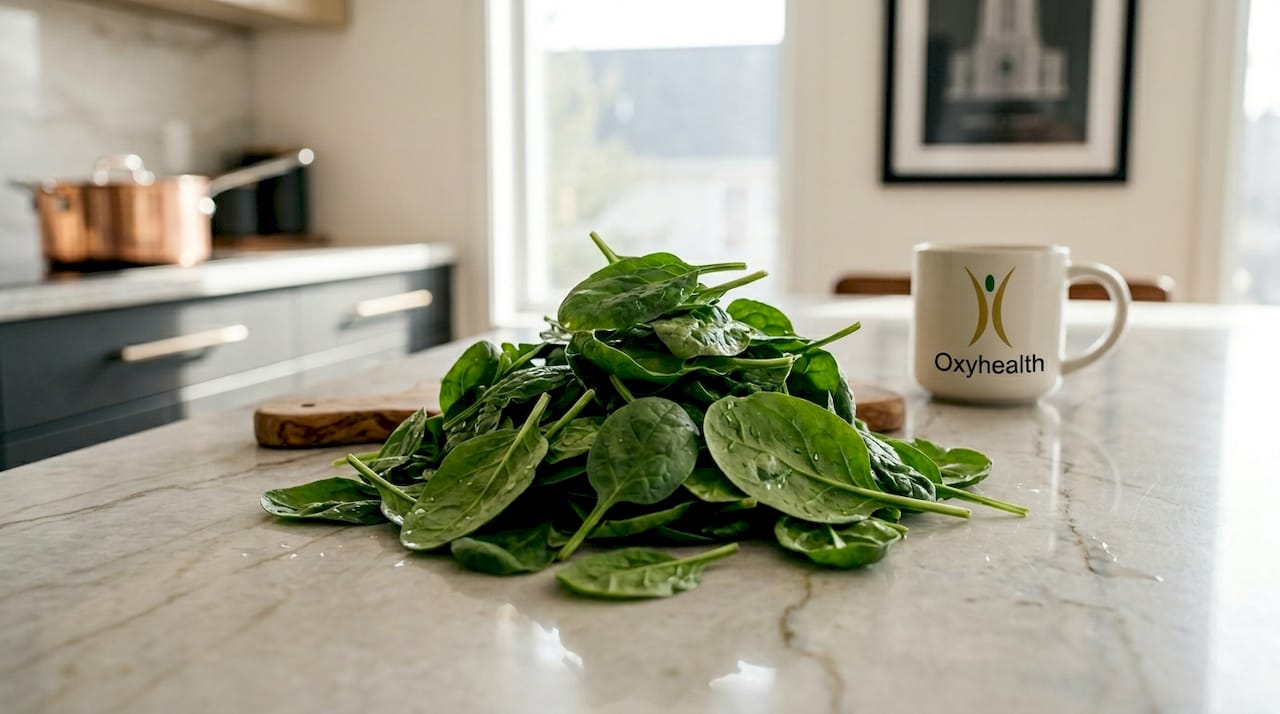
Spinach is one of the most efficient natural energy boosters in the plant kingdom. One cup of cooked spinach provides roughly 6 mg of iron, covering nearly 15% of your daily requirement. The vitamin C in spinach enhances that iron’s absorption directly. Add it to smoothies, stir through pasta, or wilt it into scrambled eggs to get the benefit without it dominating the dish.
2. Lentils
Lentils offer the kind of staying power that makes them a staple in endurance sports nutrition. A cup of cooked lentils supplies around 6 mg of iron alongside fibre and folate, making them ideal for anyone managing fatigue on a plant-based diet. Their slow digestion rate keeps blood sugar level for hours. Use them as a base for salads, blend into dhal, or add to soups.
3. Quinoa
Quinoa is one of the very few plant foods that qualifies as a complete protein, meaning it contains all nine essential amino acids. It also supplies magnesium, which supports muscle function and energy production at a cellular level. For athletes or anyone with an active routine, quinoa at lunch provides fuel that carries through the afternoon. It works well as a rice substitute or the base of a grain bowl.
4. Pumpkin seeds
Do not underestimate pumpkin seeds. A small handful delivers iron, magnesium, zinc, and healthy fats in one sitting. They are among the best snack-format nutrient-rich foods for energy precisely because they require zero preparation. Scatter them over porridge, mix into trail mix, or eat them plain as a mid-morning snack.
5. Chickpeas
Chickpeas combine protein, iron, and fibre in proportions that genuinely support both energy and digestive health. They are budget-friendly, widely available, and extraordinarily versatile. Roast them for a crunchy snack, blend them into hummus for a pairing with vegetables, or add them to curries and stews. The iron and protein from chickpeas also make them a practical choice for vegetarians and vegans managing iron intake.
Top 5 animal-based and alternative energy superfoods
6. Fatty fish
Salmon, mackerel, and sardines are among the top superfoods for vitality across both plant and animal kingdoms. Fatty fish reduces inflammation through its omega-3 fatty acids, and chronic low-grade inflammation is one of the most overlooked drivers of persistent fatigue. Beyond that, the protein content supports muscle repair and steady energy metabolism. Aim for two to three portions per week, whether grilled, baked, or added to salads. Understanding anti-inflammatory food choices becomes particularly relevant if fatigue is tied to muscle soreness or joint discomfort.
7. Eggs
Eggs are probably the most underrated energy-enhancing superfood on this list. One large egg delivers around 6 grams of high-quality protein along with choline, a nutrient most people consume in insufficient amounts that plays a direct role in brain signalling and mental energy. Two eggs at breakfast is a simple, affordable habit that pays back throughout the morning. The fat content also slows digestion and supports hormone production, both relevant to sustained energy.
8. Greek yogurt
Greek yogurt carries significantly more protein per serving than standard yogurt. A 150g portion typically provides 15 to 17 grams of protein alongside probiotics that support gut health. Since energy levels depend heavily on sleep, hydration, and nutrient absorption, a healthy gut is not a peripheral benefit. It directly improves your ability to extract fuel from food. Eat it at breakfast with seeds and berries or use it as a high-protein snack between meals.
9. Dates
Dates are a remarkable example of a food that provides quick energy without the instability of refined sugar. Their natural sugars come packaged with fibre, potassium, and magnesium, which slows absorption and supports nerve and muscle function simultaneously. Two or three Medjool dates before a workout provides accessible fuel. Pair them with a nut butter for sustained output rather than a brief spike.
10. Nut butters
Almond, cashew, or sunflower seed butter each deliver healthy fats and protein in a form the body digests slowly. Soaked almonds eaten in the morning are particularly easy to digest and provide steady fuel. Nut butters as a pairing food are especially powerful. A banana with sunflower seed butter combines quick carbohydrates with fats and protein for energy that lasts rather than spikes. This is power pairing in its simplest, most practical form.
Pro Tip: If you train in the morning, try two to three dates with a tablespoon of almond butter about 30 minutes before exercise. It provides rapid carbohydrates for fuel alongside fats that prevent an early crash.
Comparing the top 10 at a glance
| Superfood | Key nutrients | Digestive ease | Best meal context | Ideal pairing |
|---|---|---|---|---|
| Spinach | Iron, vitamin C | Easy | Breakfast, lunch | Eggs, lemon dressing |
| Lentils | Iron, protein, fibre | Moderate | Lunch, dinner | Tomatoes, rice |
| Quinoa | Complete protein, magnesium | Easy | Lunch, dinner | Roasted vegetables |
| Pumpkin seeds | Iron, magnesium, fats | Easy | Snack, breakfast | Yogurt, porridge |
| Chickpeas | Protein, iron, fibre | Moderate | Lunch, dinner, snack | Lemon, tahini |
| Fatty fish | Omega-3s, protein | Easy | Lunch, dinner | Leafy greens |
| Eggs | Protein, choline, fats | Easy | Breakfast | Spinach, wholegrain toast |
| Greek yogurt | Protein, probiotics | Easy | Breakfast, snack | Berries, seeds |
| Dates | Natural sugars, fibre, minerals | Easy | Pre-workout snack | Nut butter |
| Nut butters | Healthy fats, protein | Easy | Snack, breakfast | Banana, oat cakes |
Practical tips for getting the most from energy superfoods
Knowing which foods work is only part of the equation. How you use them determines whether you actually feel the difference.
- Eat at regular intervals. Skipping meals forces your body to manage unstable blood sugar on its own, and that always costs you energy. Three balanced meals with one or two snacks is a reliable framework for most people.
- Reduce caffeine dependency gradually. Caffeine borrows from tomorrow’s energy. Avoid caffeine within six hours of bedtime to prevent the sleep disruption that compounds fatigue over time. Replace afternoon coffee with a snack pairing instead.
- Prioritise hydration, especially in warm weather. High-hydration foods like watermelon and cucumber reduce your digestive load and help circulation during heat or periods of heightened fatigue. This is one of the most overlooked budget-friendly interventions for energy.
- Adjust for life stage. During menopause, prioritising high-protein superfoods such as Greek yogurt and lentils supports metabolism and muscle mass, both of which are crucial for sustaining energy as hormonal shifts occur.
- Add the role of B12 to your checklist. B12 deficiency is one of the most common and most missed causes of fatigue, particularly in people who eat little or no animal protein. If your energy does not improve with dietary changes, it is worth investigating.
- Look at digestion, not just diet. The nutrients in your food can only help if your body is absorbing them properly. Incorporating a detox and superfoods approach periodically can support the digestive function that underpins energy in the first place.
Pro Tip: The most overlooked budget superfood in the UK is canned sardines. Packed with omega-3s, protein, and calcium, they cost less than £1 a tin and keep indefinitely in the cupboard. Add them to toast with spinach for a genuinely energy-sustaining lunch.
My honest take on superfoods and sustainable energy
I’ve spent years researching nutrition and writing about health, and the single most useful shift in my thinking has been this: no food is magic on its own. I’ve tried the matcha phases, the spirulina smoothies, the adaptogen powders. Some of them helped. Most of them helped only because I was paying more attention to what I was eating in general.
What actually moved the needle for me was power pairing and consistent timing. Once I stopped eating carbohydrates in isolation and started building every meal around a protein or fat anchor, my afternoon energy dips largely disappeared. That is not a dramatic intervention. It is just biology working as it should.
The myth I encounter most often is the idea that you can eat your way to energy without addressing sleep and hydration. You cannot. As the research consistently shows, nutrient-dense foods are fuel, not a replacement for the fundamentals. Superfoods work best as part of a system, not as a shortcut.
My advice is to start with two or three foods from this list, incorporate them consistently for three to four weeks, and pay attention to your body’s response. Adjust from there. Sustainable energy is built slowly, through small, repeatable choices.
— John
Support your energy with Oxyhealth’s natural health range
Food is your foundation, but sometimes the body needs additional support to absorb and utilise nutrients effectively. That is where targeted supplementation becomes genuinely useful rather than optional.
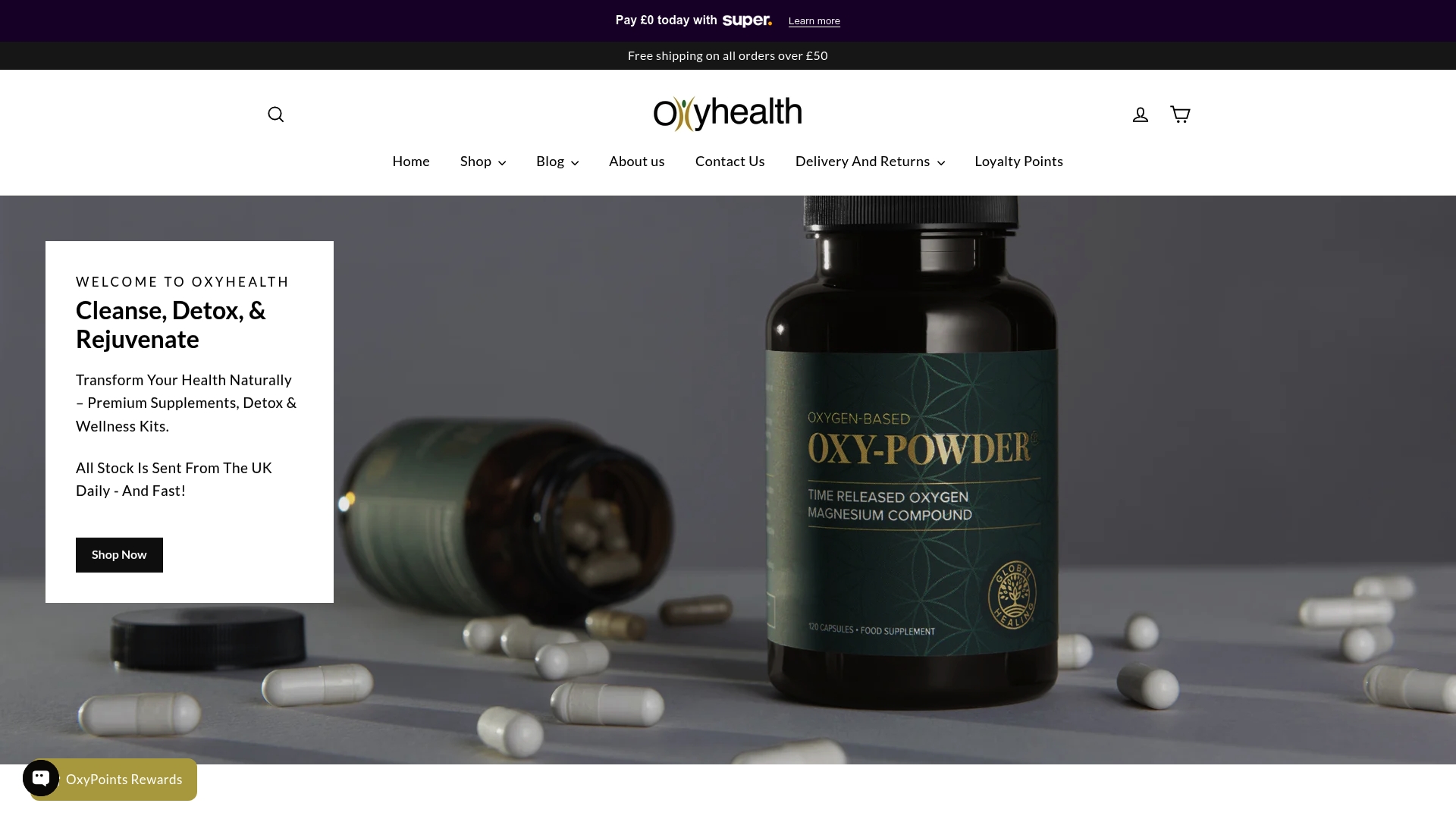
At Oxyhealth, the focus is on natural, organically sourced products that complement the kind of dietary improvements you have read about here. Their health kits and cleanse programmes are designed to support detoxification and digestive health, two factors that directly affect how well your body extracts energy from food. For those looking to address nutrient gaps more directly, their liquid vitamins range offers rapid-absorption formulas that are particularly suited to people dealing with fatigue from deficiencies. Oxyhealth ships same day for UK orders placed before 2pm and offers free delivery over £50, backed by a 365-day satisfaction guarantee.
FAQ
What are the best superfoods for energy?
The most effective energy-boosting superfoods include spinach, lentils, eggs, fatty fish, Greek yogurt, and pumpkin seeds. Each delivers a combination of iron, protein, healthy fats, or fibre that supports sustained energy rather than short-term spikes.
Do superfoods actually boost energy?
Yes, when chosen for their nutrient profiles. Foods high in iron support oxygen transport, while protein and healthy fats stabilise blood sugar. The word “superfood” has no official medical definition, but the underlying nutritional science is well established.
What should I eat to stop the afternoon energy slump?
Aim for 20 to 30 grams of protein at breakfast and avoid eating refined carbohydrates in isolation. A mid-afternoon snack such as a banana with nut butter combines quick carbohydrates with fats and protein to maintain steady energy levels.
Are plant-based superfoods as effective as animal-based ones?
Yes, particularly when paired correctly. Plant-based options like lentils, quinoa, and pumpkin seeds provide iron, complete protein, and magnesium. Pairing iron-rich plants with vitamin C sources significantly improves iron absorption and matches the benefit of animal sources.
How quickly will I notice a difference from eating energy superfoods?
Most people notice improved afternoon energy within one to two weeks of consistent dietary changes, particularly when protein intake at breakfast increases. The full benefit of reduced inflammation and improved gut health typically builds over four to six weeks.