
Top immune boosting supplements: expert list for UK
TL;DR:
- Choosing evidence-backed supplements like vitamin D, vitamin C, and zinc ensures effective immune support without unnecessary risks. Prioritize reputable brands that provide transparency, proper dosage, and third-party testing, especially when supplementing for deficiencies. Focus on foundational health habits, such as good nutrition, sleep, and stress management, rather than relying solely on “immune boosting” products.
The supplement aisle, whether physical or digital, is a minefield of bold claims and bewildering ingredient lists. Choosing the right immune support is genuinely difficult when every product promises to “supercharge” your defences and marketing budgets often outpace the science behind the formula. UK health-conscious shoppers deserve better than guesswork. This guide cuts through the noise with evidence-backed options, clear guidance on what actually works, and honest context about what the research really says, so you can spend your money wisely and support your health with confidence.
Table of Contents
- How to choose immune boosting supplements wisely
- Essential vitamins and minerals for healthy immunity
- Popular botanicals and fibres: what works?
- Comparing top immune supplements side by side
- Expert pro tips and situational picks
- The uncomfortable truth about “immune boosting” supplements
- Where to find trusted immune-boosting supplements
- Frequently asked questions
Key Takeaways
| Point | Details |
|---|---|
| Choose evidence-based supplements | Focus on nutrients with official UK guidance like vitamin D and zinc, rather than trendy blends. |
| Mind the dosage | Stick to recommended daily amounts and avoid high-strength supplements unless medically advised. |
| Botanicals are complementary | Use botanicals like elderberry and echinacea as add-ons, not substitutes for necessary nutrients or healthy habits. |
| Check for deficiencies first | Addressing specific nutrient deficiencies can make a bigger difference than general supplement use. |
| Consult professionals for safety | Always consult a healthcare provider if unsure about new supplements, especially for high-risk groups. |
How to choose immune boosting supplements wisely
Before you add anything to your basket, it pays to understand what separates a worthwhile supplement from an expensive placebo. The supplement market is largely unregulated compared to pharmaceuticals, which means manufacturers can make sweeping claims without the clinical trial data to back them up. Knowing what to look for protects both your health and your wallet.
Start with official UK guidance. Vitamin D is the most widely recommended supplement in this country, and for good reason. Vitamin D supplementation of 10 micrograms (400 IU) daily is advised for most UK adults, particularly during autumn and winter when sunlight is insufficient for the body to produce adequate amounts. The same guidance is clear that high doses above 100 micrograms (4,000 IU) daily carry real risks, including excess calcium in the blood, so more is definitely not better here.
Beyond vitamin D, the NHS Specialist Pharmacy Service notes that food supplements are generally safe when used as intended to complement a normal diet. Risk increases when supplements are used to treat medical conditions or when the product’s composition does not match what is stated on the label. This is why choosing reputable, transparent brands matters enormously.
Here is what to look for when evaluating any immune supplement:
- Evidence base: Is there published clinical research supporting the ingredient at the dose provided?
- Transparency: Does the label clearly list all ingredients and their amounts?
- Dosage alignment: Does the dose fall within UK or European health authority guidelines?
- Third-party testing: Has the product been independently verified for purity and potency?
- Health claims: Are the claims specific and substantiated, or vague and sweeping?
“An impressive ingredient list means nothing if the doses are too low to be effective or so high they become unsafe. Read the label like a scientist, not a marketing target.”
Guidance on optimising vitamin intake for UK adults and building a sensible supplement routine can help you build a safe, effective foundation. Understanding how immune system health interacts with supplement use is also worth exploring before committing to a new product.
Essential vitamins and minerals for healthy immunity
With a clear sense of what makes a supplement trustworthy, let’s explore the essential vitamins and minerals important for immune function.
The NIH Office of Dietary Supplements confirms that adequate intake of vitamins A, C, D, E, selenium, and zinc is critical for normal immune function, and that deficiencies in these nutrients can weaken immunity and increase susceptibility to infections. The key word is deficiency. Correcting a shortfall has a meaningful impact. Supplementing beyond adequate levels in an otherwise well-nourished person tends to offer diminishing returns.
Here is a closer look at the most important nutrients:
- Vitamin D: Supports the activation of immune cells, including T cells and macrophages. Most UK adults are deficient in winter, making this the single most important supplement for the season.
- Vitamin C: Contributes to normal immune defence by supporting cellular functions of both the innate and adaptive immune systems. It also reduces fatigue, which indirectly supports immune resilience.
- Zinc: Essential for the development and function of immune cells. Even mild zinc deficiency impairs immune response, and it is particularly relevant for older adults and those on plant-based diets.
- Selenium: Works as an antioxidant and supports the production of cytokines, the proteins that regulate immune responses. UK soil is relatively low in selenium, so dietary intake can be insufficient.
- Vitamin A: Maintains the integrity of mucous membranes, the body’s first physical barrier against pathogens.
| Nutrient | Key immune role | UK recommended daily intake | Common deficiency risk |
|---|---|---|---|
| Vitamin D | Immune cell activation | 10 mcg (400 IU) | High, especially in winter |
| Vitamin C | Antioxidant, immune defence | 40 mg | Moderate |
| Zinc | Immune cell development | 9.5 mg (men), 7 mg (women) | Higher in vegans |
| Selenium | Cytokine production | 75 mcg (men), 60 mcg (women) | Moderate in UK |
| Vitamin A | Mucosal barrier integrity | 700 mcg (men), 600 mcg (women) | Low in balanced diets |
Pro Tip: If you are unsure whether you are deficient in vitamin D or zinc, a simple blood test through your GP or a private clinic can give you a clear answer before you start supplementing. Targeted correction is always more effective than blanket supplementation.
Explore our vitamin benefits breakdown to understand how individual vitamins contribute to overall wellbeing, and discover how vitamins support healthy ageing if you are over 40. For a broader overview, our guide to types of immune supplements is a useful starting point. Research on nutritional effects on immunity provides further scientific context.
Popular botanicals and fibres: what works?
With the core nutrients covered, many are curious about popular botanicals and fibres. Let’s break down the evidence for these.
Botanical supplements occupy a fascinating but frustrating space in the immune health world. They are heavily marketed, widely purchased, and the evidence for them is genuinely mixed. That does not mean they are useless. It means you need to be precise about what you expect from them.

Elderberry is one of the most popular choices. Some studies suggest it may shorten the duration of cold symptoms by a day or two, but no evidence supports elderberry for actually preventing colds or flu. If you are hoping to avoid getting ill entirely, elderberry will not deliver that. If you want to potentially recover a little faster, it may offer modest benefit.
Echinacea has a slightly stronger and more consistent evidence base than elderberry. Some trials show it can reduce the severity of upper respiratory symptoms, though results vary considerably depending on the preparation, dose, and species of plant used. Echinacea purpurea tends to have the most supportive data.
Beta-glucans are soluble fibres found in oats, barley, and certain mushrooms. They are thought to activate immune cells called macrophages and natural killer cells. The science is promising, but effectiveness is highly preparation-specific. Not all beta-glucan products are created equal, and the dose matters considerably.
“Think of botanicals as complementary support, not a replacement for core nutrient intake. They work best when your nutritional foundations are already solid.”
- Elderberry: modest effect on symptom duration, not prevention
- Echinacea: some evidence for reduced severity, preparation matters greatly
- Beta-glucans: immune cell activation, dose and source are critical
- Garlic: some antimicrobial properties, limited clinical trial evidence for immune boosting
- Astragalus: traditional use, limited robust human trial data
Pro Tip: When buying botanical supplements, look for standardised extracts. This means the active compounds have been measured and guaranteed at a specific concentration, giving you a far more reliable and consistent product than a generic herbal powder.
Dive deeper into elderberry and echinacea specifically, or explore a broader range of botanical supplement types to find what suits your needs. For a look at potent botanical ingredients and how they are assessed, external research adds useful perspective.
Comparing top immune supplements side by side
Now that we understand the roles of vitamins, minerals, and botanicals, it is useful to compare these options side by side for practical decision-making.
The NIH ODS confirms that evidence is strongest for correcting nutrient deficiencies, particularly vitamin D and zinc, rather than for broad prevention in otherwise well-nourished people. Botanicals and probiotics may affect immune function but are not essential nutrients in the same way.
| Supplement | Primary benefit | Evidence strength | Best use case |
|---|---|---|---|
| Vitamin D | Immune cell activation | Strong | Winter supplementation for most UK adults |
| Vitamin C | Antioxidant, reduces fatigue | Moderate to strong | Daily maintenance, particularly for active individuals |
| Zinc | Immune cell development | Strong (for deficiency) | Vegans, older adults, those with poor dietary intake |
| Selenium | Antioxidant, cytokine support | Moderate | UK residents with low dietary selenium |
| Elderberry | Symptom duration reduction | Weak to moderate | Use during active cold symptoms |
| Echinacea | Symptom severity reduction | Moderate | Early onset of cold or respiratory illness |
| Beta-glucans | Immune cell activation | Moderate | Ongoing immune support alongside core nutrients |
| Vitamin A | Mucosal barrier integrity | Moderate | Those with restricted diets or absorption issues |
This table makes one thing clear. The most proven options are the least glamorous ones. Vitamin D, zinc, and vitamin C consistently outperform exotic botanicals in terms of evidence quality and reliability. Explore our immune health benefits hub for more detail, or browse our curated supplement options to find quality-assured products.
Expert pro tips and situational picks
With all major supplement categories and insider advice covered, let’s step back and consider how to personalise your approach based on your specific circumstances.
Different situations call for different priorities. Here is a practical numbered guide:
- Winter in the UK: Prioritise vitamin D at 10 micrograms daily. This is non-negotiable for most people between October and March.
- Plant-based or vegan diet: Zinc and vitamin B12 are the most common shortfalls. Add selenium if you are not eating Brazil nuts regularly (one or two per day covers your selenium needs naturally).
- Frequent traveller or high-stress lifestyle: Vitamin C and zinc together support immune resilience under physical and psychological stress.
- Older adults (over 65): Vitamin D, zinc, and selenium are all worth considering, as absorption and dietary variety often decline with age.
- Budget-conscious shoppers: Single-nutrient supplements are often more cost-effective than blended “immune support” formulas, and you know exactly what you are getting.
- Active cold or flu symptoms: Echinacea or elderberry may offer modest benefit if started at the very first sign of illness. They are not useful as long-term daily preventatives.
High-dose vitamin D supplementation carries genuine risk, including hypercalcaemia (excess calcium in the blood), particularly with long-term use above 100 micrograms daily. If you are considering doses above the standard maintenance level, a blood test first is strongly advisable.
Pro Tip: Keep a simple supplement diary for the first month of any new routine. Note how you feel, any changes in energy or sleep, and whether you notice any side effects. This makes it much easier to identify what is working and what is not.
Our daily supplement tips guide walks you through building a structured, effective routine that avoids common pitfalls.
The uncomfortable truth about “immune boosting” supplements
Here is something the wellness industry rarely admits: the phrase “immune boosting” is largely a marketing construct. Your immune system is not a muscle you can simply strengthen with a pill. It is an extraordinarily complex network of cells, proteins, and signalling pathways that requires balance, not amplification.
We see this play out constantly in the supplement market. A product with ten botanical ingredients and a striking label gets far more attention than a plain vitamin D capsule, despite the latter having vastly superior evidence. Consumer supplement lists can sound authoritative but often overgeneralise modest or mixed evidence for botanicals like echinacea and elderberry. Assuming “immune boosting” equals cold and flu prevention is a leap the science simply does not support.
What genuinely moves the needle on immune health? Correcting deficiencies, maintaining a varied diet rich in vegetables and whole foods, getting consistent quality sleep, managing chronic stress, and exercising regularly. These foundations are less exciting than a premium supplement blend, but they are where the real impact lives.
That said, we are not dismissing supplements. For many UK residents, particularly those with limited sun exposure, dietary restrictions, or higher nutritional needs, targeted supplementation is genuinely valuable. The key is ingredient-by-ingredient scrutiny rather than trusting a brand’s “proprietary blend.” Explore the evidence on supplement types to sharpen your own critical eye before making purchasing decisions.
Where to find trusted immune-boosting supplements
If you have read this far, you already have a significant advantage over most supplement shoppers. You know what the evidence actually supports, which nutrients to prioritise, and how to read a label critically.
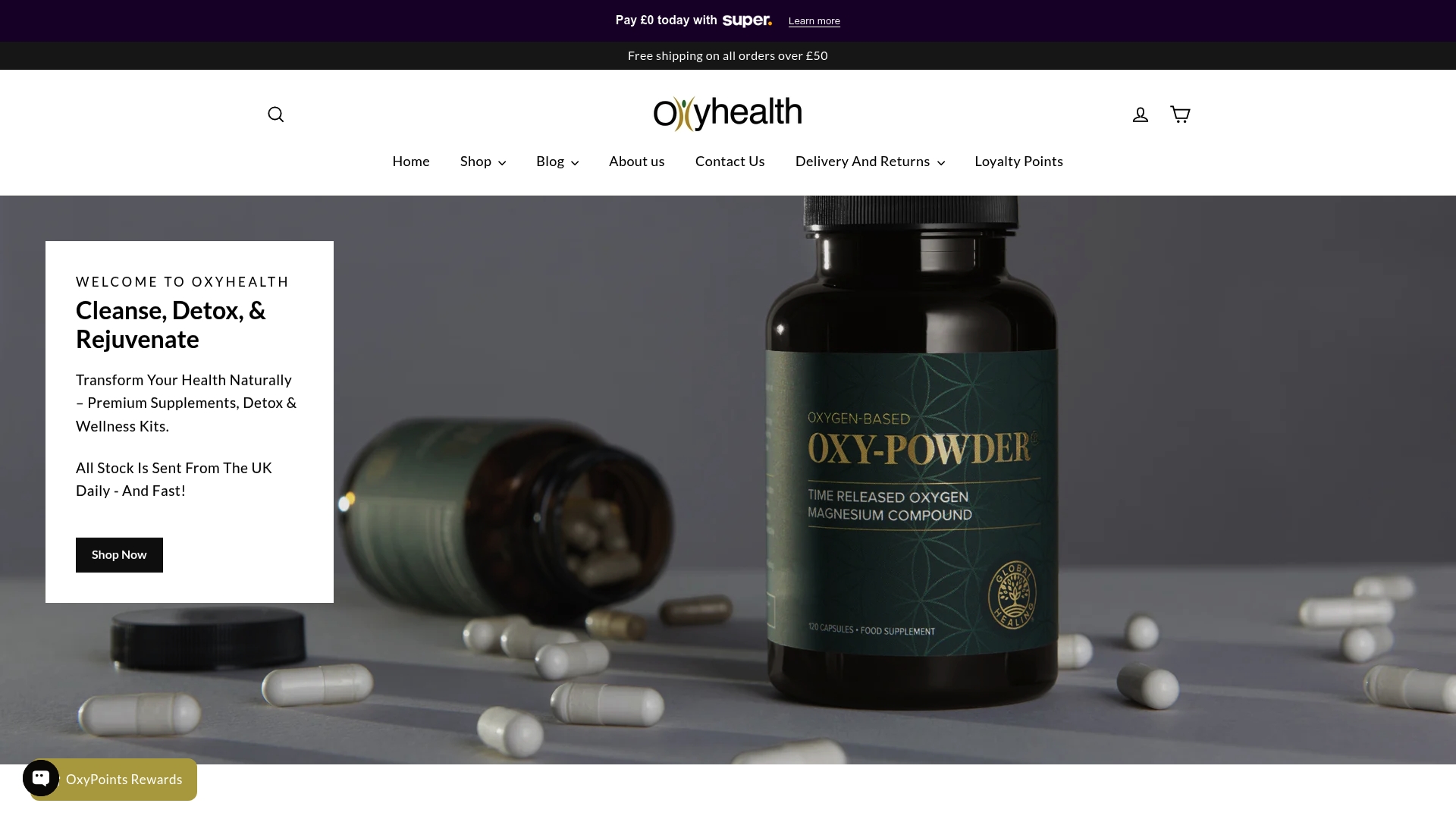
At Oxy Health, we stock a carefully curated range of immunity supplements sourced from Global Healing, a trusted provider of organic and natural health products. Every product is selected with transparency and quality assurance in mind, and our 365-day satisfaction guarantee means you can shop with genuine confidence. We also offer wellness health kits that combine complementary products for a more complete approach to immune and overall health support. Orders placed before 2 p.m. are dispatched the same day, with free delivery on orders over £50 across the UK.
Frequently asked questions
Which immune supplement is best for winter in the UK?
Vitamin D is recommended for most UK adults during autumn and winter due to limited sunlight exposure; the standard guidance is 10 micrograms (400 IU) daily for general immune and bone health support.
Can immune boosting supplements prevent colds and flu?
No supplement can guarantee prevention; no evidence supports elderberry for preventing colds, and most botanicals at best offer modest reductions in symptom duration or severity rather than true prevention.
Are high-strength immune supplements safer or more effective?
Higher doses are not more effective and can be harmful; high-dose vitamin D above 100 micrograms daily long-term risks excess calcium in the blood and should not be taken without medical supervision.
What is the safest way to introduce new immune supplements?
Introduce one supplement at a time at the recommended dose, and the NHS Specialist Pharmacy Service advises consulting your GP if you have an underlying health condition or are considering supplements to address a specific medical concern.
Is there any benefit to multivitamins vs. single-nutrient supplements for immunity?
Multivitamins can address several gaps at once, but deficiencies in specific nutrients like vitamin D or zinc are better corrected with targeted single-nutrient supplements where you can control the dose precisely.