
Discover the real benefits of probiotics for your health
TL;DR:
- Probiotics are strain-specific microorganisms that may support gut health but do not boost overall wellness universally.
- Choosing products with verified strains, appropriate CFU counts, and clinical evidence ensures more effective and targeted use.
Probiotics are everywhere: on supermarket shelves, in wellness blogs, and in the advice of well-meaning friends. Yet the widespread belief that any probiotic supplement will boost your overall health is one of the most persistent misconceptions in the natural health space. The reality, as NHS guidance confirms, is that probiotics are strain and condition-specific live microorganisms, and the evidence for many general health claims remains limited. This guide cuts through the noise to explain what probiotics genuinely do, what they cannot do, and how to make choices that actually serve your health goals.
Table of Contents
- What are probiotics and how do they work?
- Proven health benefits: what do we really know?
- Why product choice and strain matter
- Safety, risks, and choosing wisely
- A practical UK perspective: why personalised, evidence-led use trumps hype
- Find quality probiotics and wellness solutions
- Frequently asked questions
Key Takeaways
| Point | Details |
|---|---|
| Strain-specific action | Probiotic effects depend entirely on the strain and matching clinical evidence, not broad categories. |
| Best for gut symptoms | The strongest research links probiotics to improvements in certain digestive symptoms, not general health boosting. |
| Check product evidence | Choose probiotic products with documented strain identification and human trial backing matching your health concern. |
| Safe for most people | Most people can safely use probiotics, but consult professionals if you have underlying health issues or immune concerns. |
| Be a critical consumer | To get real results, focus on product quality, try targeted strains, and avoid hype-driven general claims. |
What are probiotics and how do they work?
Probiotics are live bacteria and yeasts that, when consumed in adequate amounts, confer a health benefit on the host. That definition sounds straightforward, but the science behind it is far more nuanced than most product labels suggest.
Your gut is home to trillions of microorganisms, collectively known as the gut microbiome. When this ecosystem falls out of balance, whether through illness, antibiotics, stress, or poor diet, certain probiotic strains can help restore equilibrium. But the key word is “certain.” Not every strain does the same job, and not every product delivers what it promises.
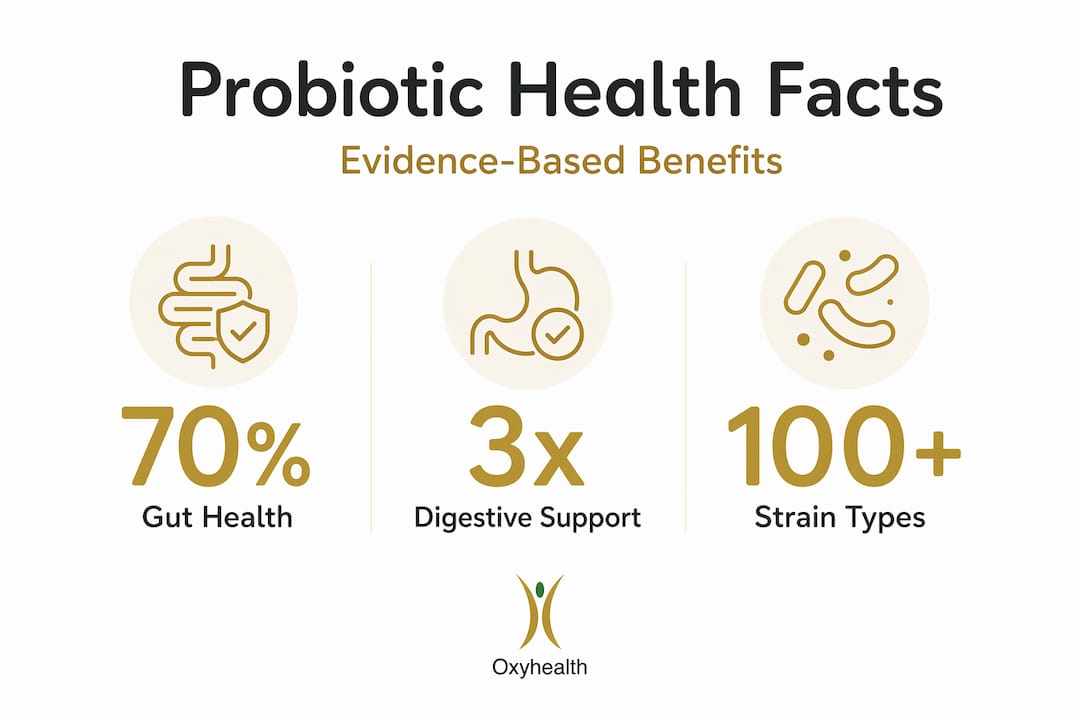
Mechanistically, probiotics may reinforce the gut barrier, outcompete harmful bacteria, produce antimicrobial compounds, and influence immune responses. All of these effects are strain-dependent. Think of it like choosing a tradesperson: a plumber and an electrician are both skilled professionals, but you would not call a plumber to rewire your home. Similarly, Lactobacillus rhamnosus GG has strong evidence for reducing antibiotic-associated diarrhoea, while Bifidobacterium longum has been studied for different concerns entirely.
Here is a summary of the main proposed mechanisms:
- Gut barrier reinforcement: Some strains strengthen the lining of the intestinal wall, reducing the risk of harmful substances passing into the bloodstream.
- Competitive exclusion: Beneficial bacteria compete with harmful microbes for space and nutrients, effectively crowding them out.
- Antimicrobial compound production: Certain strains produce short-chain fatty acids and bacteriocins, which inhibit the growth of pathogens.
- Immune modulation: Probiotics can interact with immune cells in the gut lining, potentially influencing inflammatory responses throughout the body.
Understanding how probiotics work at the strain level is the single most important step towards choosing a product that will actually help you. Without this knowledge, you are essentially guessing.
If you are curious about how probiotics fit into detox and broader cleansing protocols, it is worth exploring how gut health and detoxification are connected before adding a new supplement to your routine.
Proven health benefits: what do we really know?
The research on probiotics is genuinely impressive in some areas and surprisingly thin in others. Understanding this distinction is what separates an informed consumer from one who is simply responding to marketing.

Where the evidence is strongest
Gastrointestinal health is where probiotics have earned their credibility. A substantial body of research, including several large meta-analyses, points to meaningful benefits for specific digestive conditions. Digestive health evidence is strongest for risk reduction in diarrhoea, nausea, epigastric pain, bloating, and some improvement in IBS symptoms.
Here is a breakdown of the most well-supported benefits, ranked by strength of evidence:
- Antibiotic-associated diarrhoea: Taking specific probiotic strains alongside a course of antibiotics can significantly reduce the risk of diarrhoea, one of the most consistent findings across multiple trials.
- Traveller’s diarrhoea: Certain strains, particularly Saccharomyces boulardii, show reliable preventive effects when taken before and during travel.
- IBS symptom management: Meta-analyses show improvements in bloating, abdominal discomfort, and stool consistency for some IBS sufferers, though not universally.
- Infectious diarrhoea duration: Probiotics appear to shorten the duration of acute infectious diarrhoea, particularly in children.
- Nausea and epigastric pain: Some evidence supports probiotic use for reducing upper gastrointestinal discomfort, particularly in combination with conventional treatment.
Where the evidence is weaker
Many products make sweeping claims about “boosting immunity,” “improving mental clarity,” or “enhancing overall wellness.” These are areas where the science is either preliminary, mixed, or simply absent for most commercial formulations.
Crucially, probiotics do not reliably increase gut microbiome diversity in healthy adults. This is a significant finding because many brands market their products specifically on this premise. If you are already healthy and eating a varied diet, adding a probiotic supplement is unlikely to meaningfully change the composition of your gut microbiome.
| Health claim | Evidence strength | Notes |
|---|---|---|
| Reducing antibiotic-associated diarrhoea | Strong | Strain-specific, well-replicated |
| IBS symptom relief | Moderate | Varies by individual and strain |
| Immune system support | Weak to moderate | Mostly short-term, small studies |
| Increasing gut diversity | Weak | No significant effect in healthy adults |
| Mental health improvement | Preliminary | Promising but not conclusive |
| Weight management | Very weak | Insufficient evidence for most strains |
Exploring evidence-based probiotic strains that are formulated with clinical backing is a far more reliable approach than reaching for the cheapest option on the shelf. You might also find it useful to review natural wellness tips that complement a probiotic routine with diet and lifestyle adjustments.
Why product choice and strain matter
This is where many well-intentioned supplement buyers go wrong. Two products can both be labelled “probiotics” and contain billions of colony-forming units (CFUs), yet deliver completely different outcomes. The difference comes down to strain identity, formulation quality, and whether the product has been tested in clinical conditions relevant to your health concern.
Strain specificity: the non-negotiable factor
Every probiotic strain has a three-part name: genus, species, and strain designation. For example, Lactobacillus acidophilus NCFM is a specific strain with its own body of research. A product that simply lists Lactobacillus acidophilus without the strain designation may contain a completely different variant with no clinical evidence behind it.
UK consumer guidance now explicitly urges consumers to match products to specific strains and trial evidence, rather than relying on general claims. This is not pedantry; it is the difference between a supplement that works and one that does nothing.
NHS guidance reinforces this point: probiotic evidence is strain and product-specific, and commercial formulas may not reflect the strains or doses used in studies. A product with ten billion CFUs of an unstudied strain is not equivalent to one with one billion CFUs of a well-researched strain.
What to look for when evaluating a product
- Full strain identification: Look for genus, species, and strain code on the label.
- CFU count at end of shelf life: Some products list CFUs at manufacture, not at expiry. The count at the time of consumption matters more.
- Storage requirements: Many strains require refrigeration to remain viable. Check whether the product has been stored and shipped appropriately.
- Clinical evidence for your condition: Search for studies using that specific strain for your health concern, not just general probiotic research.
- Third-party testing: Independent verification of strain identity and potency adds a meaningful layer of assurance.
Pro Tip: When comparing probiotic products, search for the exact strain name alongside your health concern in a medical database. If you cannot find at least one human clinical trial, treat the product’s claims with scepticism.
Products like Ultimate Probiotic and Latero-Flora are worth examining in this context, as they provide clear formulation details that allow for this kind of informed comparison. For a broader understanding of what separates quality supplements from inferior alternatives, our supplement quality guide is an excellent starting point.
Safety, risks, and choosing wisely
For the vast majority of healthy adults, probiotics are considered safe. Side effects, when they do occur, are typically mild and temporary: bloating, gas, or a brief change in bowel habits as the gut adjusts. These usually resolve within a few days of starting a new supplement.
However, safety is not universal. Probiotics are usually safe for healthy people, but immunocompromised individuals should consult clinicians before use. This includes people undergoing chemotherapy, those with HIV, organ transplant recipients, and anyone taking immunosuppressant medication. In rare cases, live bacteria in probiotic supplements have caused infections in highly vulnerable individuals.
Safe selection habits worth adopting
- Read the label carefully: Avoid products with vague descriptions like “proprietary blend” that do not disclose individual strain quantities.
- Start with one strain: If you are new to probiotics, begin with a single, well-researched strain rather than a complex multi-strain formula. This makes it easier to assess your response.
- Introduce gradually: Start with a lower dose and increase over one to two weeks to allow your gut to adjust without discomfort.
- Check for allergens: Some probiotic products contain dairy, soy, or gluten-derived ingredients. Always check if you have known sensitivities.
- Be consistent: Probiotics generally need to be taken regularly over several weeks before any meaningful effect is observed. Sporadic use is unlikely to produce results.
Pro Tip: Keep a simple food and symptom diary for the first four weeks of taking a new probiotic. Noting changes in digestion, energy, and general wellbeing gives you real data to assess whether the product is working for you.
If you are working on a broader wellness plan, understanding how to approach optimising nutrient intake alongside probiotics can make a significant difference. It is also worth exploring why choosing natural supplements from reputable sources matters more than most people realise.
A practical UK perspective: why personalised, evidence-led use trumps hype
Here is something most probiotic guides will not tell you: the supplement industry has a vested interest in keeping the conversation vague. Broad claims like “supports gut health” or “boosts your immune system” are not just unhelpful; they actively prevent consumers from making genuinely informed choices.
The uncomfortable truth is that most people buying probiotics in the UK are doing so based on marketing language rather than evidence. They pick a product because it has a high CFU count, a recognisable brand, or a colourful label. None of these factors reliably predict whether a product will work for their specific concern.
What actually works is treating probiotics the way you would treat any targeted intervention. Evidence-matched probiotic use means identifying your specific health concern, finding the strain or strains with clinical evidence for that concern, verifying that the product contains those strains at studied doses, and then assessing your own response over a defined period.
This approach requires more effort than grabbing a bottle from the pharmacy shelf. But it is the only approach that consistently delivers results. The trial-and-learn mindset is not a compromise; it is the most sophisticated strategy available given the current state of the science.
We also believe that UK consumers are better served by honest conversations about what probiotics cannot do. They are not a replacement for a varied diet rich in prebiotic fibre. They are not a cure for chronic disease. And they are not equally effective for everyone. Acknowledging these limitations is not pessimistic; it is what allows you to use probiotics intelligently rather than hopefully.
Exploring wellness and detox trends in the broader context of gut health can also help you build a more complete picture of where probiotics fit within a thoughtful, evidence-conscious lifestyle.
Find quality probiotics and wellness solutions
Choosing the right probiotic becomes far less daunting when you have access to products that are transparent about their formulations and backed by clear quality standards.
At Oxyhealth, we stock a carefully selected range of premium probiotic supplements sourced from trusted natural health providers, with clear strain identification and honest product descriptions. Whether you are looking for targeted digestive support or a broader approach to gut health, our wellness kits offer curated solutions designed with informed consumers in mind. With same-day UK dispatch for orders placed before 2 p.m. and free delivery on orders over £50, taking the next step towards better gut health has never been more straightforward. Visit Oxyhealth to explore our full range.
Frequently asked questions
Can probiotics help with bloating or irritable bowel syndrome (IBS)?
Some probiotic strains have shown genuine benefits for bloating and IBS symptoms, but results are highly strain-specific and vary between individuals. Meta-analyses confirm IBS symptom improvements in some trials, though not universally across all products.
Are probiotics safe for everyone?
Most healthy adults can take probiotics without concern, but those with weakened immune systems or serious underlying conditions should seek medical advice first. Immunocompromised individuals face a small but real risk and should always consult a clinician before starting.
Do probiotics increase healthy gut bacteria in everyone?
No. Contrary to popular belief, probiotics do not reliably increase gut microbiome diversity in healthy adults, even when taken consistently over several weeks.
How can I tell if a probiotic is right for my needs?
Look for clear strain identification on the label and verify that clinical trials exist for that specific strain and your health concern. UK consumer guidance specifically recommends matching strain evidence to individual conditions rather than trusting general wellness claims.
Can I take probiotics alongside other supplements?
Probiotics can generally be taken alongside other supplements without issue, though it is sensible to check for ingredient overlaps and introduce new products one at a time. For complex supplement regimens, seeking advice from a qualified health professional is always the wisest approach.
Recommended
- Role of Probiotics in Detox—Benefits for Natural Health – Oxyhealth
- Prostate Health - Organic, Supports Prostate Function - Global Healing – Oxyhealth
- Ultimate Probiotic- 100 Billion CFUs - Probiotic - Global Healing – Oxyhealth
- Swedish Nutra Encapsulated Probiotics - Helps Maintain A Healthy Gut – Oxyhealth