
Unlock radiant skin: the role of skin nutrition in 2026
Your skin reflects what you feed it. While countless skincare products promise transformative results, the real secret to radiant skin lies in what you consume daily. Nutrition directly influences skin repair, hydration, and overall appearance, yet many people overlook this fundamental connection. This guide explores how specific nutrients support skin health, which natural food sources deliver the best results, and how supplements and hydration fit into a holistic approach. You’ll discover practical strategies to nourish your skin from within, achieving a natural glow that no topical product can replicate alone.
Table of Contents
- Understanding The Role Of Nutrition In Skin Health
- Key Nutrients And Their Natural Dietary Sources For Glowing Skin
- Supplements And Hydration: Enhancing Skin Nutrition Effectively
- Practical Skin Nutrition Tips For Daily Life And Holistic Wellness
- Explore Leading Skin Nutrition Products And Wellness Kits
- Frequently Asked Questions
Key takeaways
| Point | Details |
|---|---|
| Essential nutrients drive skin repair | Vitamins C, E, A, zinc, and omega-3 fatty acids support collagen synthesis, antioxidant protection, and cellular renewal for healthy skin. |
| Hydration transforms skin appearance | Adequate water intake and moisture-retaining nutrients significantly improve skin elasticity and radiance. |
| Supplements complement dietary choices | Well-chosen supplements can fill nutritional gaps but work best alongside a balanced, nutrient-rich diet. |
| Natural food sources optimise absorption | Whole foods provide bioavailable nutrients that your body absorbs more effectively than isolated compounds. |
Understanding the role of nutrition in skin health
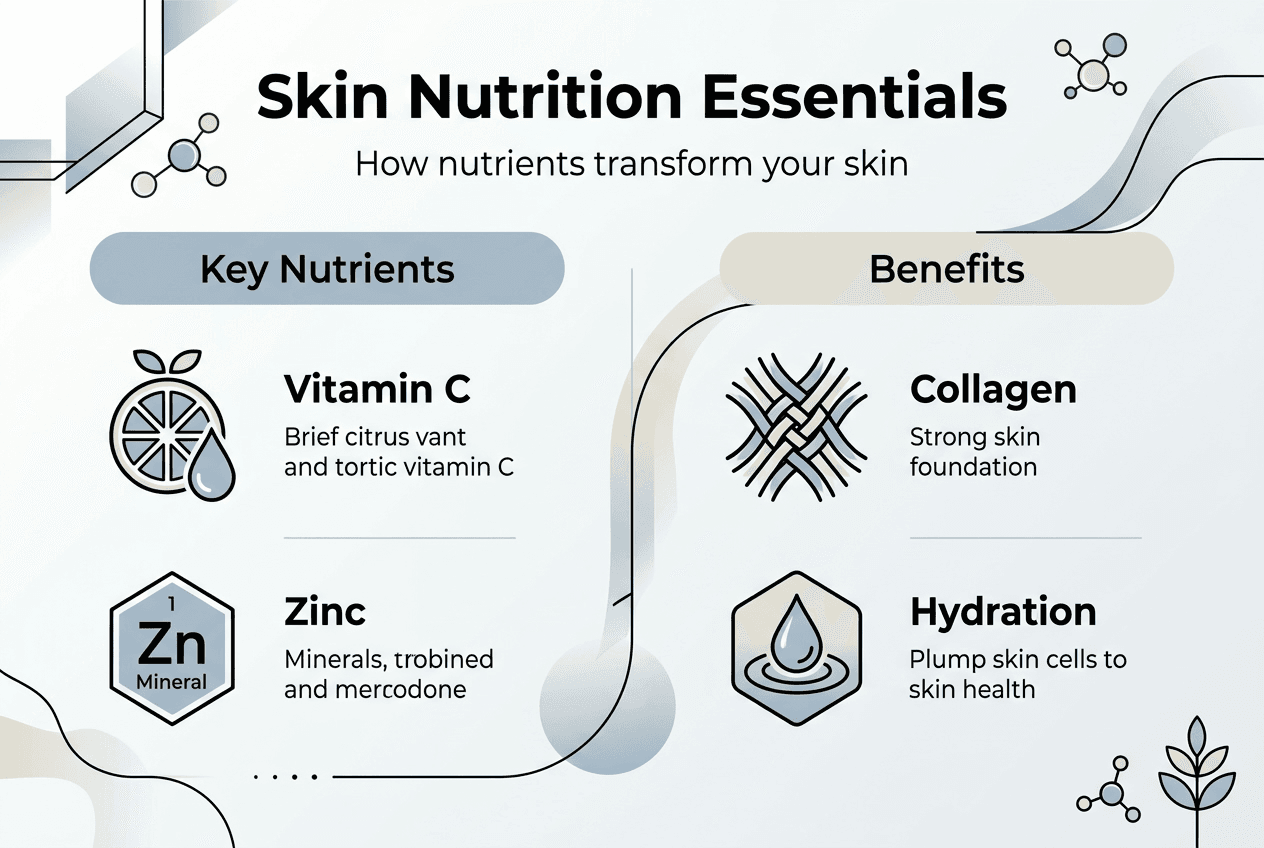
Your skin functions as a living organ that constantly regenerates, requiring specific nutrients to maintain its structure and protective barrier. Skin cells rely on nutrients like vitamins C, E, A, zinc, and omega-3 for collagen synthesis, antioxidation, and repair. Without adequate nutritional support, skin becomes vulnerable to premature ageing, inflammation, and various conditions that compromise its appearance and function.
Vitamin C stands out as a powerhouse nutrient for collagen production, the protein that gives skin its firmness and elasticity. Vitamin E works alongside it, neutralising free radicals that damage skin cells through oxidative stress. Vitamin A accelerates cell turnover, helping your skin shed dead cells and reveal fresh, healthy tissue beneath. These vitamins don’t work in isolation; they create a synergistic effect when consumed together through varied dietary sources.
Minerals play equally crucial roles in skin health. Zinc regulates inflammation, controls sebum production, and accelerates wound healing, making it particularly valuable for those managing acne or skin injuries. Essential fatty acids, particularly omega-3s, maintain the lipid barrier that locks moisture into skin cells and prevents dehydration. This barrier function determines whether your skin appears plump and dewy or dry and flaky.
Pro Tip: Combine vitamin C-rich foods with iron sources like spinach or lentils to enhance iron absorption, which supports healthy blood flow to skin tissues and promotes a natural flush.
The impact of nutrition extends beyond surface-level aesthetics. Poor dietary choices accelerate cellular ageing through glycation, where excess sugar molecules bind to collagen fibres and make them rigid. This process contributes to wrinkles, sagging, and loss of skin resilience. Conversely, antioxidant-rich foods protect against environmental damage from pollution and UV exposure, preserving skin integrity over time.
Skin conditions like eczema, psoriasis, and acne often respond to nutritional interventions. Anti-inflammatory nutrients calm reactive skin, whilst balanced blood sugar levels reduce hormonal fluctuations that trigger breakouts. Understanding these connections empowers you to make dietary choices that address specific skin concerns rather than relying solely on topical treatments.
Key nutrients and their natural dietary sources for glowing skin
Identifying which nutrients benefit skin health represents only half the equation. Knowing where to find these nutrients in whole foods enables you to build a diet that naturally supports radiant skin. The following table outlines essential skin nutrients and their richest natural sources:
| Nutrient | Primary Benefits | Top Food Sources |
|---|---|---|
| Vitamin C | Collagen synthesis, antioxidant protection, wound healing | Oranges, kiwis, strawberries, bell peppers, broccoli |
| Vitamin E | Free radical defence, moisture retention, UV protection | Almonds, sunflower seeds, avocados, spinach, olive oil |
| Vitamin A | Cell renewal, sebum regulation, skin texture improvement | Carrots, sweet potatoes, kale, butternut squash, liver |
| Zinc | Inflammation control, healing acceleration, acne management | Oysters, beef, pumpkin seeds, chickpeas, cashews |
| Omega-3 fatty acids | Barrier function, hydration, anti-inflammatory effects | Salmon, mackerel, sardines, flaxseeds, walnuts |
Vitamin C-rich fruits like oranges and kiwis boost collagen; omega-3 from oily fish maintains skin hydration. These foods deliver nutrients in forms your body recognises and utilises efficiently, often accompanied by complementary compounds that enhance absorption and effectiveness.

Vitamin C deserves particular attention for its multiple skin benefits. Beyond collagen production, it brightens skin tone by inhibiting melanin formation and reducing hyperpigmentation. Water-soluble and heat-sensitive, vitamin C requires fresh consumption of raw or lightly cooked fruits and vegetables. A single kiwi provides more than your daily requirement, whilst bell peppers offer even higher concentrations alongside other beneficial plant compounds.
Vitamin E protects skin cell membranes from oxidative damage, working synergistically with vitamin C to amplify antioxidant effects. Nuts and seeds provide concentrated sources, with just a handful of almonds delivering substantial amounts. Avocados combine vitamin E with healthy monounsaturated fats that support nutrient absorption and skin barrier function. Drizzling extra virgin olive oil over salads provides another excellent source whilst enhancing the bioavailability of fat-soluble vitamins in vegetables.
Vitamin A exists in two forms: preformed retinol from animal sources and provitamin A carotenoids from plant foods. Your body converts beta-carotene from orange and dark green vegetables into active vitamin A as needed. This conversion process prevents toxicity whilst ensuring adequate supply for skin cell differentiation and renewal. Sweet potatoes stand out as exceptionally rich sources, with one medium potato providing several times your daily requirement.
Zinc supports numerous enzymatic processes essential for skin health. Oysters contain more zinc per serving than any other food, though plant-based options like pumpkin seeds and legumes also contribute meaningful amounts. Pairing zinc-rich plant foods with vitamin C sources enhances absorption, as phytates in plants can otherwise inhibit mineral uptake.
Omega-3 fatty acids from oily fish provide EPA and DHA, the most bioavailable forms for skin health. These fats reduce inflammation throughout the body, calming reactive skin and supporting moisture retention. Plant sources like flaxseeds and walnuts offer ALA, which your body partially converts to EPA and DHA, though less efficiently than direct consumption from fish.
Hydration through water consumption underpins all these nutritional efforts. Skin cells require adequate fluid to maintain turgor pressure, the internal water pressure that keeps skin plump and smooth. Dehydration manifests quickly in skin appearance, causing fine lines to become more pronounced and complexion to appear dull. Aim for eight glasses daily, adjusting upward during hot weather or physical activity.
Supplements and hydration: enhancing skin nutrition effectively
Whilst whole foods provide the foundation for skin nutrition, supplements can fill nutrient gaps but should complement, not replace, a balanced diet. Strategic supplementation addresses specific deficiencies or increased nutritional demands that diet alone may not meet. Understanding which supplements offer genuine benefits versus marketing hype helps you make informed choices.
Collagen supplements have surged in popularity, with proponents claiming they reduce wrinkles and improve skin elasticity. Research suggests hydrolysed collagen peptides may stimulate your body’s own collagen production, though results vary individually. These supplements work best when combined with adequate vitamin C intake, which your body requires to synthesise new collagen fibres. Consider collagen as a complementary tool rather than a miracle solution.
Vitamin C supplements provide insurance against dietary shortfalls, particularly during winter months when fresh produce variety diminishes. Buffered forms like calcium ascorbate offer gentler digestion than ascorbic acid, making higher doses more tolerable. Time-release formulations maintain steady blood levels throughout the day, though research suggests regular doses of standard vitamin C work equally well for most people.
Biotin supplements frequently appear in beauty formulations, marketed for hair, skin, and nail health. Whilst biotin deficiency does cause skin problems, true deficiency remains rare in people eating varied diets. Supplementation benefits those with confirmed deficiency but provides minimal advantage for individuals with adequate baseline levels. Excessive biotin can interfere with certain medical tests, so discuss supplementation with your healthcare provider.
Proper hydration improves skin moisture and elasticity significantly. Beyond drinking water, hyaluronic acid supplements support hydration from within. This molecule holds up to 1,000 times its weight in water, helping skin retain moisture and maintain plumpness. Oral hyaluronic acid supplements show promise in research studies, with participants reporting improved skin hydration and reduced fine lines after several weeks of consistent use.
The following table compares common supplement formats for skin nutrition:
| Format | Absorption Rate | Convenience | Best For | | — | — | — | | Capsules | Moderate | High | Travel, precise dosing | | Liquid vitamins | High | Moderate | Quick absorption, flexible dosing | | Powders | High | Low | Customisable doses, mixing into drinks | | Gummies | Low to moderate | Very high | Palatability, routine compliance |
Liquid supplements often provide superior absorption compared to tablets or capsules, particularly for nutrients that require emulsification or have poor bioavailability in solid forms. Hyaluronic acid drinks deliver this hydration-supporting compound in readily absorbable form, bypassing digestive breakdown that can reduce effectiveness.
Pro Tip: Take fat-soluble vitamins like A and E with meals containing healthy fats to maximise absorption, whilst water-soluble vitamins like C work best on an empty stomach or with light snacks.
Timing your supplement intake optimises their effectiveness. Fat-soluble vitamins require dietary fat for absorption, so consuming them with meals improves uptake. Water-soluble vitamins like C and B-complex absorb well any time but may cause mild stomach upset on empty stomachs in sensitive individuals. Spreading doses throughout the day maintains steadier blood levels than single large doses.
Avoid common supplementation mistakes that undermine results. More doesn’t always mean better; excessive doses of certain vitamins can cause imbalances or adverse effects. Fat-soluble vitamins accumulate in body tissues, making toxicity possible with chronic overconsumption. Always follow recommended dosages unless a healthcare provider advises otherwise based on specific deficiencies or health conditions.
Quality matters significantly in supplement selection. Choose products from reputable manufacturers who conduct third-party testing and provide transparent ingredient sourcing. Supplements from established brands typically undergo stricter quality controls than unknown products, ensuring you receive the nutrients listed on labels without contaminants or fillers.
Practical skin nutrition tips for daily life and holistic wellness
Translating nutritional knowledge into consistent daily habits determines whether you achieve lasting skin improvements. A balanced diet, hydration, and consistent skincare produce the best long-term skin results. The following strategies help you integrate skin nutrition principles into your lifestyle sustainably.
Daily meal planning for skin health:
- Start mornings with antioxidant-rich berries and nuts, providing vitamin C, E, and healthy fats that protect skin throughout the day.
- Include colourful vegetables at lunch and dinner, ensuring diverse phytonutrients that support various aspects of skin function.
- Incorporate oily fish twice weekly for omega-3 fatty acids, alternating with plant-based protein sources rich in zinc and other minerals.
- Snack on raw vegetables, fruits, and seeds rather than processed foods that spike blood sugar and promote inflammation.
- Prepare meals using gentle cooking methods like steaming or light sautéing to preserve heat-sensitive nutrients.
Nutrient timing and combination strategies enhance absorption and utilisation. Pair iron-rich plant foods with vitamin C sources to boost iron uptake, supporting healthy blood flow to skin tissues. Consume healthy fats alongside carotenoid-rich vegetables to improve vitamin A absorption. These simple combinations maximise the nutritional value of every meal without requiring complex planning.
Hydration requires conscious effort for many people who don’t feel thirsty regularly. Set hourly reminders to drink water, keeping a reusable bottle visible throughout the day. Herbal teas count towards fluid intake whilst providing additional antioxidants. Eat water-rich foods like cucumbers, watermelon, and lettuce, which contribute to overall hydration alongside pure water consumption.
External skincare practices complement internal nutrition, creating comprehensive skin support. Natural skin care products with minimal synthetic ingredients work synergistically with nutritional efforts, avoiding harsh chemicals that can disrupt skin barrier function. Gentle cleansing, regular moisturising, and sun protection preserve the benefits your diet provides.
Lifestyle factors beyond diet significantly impact skin health:
- Sleep seven to nine hours nightly, allowing skin cells time to repair and regenerate during deep sleep phases.
- Manage stress through meditation, exercise, or hobbies, as chronic stress triggers cortisol release that breaks down collagen.
- Avoid smoking and limit alcohol consumption, both of which dehydrate skin and accelerate ageing through oxidative damage.
- Exercise regularly to improve circulation, delivering nutrients and oxygen to skin cells whilst removing metabolic waste.
- Protect skin from excessive sun exposure using broad-spectrum SPF, preventing UV damage that undermines nutritional benefits.
Consistency matters more than perfection in skin nutrition. Small daily improvements compound over weeks and months, producing visible results that sporadic intensive efforts cannot match. Focus on sustainable habits you can maintain long-term rather than restrictive approaches that prove difficult to sustain.
Track your progress through photos taken in consistent lighting every few weeks. Skin improvements occur gradually, making day-to-day changes difficult to notice. Photographic records reveal subtle enhancements in texture, tone, and radiance that motivate continued commitment to nutritional strategies.
Address specific skin concerns through targeted nutritional adjustments. Acne-prone skin often benefits from reducing dairy and high-glycaemic foods whilst increasing anti-inflammatory omega-3s and zinc. Dry skin responds to increased healthy fat consumption and hydration. Hyperpigmentation improves with consistent vitamin C intake and antioxidant-rich foods that inhibit excess melanin production.
Seasonal adjustments keep your skin nutrition approach relevant year-round. Winter months may require increased vitamin D supplementation due to reduced sun exposure, whilst summer demands higher water intake and antioxidant consumption to combat UV-induced oxidative stress. Adapt your diet to include seasonal produce at peak nutrient density, supporting both skin health and environmental sustainability.
Explore leading skin nutrition products and wellness kits
Your journey towards radiant skin through nutrition becomes easier with targeted support from quality products designed to complement your dietary efforts. Oxyhealth specialises in natural health solutions that align perfectly with holistic skin nutrition principles, offering premium skin care and nutritional supplements formulated to work synergistically with whole food nutrition.
The carefully curated product range combines scientifically-backed ingredients with natural formulations, avoiding synthetic additives that can undermine your wellness goals. From targeted supplements that fill specific nutritional gaps to comprehensive wellness kits and cleanse programmes that support whole-body detoxification, you’ll find solutions tailored to your skin nutrition needs. Each product undergoes rigorous quality testing, ensuring you receive genuine, effective support for achieving the glowing, healthy skin you deserve through natural means.
Frequently asked questions
What are the most important nutrients for healthy skin?
Vitamins C, E, and A top the list for skin health, supporting collagen production, antioxidant protection, and cellular renewal respectively. Zinc controls inflammation and accelerates healing, whilst omega-3 fatty acids maintain skin barrier integrity and hydration. These nutrients work synergistically, so consuming a variety of sources produces better results than focusing on single nutrients.
Can supplements replace a healthy diet for skin nutrition?
Supplements cannot replicate the complex nutritional profile of whole foods, which contain fibre, phytonutrients, and complementary compounds that enhance nutrient absorption and utilisation. They serve best as targeted support for specific deficiencies or increased needs rather than primary nutrition sources. Prioritise a varied, nutrient-dense diet and use supplements strategically to address gaps.
How much water should I drink daily for optimal skin hydration?
Aim for approximately eight 250ml glasses daily as a baseline, adjusting upward based on activity level, climate, and individual needs. Your urine colour provides a reliable hydration indicator; pale yellow suggests adequate hydration, whilst dark yellow indicates you need more fluids. Water-rich foods like cucumbers and watermelon contribute to overall hydration alongside pure water consumption.
How long before I see skin improvements from better nutrition?
Skin cell turnover occurs approximately every 28 days, meaning noticeable improvements typically emerge after four to six weeks of consistent nutritional changes. Deeper changes in collagen structure and overall skin health develop over three to six months. Patience and consistency prove essential, as sporadic efforts produce minimal visible results compared to sustained nutritional improvements.
Do natural skin care products work better with good nutrition?
Natural skin care products and proper nutrition create synergistic effects, with internal nourishment supporting skin structure whilst external products protect and enhance the barrier function. Quality natural products avoid harsh chemicals that can disrupt skin health, allowing nutritional benefits to manifest more effectively. This inside-out and outside-in approach produces superior results compared to either strategy alone.