
How to reduce toxins: practical methods that work
TL;DR:
- Most people are exposed to numerous synthetic chemicals daily, but supporting detoxification involves simple, evidence-based lifestyle changes. Prioritizing hydration, a plant-rich diet high in fiber, regular exercise, and reducing plastic and chemical exposure significantly enhance your body’s natural ability to eliminate toxins. Consistent sleep and cautious use of supplements or cleanses are crucial, while gradual, sustainable adjustments outperform quick detox fads.
Most people are exposed to dozens of synthetic chemicals every day, from the packaging around their food to the cleaning spray in their kitchen. Knowing how to reduce toxins in your daily life does not require expensive juice cleanses or complicated supplement regimes. Your body already has the tools to do this work. The goal is to stop loading it with unnecessary chemicals while actively supporting the organs that handle detoxification. This guide focuses on evidence-backed, sustainable ways to achieve exactly that.
Table of Contents
- Key takeaways
- How to reduce toxins by working with your body
- Dietary changes that support natural detox
- Reducing environmental toxin exposure at home
- Lifestyle habits that enhance natural detoxification
- My perspective on detox myths and sustainable change
- Support your detox journey with Oxyhealth
- FAQ
Key takeaways
| Point | Details |
|---|---|
| Support your organs first | The liver, kidneys, and lungs continuously filter toxins; your job is to support them, not override them. |
| Diet is your biggest lever | Increasing fibre and cutting ultra-processed foods produces measurable benefits for your body’s natural clearance systems. |
| Plastics exposure is reducible | A seven-day low-plastic change can lower key chemical metabolites in your body by up to 60%. |
| Sleep and exercise matter | Adequate sleep clears brain toxins; regular moderate exercise improves liver and kidney function directly. |
| Avoid harsh cleanses | Long fasts and aggressive detox supplements can cause dehydration and increase your risk of kidney stones. |
How to reduce toxins by working with your body
The term “detox” gets misused constantly in wellness marketing, but the science behind it is straightforward. Your body performs continuous detoxification through four main systems: the liver, kidneys, lungs, and digestive tract. Understanding how these work is the foundation of any effective, natural detox method.
The liver processes everything you eat, drink, and absorb through your skin, converting harmful substances into water-soluble waste products that can be excreted. Your kidneys then filter that waste out of the blood and into urine. The lungs expel gaseous toxins with every breath, and the digestive tract physically removes waste matter before it can be reabsorbed. These organs are not clogged pipes that need flushing. They are continuously functioning systems that work best when you give them consistent, practical support.
Here is what that support looks like in practice:
- Hydrate properly. Drinking roughly 1.5 to 1.8 litres per day supports kidney function and reduces the risk of kidney stones forming from concentrated waste.
- Exercise regularly. Aerobic and resistance training boosts blood flow to detoxification organs, reduces liver fat, and improves overall toxin clearance.
- Protect your lungs. Avoiding cigarettes and secondhand smoke is one of the most direct ways to reduce lung toxin burden and preserve the lungs’ self-cleaning capacity.
- Support gut motility. Regular bowel movements physically remove waste. Fibre, hydration, and movement all contribute.
Pro Tip: If you want to understand the full science behind how your body handles this process, the Oxyhealth natural detoxification guide is worth reading alongside this article.
Dietary changes that support natural detox
Food is the most powerful tool most people underuse when it comes to reducing their body’s toxin load. The way you eat shapes both how many toxins you introduce and how efficiently your body can clear them.
Filling roughly two-thirds of your plate with plant-based foods while limiting ultra-processed items and added sugars is the baseline. This is not a radical intervention. It is simply the eating pattern that gives your liver and gut the nutrients they need without overwhelming them with additives, preservatives, and artificial compounds.
Fibre deserves special attention. It binds to toxic ions including lead and arsenic in the gut, preventing reabsorption and aiding excretion through the digestive tract. Beyond heavy metals, fibre also reduces gut inflammation and feeds the beneficial bacteria that assist in metabolising waste products. High-fibre foods to prioritise include:
- Oats, barley, and rye
- Lentils, chickpeas, and black beans
- Broccoli, carrots, and sweet potato
- Flaxseeds and chia seeds
- Apples, pears, and berries
Alcohol is worth addressing directly. The liver prioritises alcohol metabolism above almost everything else, meaning that regular drinking leaves a backlog of other compounds waiting to be processed. Excess body fat compounds this further by physically impairing liver function. Managing both is not optional if you are serious about reducing your body’s chemical burden.
Antioxidants play a complementary role by neutralising free radicals produced during the detoxification process itself. Dark leafy greens, berries, green tea, and turmeric are practical, accessible sources.
Pro Tip: Rather than adding a detox supplement, try swapping one ultra-processed food item per day for a whole food alternative. The cumulative effect over a month is far greater than any short-term cleanse.
Reducing environmental toxin exposure at home
Dietary change addresses what goes in through food. But a significant source of chemical exposure comes from your surroundings: the plastics in your kitchen, the personal care products in your bathroom, and the cleaning agents under your sink.

The most compelling recent evidence comes from the PERTH Trial, which found that a seven-day low-plastic intervention reduced urinary plastic-associated chemical metabolites by between 37.5% and 60%. Specific reductions were seen in phthalate metabolites and bisphenol A (BPA), chemicals linked to hormonal disruption. That kind of measurable reduction from a week of simple behaviour changes is significant.
Here is a practical comparison of common household swaps:
| High-exposure habit | Lower-exposure alternative |
|---|---|
| Heating food in plastic containers | Using glass or ceramic dishes in the microwave |
| Buying bottled water in single-use plastic | Using a glass or stainless steel bottle with filtered tap water |
| Conventional scented cleaning sprays | Unscented or plant-based cleaning products |
| Synthetic fragrance personal care products | Fragrance-free or natural ingredient alternatives |
| Non-stick cookware with damaged coating | Stainless steel, cast iron, or ceramic cookware |
Beyond plastics, indoor air quality is often overlooked. Synthetic air fresheners, scented candles with paraffin, and conventional paints release volatile organic compounds (VOCs) into the air you breathe every day. Opening windows, using indoor plants, and choosing low-VOC products all contribute meaningfully to reducing chemical exposure in your home.
- Switch to fragrance-free personal care products where possible
- Store food in glass containers rather than plastic bags or tubs
- Ventilate your home daily, even briefly in colder months
- Choose natural fibre furnishings over heavily treated synthetic materials
Lifestyle habits that enhance natural detoxification
Diet and exposure reduction are the two biggest levers. But several daily habits either support or actively undermine your body’s ability to process and eliminate toxins, and they are worth knowing precisely.
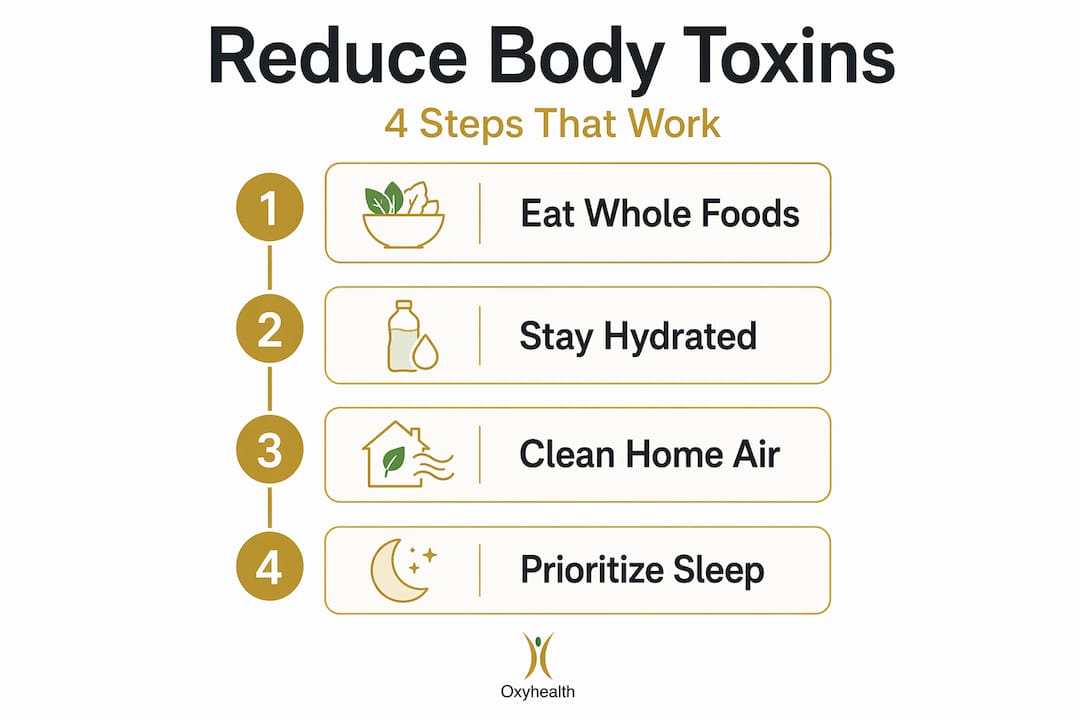
Sleep is non-negotiable. During sleep, cerebrospinal fluid circulates through the brain, clearing metabolic waste products that accumulate during waking hours. Sleep deprivation impairs this process and compromises the blood-brain barrier. Seven to nine hours of consistent sleep is not a luxury for detoxification. It is a biological requirement.
Exercise matters beyond weight management. Even moderate activity, such as a 30-minute brisk walk four or five times per week, increases circulation to the liver and kidneys, reduces fatty liver accumulation, and supports lymphatic drainage. Think of movement as your body’s internal transport system, getting waste products to where they can be processed and excreted.
Then there is what to avoid. Many people searching for ways to detoxify end up reaching for aggressive commercial cleanses, long fasting protocols, or high-dose herbal supplements marketed for kidney or liver support.
“Long fasts and high oxalate cleanses may cause dehydration and increase kidney stone risk.” — Cleveland Clinic
Most detox diets and supplements are medically unnecessary. Some are harmful. If you want to support your detox organs safely, the evidence consistently points back to balance: hydration, nutrition, movement, and sleep. These are the best detox practices available, and none of them cost a premium.
Medication management is also part of this picture. Many common over-the-counter drugs, including high-dose paracetamol and non-steroidal anti-inflammatory drugs taken regularly, place significant strain on the liver and kidneys. Using medications only as directed and discussing long-term use with your GP both matter here.
My perspective on detox myths and sustainable change
I have spent years reading the research on detoxification and watching people cycle through juice cleanses, herbal flushes, and expensive supplement protocols with disappointing results. What strikes me most is how the wellness industry has convinced people that their body is fundamentally broken and needs external products to fix it.
In my experience, the people who genuinely improve their health and lower their toxin burden are not the ones who do a three-day cleanse every January. They are the ones who quietly swap plastic food containers for glass, increase their vegetable intake, walk more, and sleep consistently. No drama. No crash. Just measurable, sustained improvement.
The most effective detox approach I have seen follows a clear sequence: reduce your exposure first, then support your body’s excretion pathways, then optimise your nutrition. That sequence matters. Trying to flush out toxins while continuing to load your body with the same sources is like mopping the floor with the tap still running.
What I find genuinely encouraging is how quickly the body responds to these changes. The PERTH Trial data showing 60% reductions in plastic metabolites within a week is remarkable. Your body wants to clear these compounds. You just have to stop adding them faster than it can cope. If you want to go deeper on supporting liver health specifically, that is the place I would start.
— John
Support your detox journey with Oxyhealth
If you have made meaningful dietary and lifestyle changes and want to complement them with targeted nutritional support, Oxyhealth offers a carefully curated range of natural supplements and wellness kits sourced from Global Healing, a provider known for organic, evidence-aligned formulations.
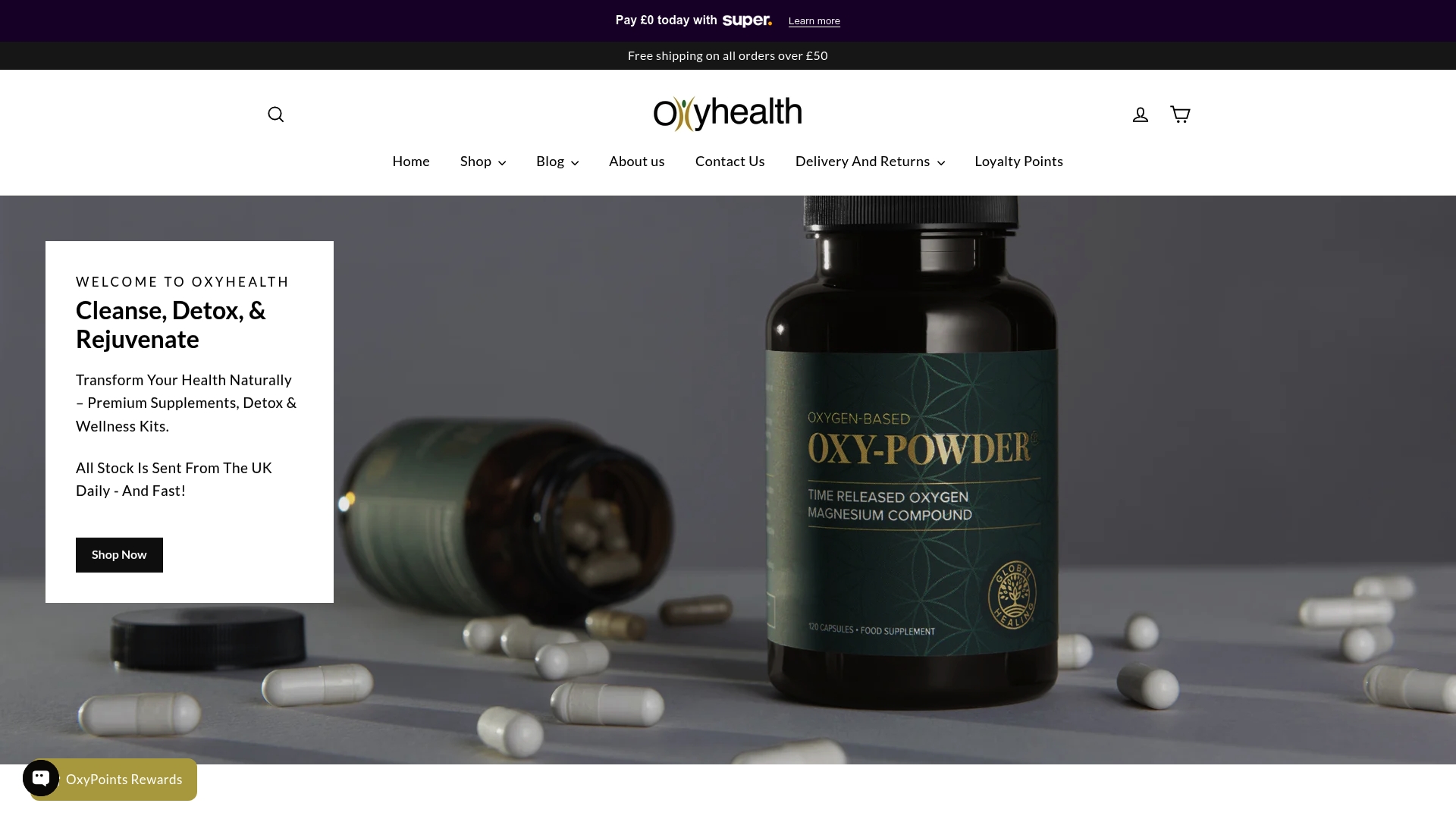
Oxyhealth’s detox and cleanse range includes products designed to support the liver, gut, and colon gently, without harsh purging or extreme protocols. Their health kits and cleanse programmes bring together complementary supplements in a structured format, making it easier to address multiple systems at once. All orders over £50 qualify for free UK delivery, with same-day dispatch for orders placed before 2 p.m. Oxyhealth also backs every purchase with a 365-day satisfaction guarantee, so there is no risk in trying something new.
FAQ
What does the body naturally use to remove toxins?
The liver, kidneys, lungs, and digestive tract handle toxin removal continuously. No external cleanse is needed for healthy individuals; the goal is to support these organs through diet, hydration, and lifestyle.
How quickly can you reduce toxins in your body?
Changes can be measurable within days. Research from the PERTH Trial found that a seven-day low-plastic intervention reduced urinary plastic-associated chemical metabolites by up to 60%.
Are detox cleanses and juice fasts effective?
Most commercial detox cleanses lack scientific evidence and some carry genuine risks. Long fasts and high-oxalate protocols can cause dehydration and increase kidney stone risk, according to the Cleveland Clinic.
What foods help reduce toxins naturally?
High-fibre foods including lentils, oats, broccoli, and flaxseeds help bind and excrete toxins. Antioxidant-rich foods such as berries, leafy greens, and green tea support the neutralisation of free radicals produced during the detox process.
How does sleep affect toxin clearance?
Sleep enables cerebrospinal fluid to circulate through the brain and clear metabolic waste. Sleep deprivation impairs this pathway and compromises the blood-brain barrier, making consistent sleep one of the most underrated detox lifestyle habits available.