
Cleansing tips for 2026: what actually works
TL;DR:
- Effective cleansing in 2026 focuses on supporting the body’s natural detoxification systems through daily habits like hydration, fibre intake, good sleep, and gentle skincare. It emphasizes reframing cleansing as support rather than detoxification, prioritizing evidence-based practices such as hydration, diet, movement, and proper nasal and skincare routines. Commercial detox products and invasive procedures are largely unnecessary, with sustainable habits being the safest, most effective approach.
Effective cleansing in 2026 is defined by supporting the body’s natural detoxification systems through daily habits, not by harsh detox diets or unproven products. The liver, kidneys, and gut detoxify continuously without needing supplements to accelerate the process. What does make a measurable difference is a consistent combination of hydration, dietary fibre, gentle skincare, and targeted practices like jal neti nasal cleansing. These cleansing tips for 2026 cut through the marketing noise and focus on what clinical evidence actually supports.
1. Reframe what cleansing means in 2026
Cleansing, in the clinical sense, refers to supporting the body’s existing detoxification pathways rather than flushing out vague “toxins.” The Mayo Clinic confirms that detox programmes are unnecessary for generally healthy adults because the liver and kidneys perform this work around the clock. This matters because billions of pounds are spent annually on products that make promises the body already keeps on its own. The most effective detox strategies 2026 has to offer are built on this understanding.
Reframing cleansing as support rather than purging changes which habits you prioritise. Instead of a three-day juice fast, you focus on consistent hydration, fibre-rich meals, and adequate sleep. These are the foundations every other tip in this list builds upon.
2. Prioritise hydration as your primary detox tool
Water is the single most underrated cleansing tool available. The kidneys filter approximately 200 litres of blood daily, and adequate fluid intake is what allows them to excrete waste products efficiently. Without sufficient hydration, waste accumulates rather than being eliminated.
Aim for 1.5 to 2 litres of water per day as a baseline, adjusting upward for exercise, heat, or illness. Herbal teas such as dandelion root or nettle count towards your fluid intake and offer additional liver-supportive compounds. Avoid relying on caffeinated drinks as your primary source, since caffeine has a mild diuretic effect that can offset hydration gains.
Pro Tip: Start each morning with 500ml of water before coffee or food. This single habit supports kidney filtration from the moment you wake and costs nothing.
3. Build your diet around fibre for gut and liver health
Dietary fibre is the backbone of any credible cleansing routine for wellness. Fibre binds to waste products and bile acids in the gut, preventing their reabsorption and accelerating their elimination. Medical guidance recommends 28 to 35 grams of fibre daily to regulate bowel movements and support gut health. Most UK adults consume roughly half that amount, which means the gap between current intake and optimal intake is significant.
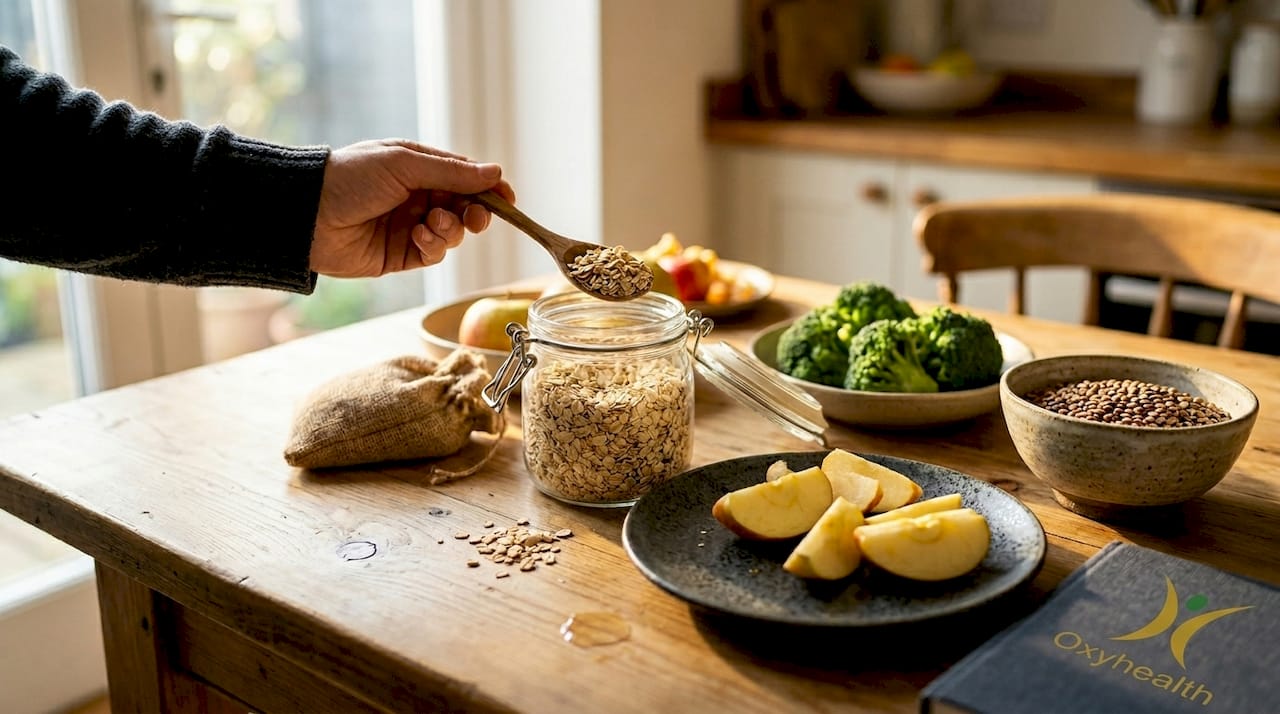
Practical sources include oats, lentils, chickpeas, flaxseed, broccoli, and apples. Variety matters as much as quantity, since different fibre types feed different beneficial bacteria. Pairing fibre intake with adequate water prevents the bloating and constipation that can occur when fibre increases without corresponding hydration.
4. Move your body to support circulation and digestion
Physical activity supports cleansing through two distinct mechanisms. First, it improves circulation, which accelerates the delivery of metabolic waste to the liver and kidneys for processing. Second, it stimulates peristalsis, the muscular contractions that move waste through the digestive tract.
You do not need intense exercise to benefit. A 30-minute brisk walk five times per week is sufficient to meaningfully improve both circulation and gut motility. Yoga, swimming, and cycling each offer comparable benefits. The key variable is consistency rather than intensity. Sedentary periods longer than 90 minutes slow digestion noticeably, so breaking up desk time with short movement breaks is a practical clean eating tip for 2026 that requires no gym membership.
5. Protect sleep as a non-negotiable cleansing habit
Sleep is when the brain and body conduct their most intensive repair and waste-clearance processes. The glymphatic system, a network of channels in the brain, clears metabolic waste almost exclusively during deep sleep. Cutting sleep short does not just leave you tired. It leaves cellular waste products circulating that would otherwise have been cleared.
Seven to nine hours of sleep per night is the evidence-based target for adults. Prioritising sleep hygiene, which includes a consistent bedtime, a cool dark room, and limiting screen exposure in the hour before bed, produces measurable improvements in energy, skin clarity, and digestive regularity. These are the same outcomes people spend money on detox products to achieve.
6. Safe colon cleansing alternatives that actually work
Colonics are frequently marketed as the gold standard of gut cleansing, but the clinical picture is more complicated. Colonics involve up to 60 litres of liquid infused into the colon under pressure, carrying real risks including electrolyte imbalance, microbiome disruption, dehydration, and in rare cases colon injury. For older adults, these risks are amplified further.
The evidence-based alternatives are less dramatic but far more effective over time:
- Increase dietary fibre to 28 to 35 grams daily through whole foods
- Drink at least 1.5 litres of water to support bowel regularity
- Add fermented foods such as yogurt, kefir, or kimchi to support gut microbiome balance
- Consider a high-quality probiotic supplement if fermented foods are not part of your regular diet
- Consult a GP if constipation persists beyond two weeks, as this may indicate an underlying condition requiring medical attention
The role of probiotics in detox is well documented. Beneficial bacteria reduce inflammation, improve nutrient absorption, and contribute to more regular elimination without any of the risks associated with invasive procedures.
7. Build a gentle skincare cleansing routine
Skincare cleansing is a natural cleansing practice that directly affects barrier health, yet most people either over-cleanse or use products mismatched to their skin type. 2026 clinical guidance from Geisinger advises washing the face twice daily with lukewarm water and a cleanser suited to your skin type. Hot water strips the skin’s natural oils and triggers compensatory oil production, worsening the very problems it is meant to solve.
Follow this sequence for a clinically sound routine:
- Choose your cleanser by skin type: gel or foaming for oily skin, lotion or cream for dry or sensitive skin
- Use lukewarm water and gentle circular motions. Never scrub
- Pat dry with a clean towel rather than rubbing
- Apply a toner if desired, then moisturiser while skin is still slightly damp
- Use SPF 30 or higher every morning as the final step
Visible improvements for acne or anti-ageing concerns take 6 to 12 weeks of consistent practice. Switching products every few weeks resets the clock and prevents you from ever seeing results.
Pro Tip: If you wear makeup, a double cleanse at night using a micellar water or cleansing balm first, followed by your regular cleanser, removes residue that a single wash leaves behind.
For those looking to complement their routine, Oxyhealth’s natural skin detoxification guide covers how targeted supplements can support skin health from the inside out.
8. Try jal neti for nasal cleansing and sinus health
Jal neti is a traditional Ayurvedic nasal cleansing technique that has gained clinical validation as a safe and effective method for sinus relief. Clinical trials show that regular practitioners experience 70% fewer sinus infections and a 60% reduction in medication reliance. These are not trivial outcomes for anyone who suffers from seasonal allergies or chronic congestion.
The preparation and procedure are straightforward:
- Dissolve 1/4 teaspoon of non-iodised salt into one cup of boiled and cooled water
- Use a neti pot or nasal rinse bottle to pour the solution into one nostril
- Tilt your head so the water flows out of the opposite nostril
- Breathe through your mouth throughout the process
- Gently blow your nose after rinsing each side
Safety is entirely dependent on water quality. Tap water must never be used for nasal rinsing due to the risk of introducing harmful microorganisms. Always use boiled and cooled water or sterile saline. Do not perform jal neti if you have an active nosebleed or ear infection, and stop immediately if water enters your ears during the process.
9. Detox myths versus evidence-based methods: a clear comparison
Understanding which popular detox practices are supported by evidence and which are not is central to how to cleanse effectively in 2026.
| Practice | Claimed benefit | Evidence | Risk level |
|---|---|---|---|
| Detox teas | Toxin removal | No evidence; often contain laxatives or diuretics | Moderate: dehydration, electrolyte imbalance |
| Juice cleanses | Gut reset, weight loss | No clinical support for toxin removal | Low to moderate: nutrient deficiency if prolonged |
| Colonics | Colon cleansing | No proven benefit over fibre and hydration | High: microbiome disruption, injury risk |
| Hydration and fibre | Gut and kidney support | Strong clinical evidence | Very low |
| Sleep and movement | Systemic waste clearance | Strong clinical evidence | None |
Detox product marketing frequently misleads by not specifying which toxins are removed. Increased bowel movements or urination from laxative-containing teas reflect changes in stool frequency, not actual toxin removal. Medical detoxification, such as treatment for alcohol or drug dependency, is a distinct clinical process that bears no resemblance to commercial detox products.
Key takeaways
Effective cleansing in 2026 requires consistent daily habits that support the liver, kidneys, gut, and skin rather than short-term interventions that promise rapid results.
| Point | Details |
|---|---|
| Reframe cleansing as support | The liver and kidneys detoxify continuously; your role is to support, not override, these systems. |
| Fibre and hydration over colonics | 28 to 35 grams of fibre daily and adequate water are safer and more effective than invasive colon procedures. |
| Skincare needs consistency | Visible improvements from a gentle cleansing routine take 6 to 12 weeks; switching products resets progress. |
| Jal neti requires safe water | Always use boiled and cooled water for nasal rinsing. Tap water carries genuine infection risk. |
| Detox teas do not remove toxins | Products containing laxatives increase elimination frequency but do not accelerate the body’s detox pathways. |
Why I think most people are cleansing backwards
After years of reading the research and watching wellness trends cycle through the same promises, my honest view is this: most people approach cleansing from entirely the wrong direction. They look for something to add, usually a product, a programme, or a procedure, when the real work is about removing obstacles to what the body already does brilliantly.
The liver does not need a supplement to function. It needs you to stop overloading it with alcohol, ultra-processed foods, and chronic sleep deprivation. The gut does not need a colonic. It needs fibre, water, and a diverse diet. The skin does not need a ten-step routine. It needs gentle, consistent cleansing and sun protection.
What I find genuinely useful, and what I recommend to anyone asking, is starting with the basics for a full month before adding anything else. Drink your water. Eat your vegetables. Sleep properly. Move daily. After 30 days, most people report better energy, clearer skin, and improved digestion without spending a penny on supplements. That is not a coincidence. It is the body doing exactly what it is designed to do when you stop getting in its way.
The gentle detox trends for 2026 reflect this shift in thinking. The wellness community is moving away from dramatic cleanses and towards sustainable, evidence-based habits. That is a change worth paying attention to.
— John
Support your cleansing routine with the right products
If you have built your daily habits and want to add targeted support, Oxyhealth stocks a carefully selected range of natural supplements and cleanse programmes designed to complement, not replace, the lifestyle foundations covered in this article.
From cleanse and detox supplements that support liver and gut function to natural health kits that bring together everything you need in one programme, every product is sourced from Global Healing and dispatched from the UK with same-day shipping on orders placed before 2 p.m. Free delivery applies on orders over £50, and all purchases are covered by Oxyhealth’s 365-day satisfaction guarantee. Browse the full range and find the right support for your 2026 wellness goals.
FAQ
Does the body need help to detox?
No. The liver, kidneys, and gut detoxify continuously in healthy adults without supplementation. Supporting these organs through hydration, fibre, sleep, and movement is the most effective approach.
Are detox teas safe to use regularly?
Most detox teas contain laxatives or diuretics that increase elimination frequency but do not remove toxins. Frequent use can cause dehydration, electrolyte imbalance, and disrupted digestion.
How often should I cleanse my skin?
Twice daily, morning and night, using a gentle cleanser suited to your skin type and lukewarm water. Consistent routines produce visible results within 6 to 12 weeks.
Is jal neti safe for everyday use?
Yes, when performed correctly with boiled and cooled non-tap water and the correct salt concentration. Avoid it during active nosebleeds or ear infections, and stop if water enters the ears.
What is the safest way to support colon health?
Eating 28 to 35 grams of fibre daily, drinking adequate water, and consuming probiotic-rich fermented foods are the safest and most evidence-based methods. Colonics carry significant risks and are not recommended as a routine practice.